Cyprus: Where Houses Rise Faster Than Apartments
Cyprus’s homes are living differently: houses are appreciating faster than apartments and regional pockets diverge—use local indices and neighbourhood rhythm to match lifestyle to price trends.
Imagine waking to a baker on Ledra Street, then swapping the city hum for a short drive to a quiet coastal bay in Paphos. Cyprus feels small enough to know your café owner and large enough to hide neighbourhoods where prices move differently. For buyers who want both sunlit weekends and data‑backed decisions, understanding Cyprus’s price rhythms—where houses are outpacing apartments, and regional pockets diverge sharply—turns daydreams into confident offers.
Living the Cyprus lifestyle
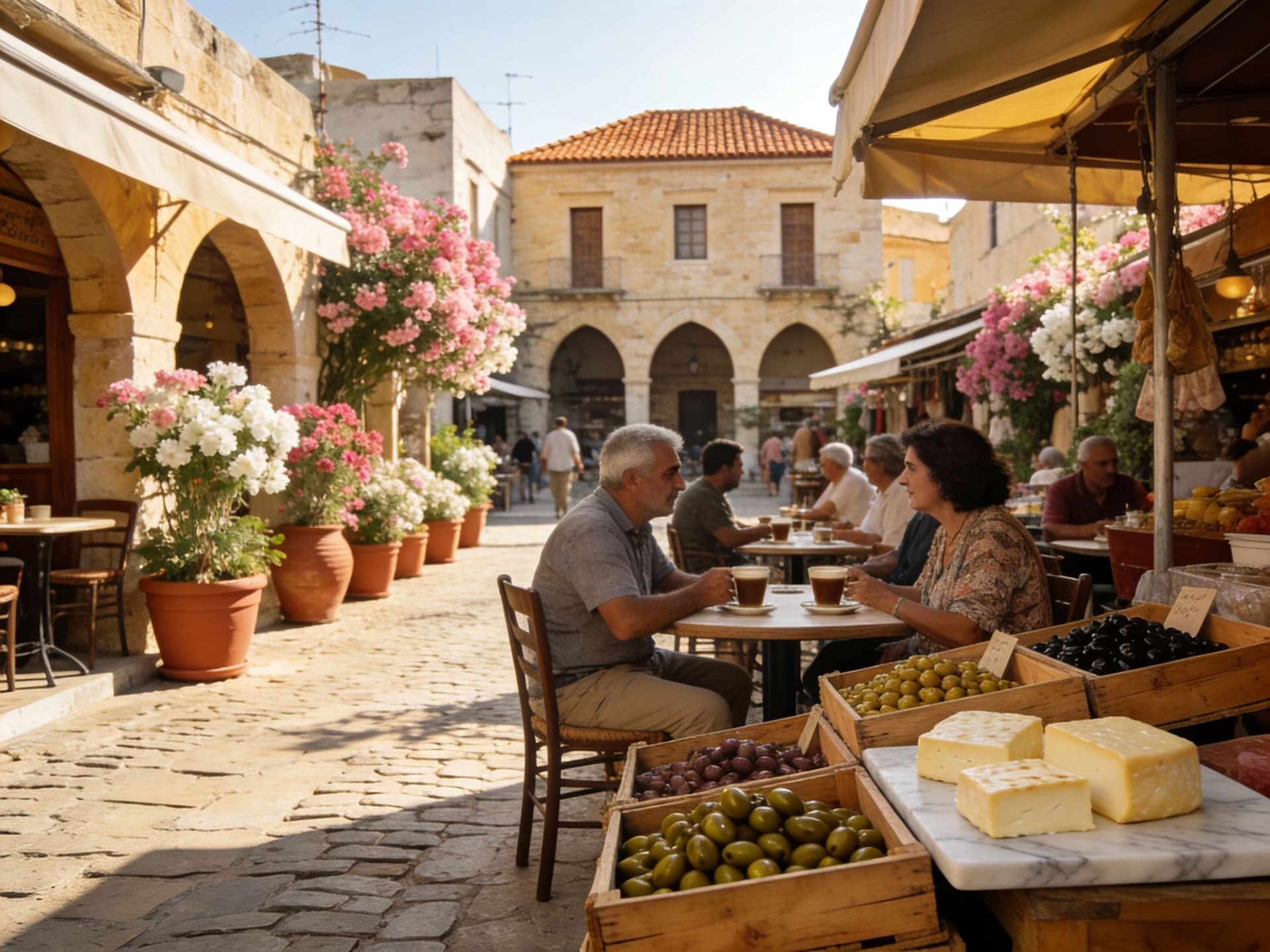
Cyprus is a patchwork of everyday rituals: sea swims at 07:00, slow lunches of halloumi and sherry at 14:00, and neighbourhood squares that come alive after sundown. Cities like Limassol pulse with marinas and new developments; Larnaca keeps a quieter, working‑harbour rhythm; Nicosia is reshaped by cafés and creative co‑working; and Paphos blends coastal leisure with old town lanes. That rhythm shapes what you buy—terraces for summer evenings, thick‑walled homes in the Troodos for winter comfort, or compact apartments for a pied‑à‑terre near a harbour.
Neighbourhood spotlight: Limassol’s Old Port to Germasogeia
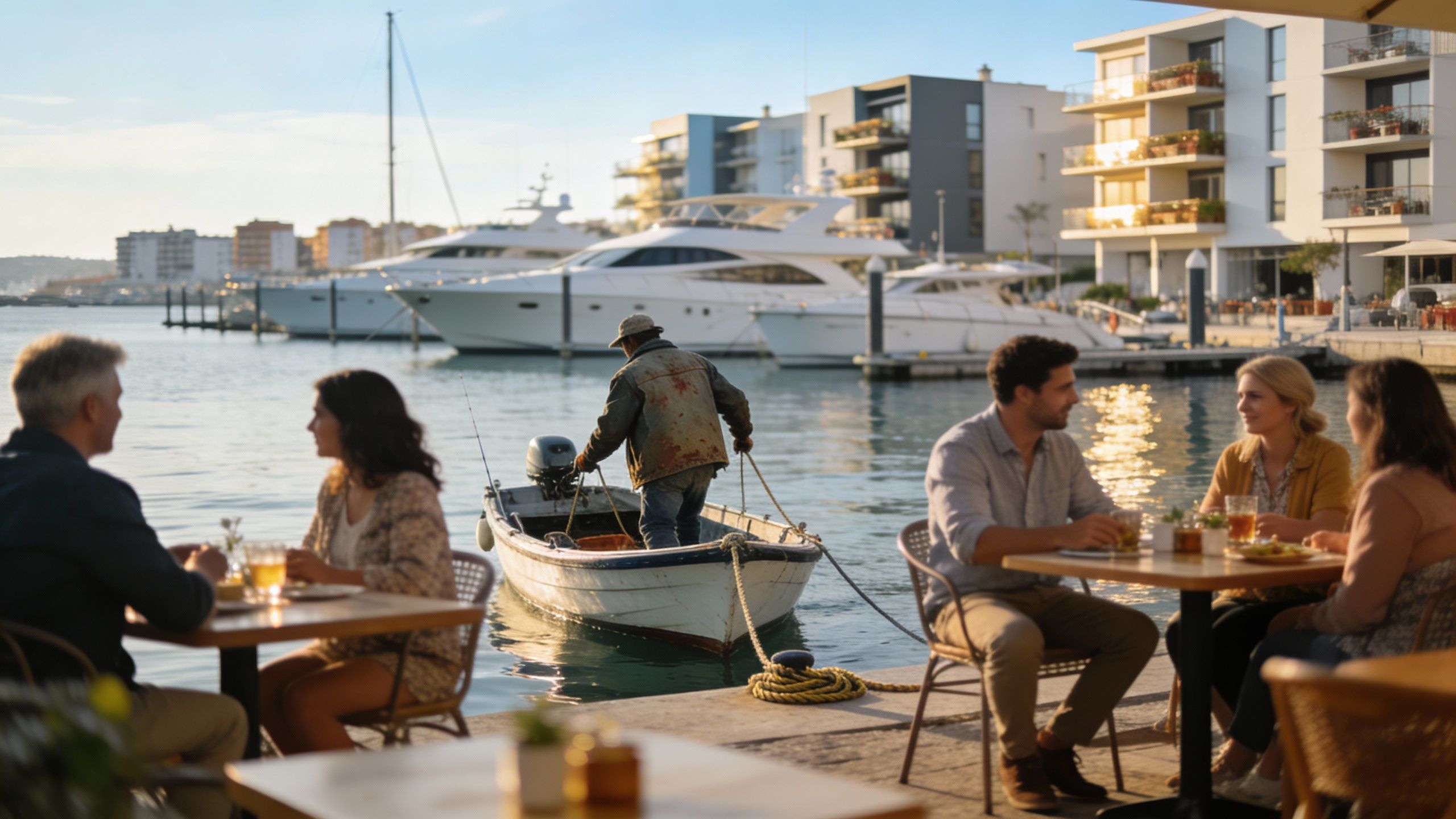
Walk the Old Port at dawn to see fishermen mend nets, then cross to Germasogeia where new apartments sit beside family homes. Limassol’s demand stems from a mix of international buyers, corporate relocations, and lifestyle seekers. That mix supports rental yields near the marina but also creates premium pricing for seafront plots—useful to know when comparing m2 in central Limassol versus adjacent suburbs.
Food, markets and seaside days
Saturdays mean fresh fish at Limassol Municipal Market, olives and halloumi from village producers, and cafés full of afternoon conversations. Beaches like Coral Bay near Paphos or Makenzie in Larnaca attract different crowds: family weekends versus younger, vibrant nights. These lifestyle differences feed into prices—tourist‑oriented strips see seasonal demand spikes, while inland villages offer calmer long‑term growth.
- Lifestyle highlights to scout in person
- Morning coffee on Ledra Street (Nicosia), sunset strolls at Limassol Marina, weekend markets in Paphos Old Town, a swim at Fig Tree Bay (Protaras), and a hike in Troodos followed by a meal at a village taverna.
Making the move: practical considerations

Dreams must meet data. Recent official indices show modest national price growth—House Price Index up roughly 2.0% year‑on‑year in Q1 2025—while the Central Bank’s RPPI records stronger house price gains than apartments. That pattern matters if you’re weighing a beach villa versus a city flat: houses have been the faster‑rising segment and therefore can mean lower near‑term liquidity but stronger capital appreciation in popular regions.
Property types: what you really get for your money
New‑build apartments near marinas trade on convenience and rental appeal; traditional village houses sell on privacy and plot size. Recent trends show detached houses appreciating faster—especially in Paphos and Famagusta—so if you prioritise long‑term capital growth and outdoor space, a house outside the city core often offers better value per square metre than a central apartment priced for short‑stay rentals.
How local experts help match lifestyle to price trends
A local agent who knows village micro‑markets and seasonal rental patterns saves you weeks of trial and error. They can spot where official indices lag local transaction reality, advise on off‑market plots, and estimate realistic rental yields for a particular street rather than an entire district—crucial when price per m2 varies sharply between neighbouring parishes.
- Steps to align lifestyle wishes with market facts
- List your daily non‑negotiables (beach access, schools), compare those to regional price growth (use CBC and Statistical Service indices), commission a neighbourhood rental study, visit in both high and low season, and negotiate with clear comps from recent sales.
Insider knowledge: what expats wish they'd known
Buyers often assume the coast is uniformly desirable; the reality is patchwork. Some buyers chase a low‑price beachfront in the north only to face complex title risks. Recent legal enforcement highlights the importance of title searches and local legal representation. Equally, many expats underestimate how much lifestyle choices—morning markets, the rhythm of Ramadan in some communities, or summer tourist flows—change neighbourhood feel across seasons.
Cultural integration and daily rhythms
English is widely spoken in business and real estate, but learning basic Greek or Turkish pays dividends in village life. Expect invitations to local festivals, and remember that small courtesies—like greeting shopkeepers—open doors to neighbourhood tips and unadvertised listings. That social capital often delivers the best buying opportunities.
Thinking long term: economic context matters. The IMF noted resilient growth in Cyprus (around 3.4% in 2024 with a moderation expected), supported by tourism and foreign investment. That macro backdrop supports steady housing demand—particularly in coastal hotspots—while inflation and borrowing costs shape construction timelines and development supply.
- Red flags and smart checks before you sign
- Unclear title in north Cyprus / properties without verified deeds, unusually rapid developer timelines without bank guarantees, lack of recent comparable sales for the street, elevated seasonal occupancy that hides long‑term vacancy risk, and missing energy performance or planning clearances.
If the lifestyle seduces you—and it should—pair that vision with two practical moves: (1) build local data into every bid (use Central Bank RPPI and Statistical Service HPI as starting points), and (2) hire an agent who treats neighbourhood rhythm as a valuation input, not a brochure feature. Together they help you find a home where weekday life feels right and the price trend supports tomorrow’s resale or rental plan.
British investor turned advisor after buying in Costa del Sol since 2012. Specializes in cross-border compliance and data-driven investment strategies for UK buyers.