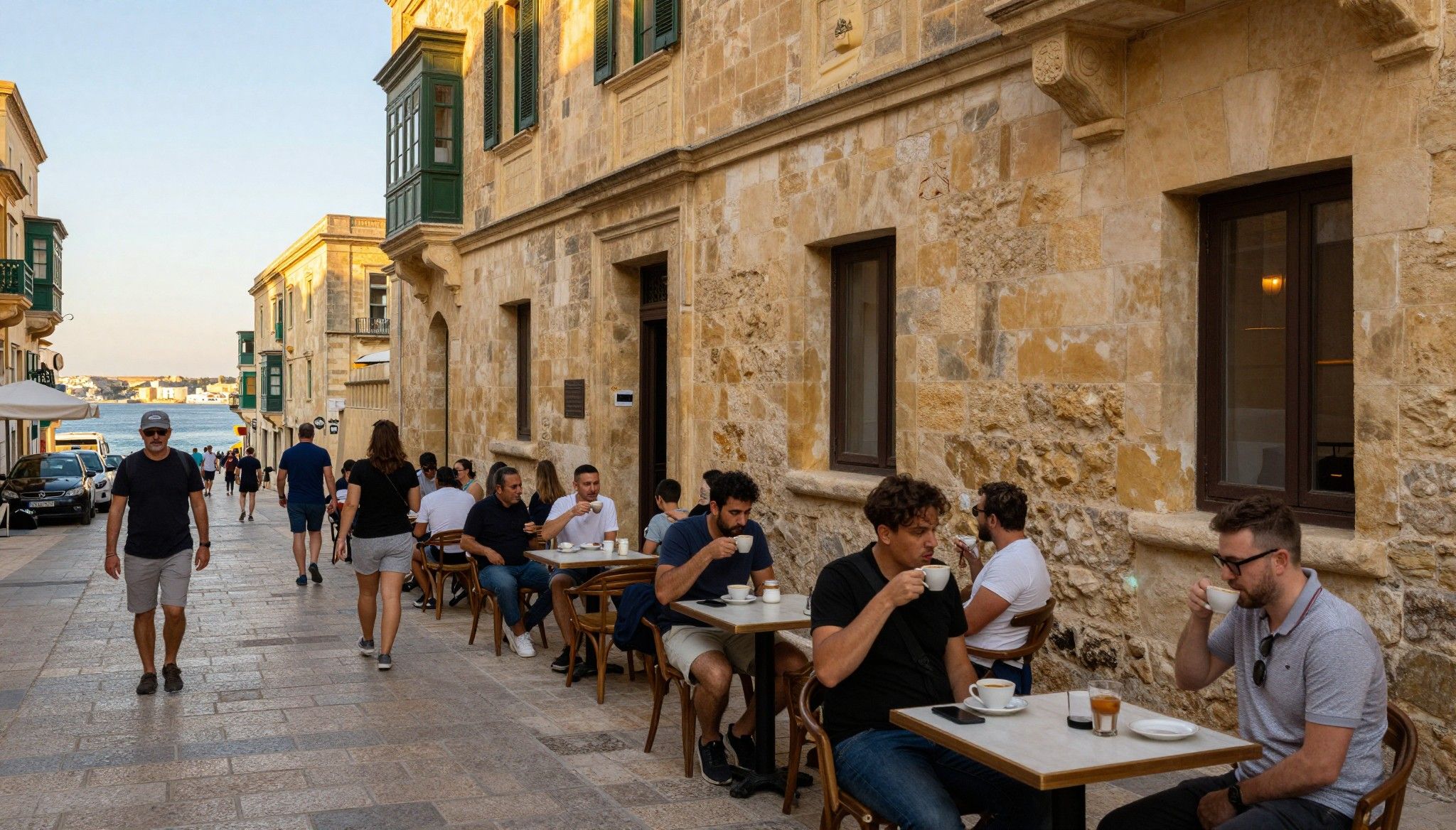
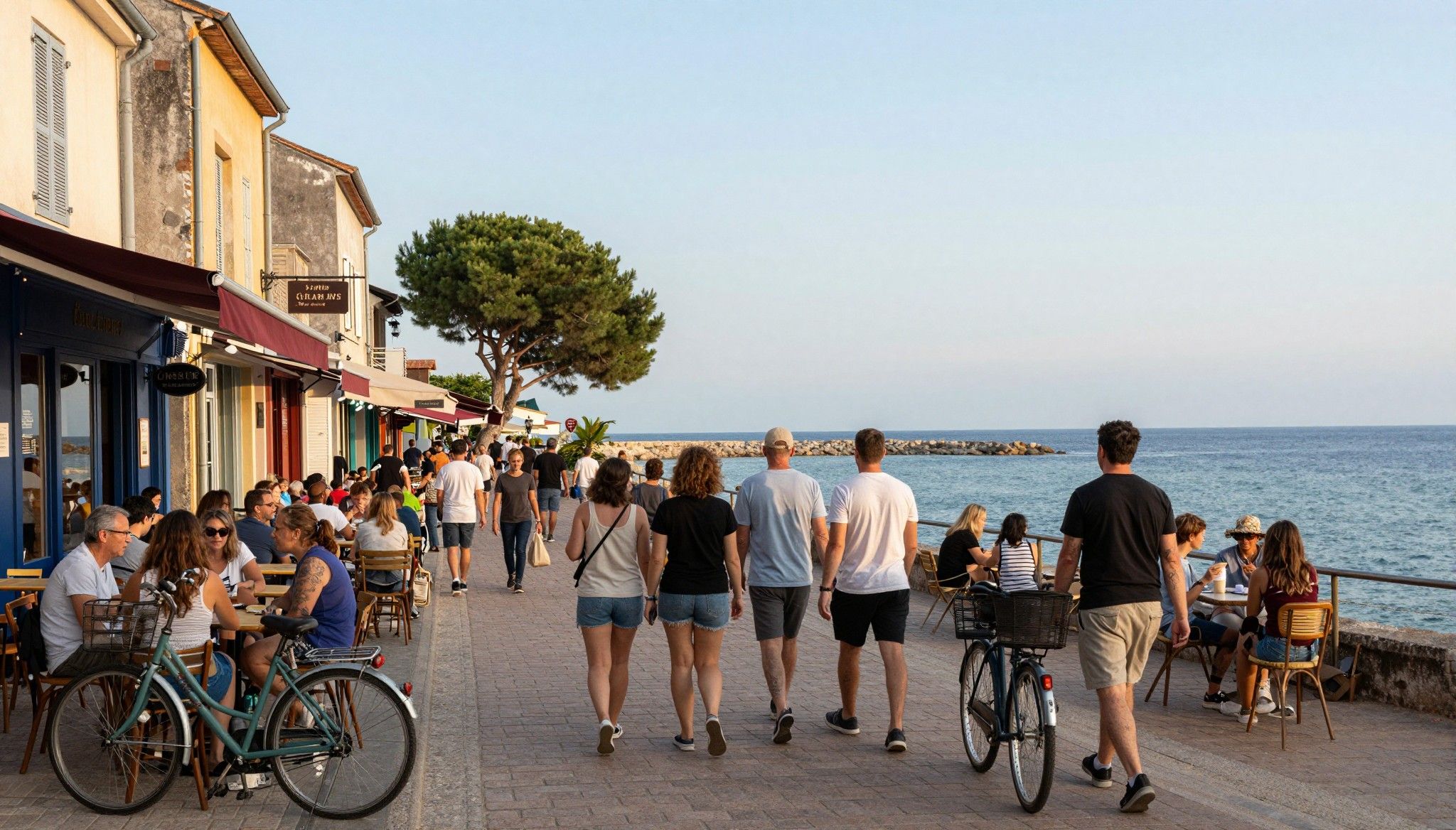
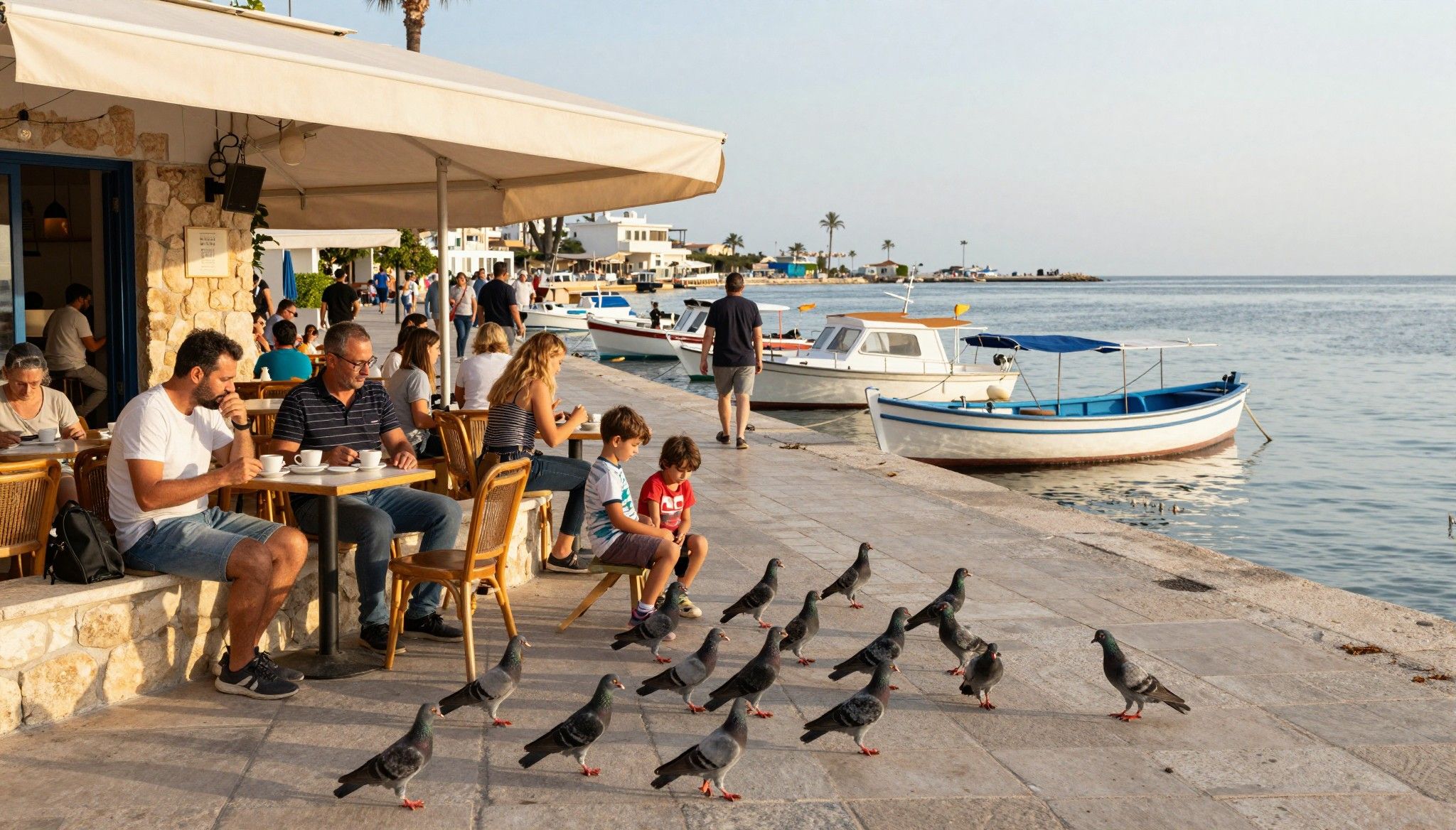
Imagine waking to the smell of strong coffee on Ledra Street, then driving 25 minutes to a pebble cove near Paphos where neighbours meet for an evening swim. Cyprus moves at intimate rhythms: seaside mornings, tavernas at dusk, and a real estate market that quietly rewrites itself by district. For international buyers the question isn’t just “Is Cyprus expensive?” — it’s which corner of the island will give you the life you want, at the price that still makes sense next year.
Living the Cyprus life: neighbourhoods that shape value
Cyprus feels coastal and convivial. Limassol hums with cafés on Molos promenade and seafront condos; Nicosia is quieter by comparison, with neighbourhood pockets like Strovolos offering tree-lined streets and family homes; Paphos blends fishing-harbour authenticity with villa developments near Coral Bay. These lived differences explain price signals found in official indices: national house-price growth is positive but uneven, meaning lifestyle choices — beach vs city, villa vs apartment — drive large price spreads within short distances.
Limassol: seafront liquidity, premium per m²
Walk the Molos at sunset and you’ll understand why Limassol commands higher square-metre rates: international schools, a marina lifestyle, and steady rental demand. That quality comes at a cost — prime seafront units often trade well above island averages — but they also offer liquidity for investors targeting short-let and corporate tenancy markets.
Paphos: lifestyle momentum, surprising affordability pockets
Paphos has been the island’s most dynamic growth zone recently — house prices led national gains in several quarters. For buyers who prioritise sea-and-village living over city buzz, Paphos offers stretches where value per square metre is lower than Limassol but lifestyle payoff (quiet harbours, morning markets, nature trails) is high.
- Lifestyle highlights to test-drive: Molos promenade (Limassol); Coral Bay sunrise (Paphos); Ledra and Old Town cafés (Nicosia); Larnaca’s Finikoudes boardwalk; the weekly market in Polis.
Making the move: how price trends meet how you live
National indices show modest overall growth: official RPPI and HPI series report positive but decelerating increases depending on quarter and district. That matters to you: small national averages can hide neighbourhood-level surges. If you want walkable cafés and short rental seasons, a coastal town may cost more per m² but return lifestyle dividends; if you value capital preservation and slower volatility, inner-Nicosia pockets and selected mountain villages can be steadier.
Property types and the life they enable
Villas give outdoor living and privacy — great for families and seasonal entertaining — but come with maintenance realities (gardens, pools). Apartments near promenades deliver low-maintenance living and rental flexibility but usually smaller outdoor space. New-build complexes increasingly include co-working lounges and gym facilities that suit remote workers; older stone houses in Omodos or Kakopetria deliver authenticity but can need renovation budgets.
- Practical steps that preserve lifestyle and price sense:
- 1) Map lifestyle priorities by dayparts (morning market, afternoon beach, evening dining) and overlay them on price-per-m² ranges for your target districts.
- 2) Inspect similar units within 1 km radius to understand micro-premiums (sea view, proximity to a marina, renovated vs shell).
- 3) Budget for seasonal running costs: pools, A/C usage in summer, and garden upkeep — lifestyle features that inflate running costs more than purchase price.
Insider knowledge: what expats wish they'd known
Expats often arrive enchanted by beaches and end up surprised by seasonality and district variation. Rentals and tourism create pockets of volatility: towns with short-let appeal can spike in summer and soften off-season. Many buyers also underestimate how quickly a modest renovation increases perceived value in village settings — a well-executed kitchen or insulation upgrade can sway buyers and tenants alike.
Culture, language and community realities
English is widely spoken in business and tourism, easing daily life and transactions. But community integration still rewards small courtesies: learn basic Greek phrases, attend a local feast (panigiri), and shop weekly at the municipal market — these behaviours open doors to local insight and sometimes off-market opportunities.
Long-term lifestyle and what to watch in data
Track three numbers: district-level price growth, building-permit flow (new supply), and mortgage lending trends. Rising permits hint at future competition; rising lending suggests affordability loosening. When house-price growth outpaces apartment growth (as seen in recent CBC releases), it signals a preference shift that affects which property types hold value.
- Red flags local buyers and agents watch:
- • Large developer discounts that coincide with rising supply — can signal short-term promotions rather than sustainable value.
- • Properties sold “as seen” without recent certificates of compliance — budget for inspections and paperwork.
- • Heavy reliance on short‑let income projections — test occupancy assumptions outside peak months.
Conclusion: Cyprus is a collection of living rooms by the sea and quiet village squares — each with a different price rhythm. Use district-level data (HPI, RPPI), visit at least once in an off-season month, and work with a local agent who understands both market indicators and what makes daily life sing. Do that and the island stops being a map of prices and becomes a place you can imagine calling home.