France's Quiet Price Pockets: Lifestyle Lowers Cost
France’s national price headlines hide local pockets where lifestyle and affordability align — learn which neighbourhoods and property types offer the best tradeoffs.
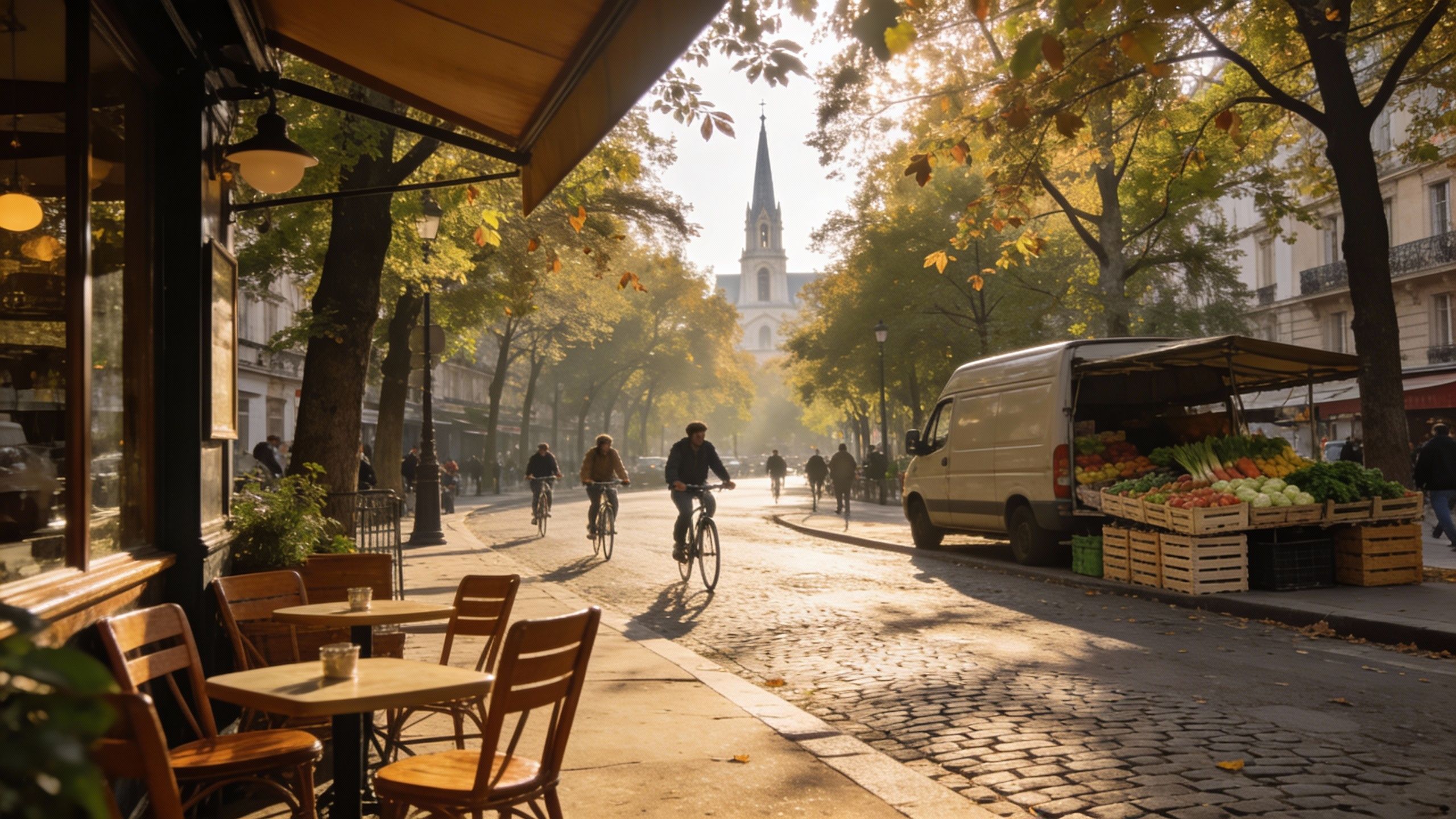
Imagine sipping café at sunrise on Rue Cler, the market stalls arriving with cheese and oysters, then driving 90 minutes to a pebble cove on the same day. France folds many lives into one country — village markets, seaside rituals, urban bustle — and each rhythm writes a different property story. That variety is why national price headlines mislead: they smooth over micro‑pockets where lifestyle and affordability meet. Read on for places, patterns and practical steps that let you buy the life you want — not just chase a headline.
Living Frenchly: daily rhythms that shape value
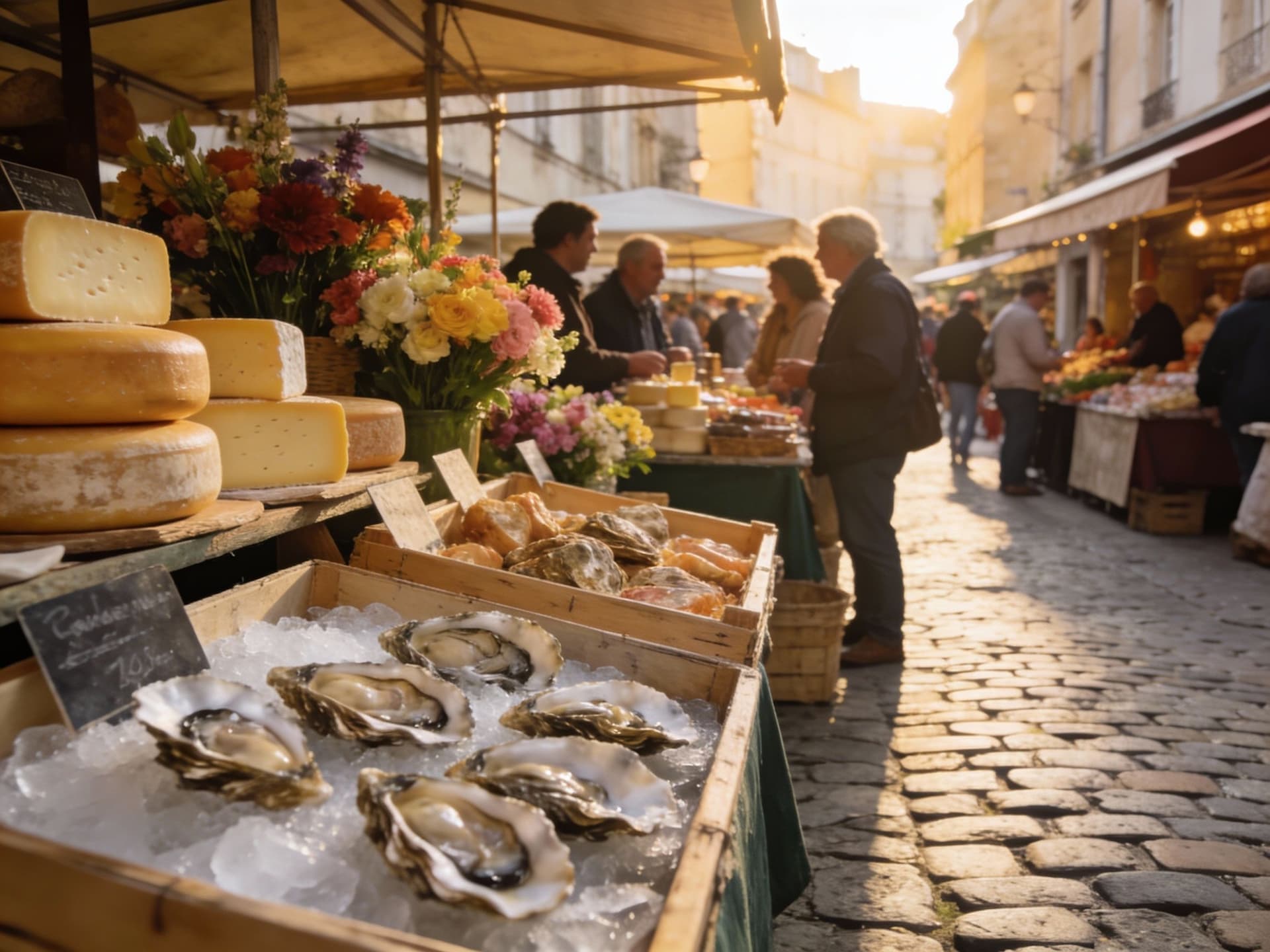
France’s appeal is sensory and seasonal: morning boulangeries, long lunches, late-evening promenades on the Promenade des Anglais or along the Loire. Those rituals influence demand — apartments near weekly markets and coastal walks command a premium, while short drives to quieter communes can halve the price for the same quality of life. For international buyers this means prioritising lived experience first, then matching property data to that lifestyle.
Paris & Île‑de‑France: intensity, culture, liquidity
Paris remains Europe’s compact metropolis: exceptional cultural density, high prices per square metre, and the liquidity international buyers expect. Yet growth has slowed and suburbs (Seine‑Saint‑Denis, Val‑de‑Marne) now show redevelopment opportunities where lifestyle tradeoffs give better value. If you want restaurants and culture on foot, budget for the premium; if you want quick access without Paris prices, look to RER towns with direct links.
Provence & Côte d'Azur: headline glamour, hidden tiers
The Riviera name conjures villas and yachts, but the coast contains tiers: Nice, Antibes and Cannes are expensive, while inland Luberon villages and smaller ports (Bandol, Sainte‑Maxime side streets) offer similar Provençal life at lower cost. Seasonal demand spikes in summer; off‑season prices and rental returns can be materially different. For buyers seeking wine bars and markets rather than celebrity cachet, inland Provençal communes deserve a closer look.
Making the move: property types that match how you live
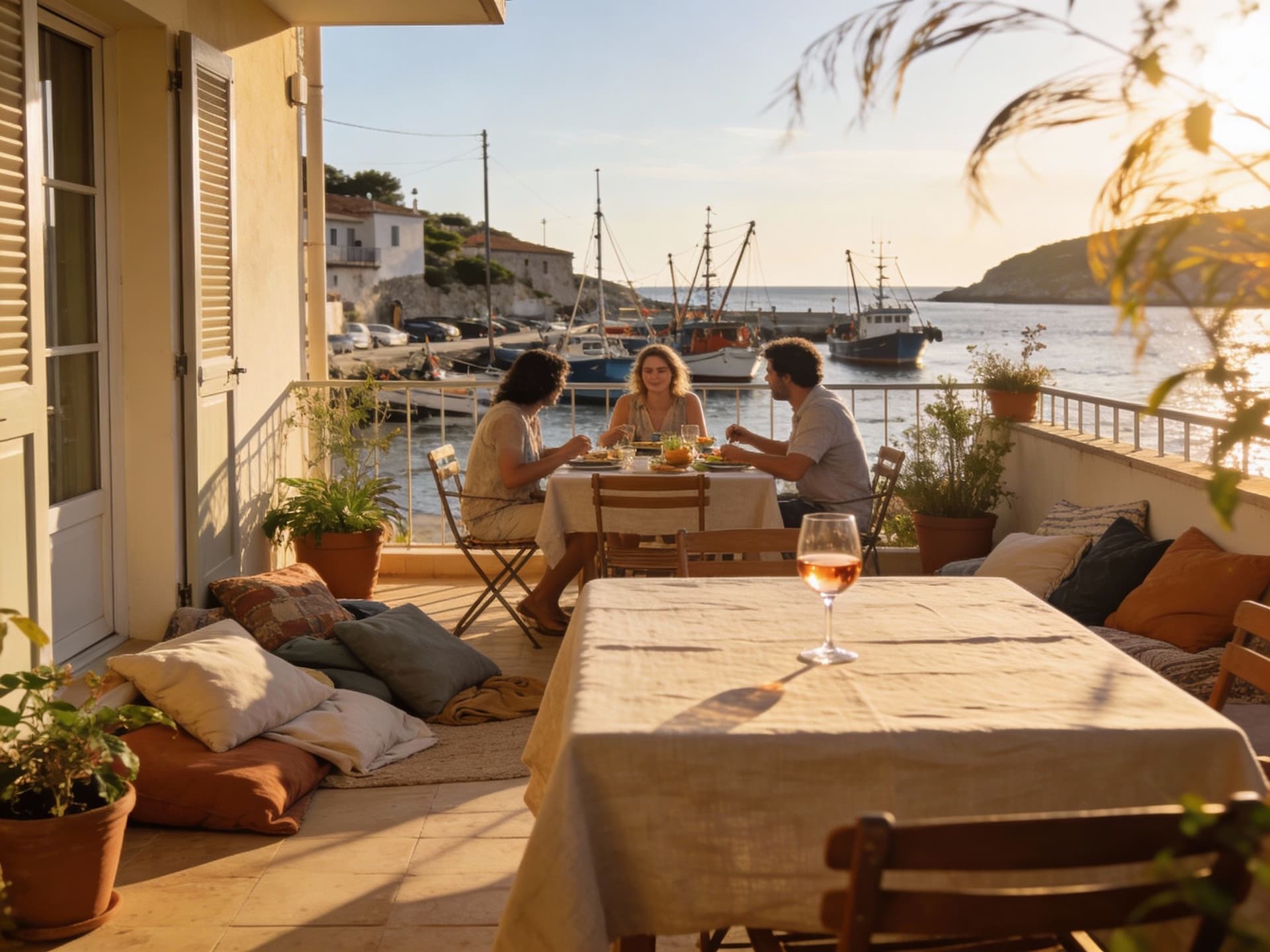
Your decision between an apartment in a listed town, a village house, or a rural mas is about routine more than resale. Do you want a café every morning or a terrace with vines? In France, the built form defines the day: Haussmannian flats frame social life in Paris, stone farmhouses frame seasonal rituals in Dordogne. Match property type to how you want to inhabit streets, gardens and markets.
Architecture & daily life: stone, shutter, terrace
Older stone homes offer thick walls and cool summers but often require upgrades for insulation and electrics; town apartments simplify maintenance but can lack private outdoor space. New developments on the Riviera or near Bordeaux give modern comforts and energy efficiency, but you trade the patina of daily market life. Choose the form that supports your seasonal habits and maintenance appetite.
- Steps to match lifestyle to property (practical + sensory)
1. Spend three non‑consecutive days in a target town across seasons to test mornings, markets and commute rhythms. 2. Walk morning routes and evening routes (cafés vs grocery runs) to measure daily convenience. 3. Inspect outdoor micro‑spaces — terraces, courtyards, nearby parks — that determine how you’ll use the home. 4. Ask local agents about seasonality in demand and actual occupancy, not just advertised rental yields. 5. Get realistic renovation quotes before making location-based emotional choices.
Insider knowledge: what expats wish they’d known
Expat experience often splits into two surprises: how small daily adaptations make life better, and how local quirks change value. For instance, a lively weekly market two blocks away can make a modest apartment feel luxurious; conversely, a busy tourist street can hollow out year‑round comfort. Practical openness to local routines (shop hours, garbage schedules, association meetings) often matters more than square metres.
Cultural cues that shape neighbourhood choice
French neighbourhoods are social ecosystems: boulangeries, the mairie, the marché and a good épicerie knit communities together. Learn the rhythms — who uses the square at noon, where seniors meet, which cafés close for August — before bidding. These micro‑patterns influence price resilience: places with year‑round community life weather market swings better than purely tourist strips.
- Practical red flags local buyers watch for
• Excessive reliance on seasonal tourism (empty outside summer) • Streets dominated by short‑term rentals rather than resident services • Properties in flood plains or with complex co‑ownership (copropriété) histories • Overly optimistic rental yield figures that ignore management costs and vacancy • Large renovation unknowns with weak local contractor markets
Work with agents who understand both data and daily life. A regional notaire or a local agency that shows recent sold comparables, seasonal occupancy rates and condo meeting minutes will give you the clarity to make lifestyle-led, data‑backed choices. Use Blueprintera to compare new developments and local advisors who translate the market into routines you’ll enjoy.
Tying market numbers to the life you want
National indices (Notaires, INSEE) show aggregate trends, but the most useful figures for lifestyle buyers are granular: arrondissement or commune price per m², seasonal rental occupancy and the proportion of second homes. Look for neighbourhood‑level sold prices and recent permit activity to see where authentic lifestyle demand meets sustainable value.
Final checklist before you bid
1. Verify recent sold comparables within 6 months at street or commune level. 2. Confirm seasonal occupancy and real management costs for short‑term rentals. 3. Order a local technical survey (diagnostic technique) and get a contractor’s estimate. 4. Meet the syndic or mairie to understand planned works and community life. 5. Reserve a margin for modest upgrades that align the property with daily living (kitchen, heating, outdoor seating).
France rewards buyers who think like residents. Choose a place for the rituals you can’t replicate in a photo: the early market, the terrace aperitif, the seasonal festival down the lane. Use data to limit risk and local experts to translate numbers into daily life. When lifestyle leads and numbers follow, you’ll buy both a home and a way of being.
Norwegian market analyst who relocated to Mallorca in 2020. Focuses on data-driven market insights and smooth relocation for international buyers.