Late‑Autumn House‑Hunting in Greece: The Price Advantage
Visit Greece off‑season: late‑autumn house‑hunting reveals true neighbourhoods and tactical price spreads—Bank of Greece and Eurostat data show regional variation to exploit.
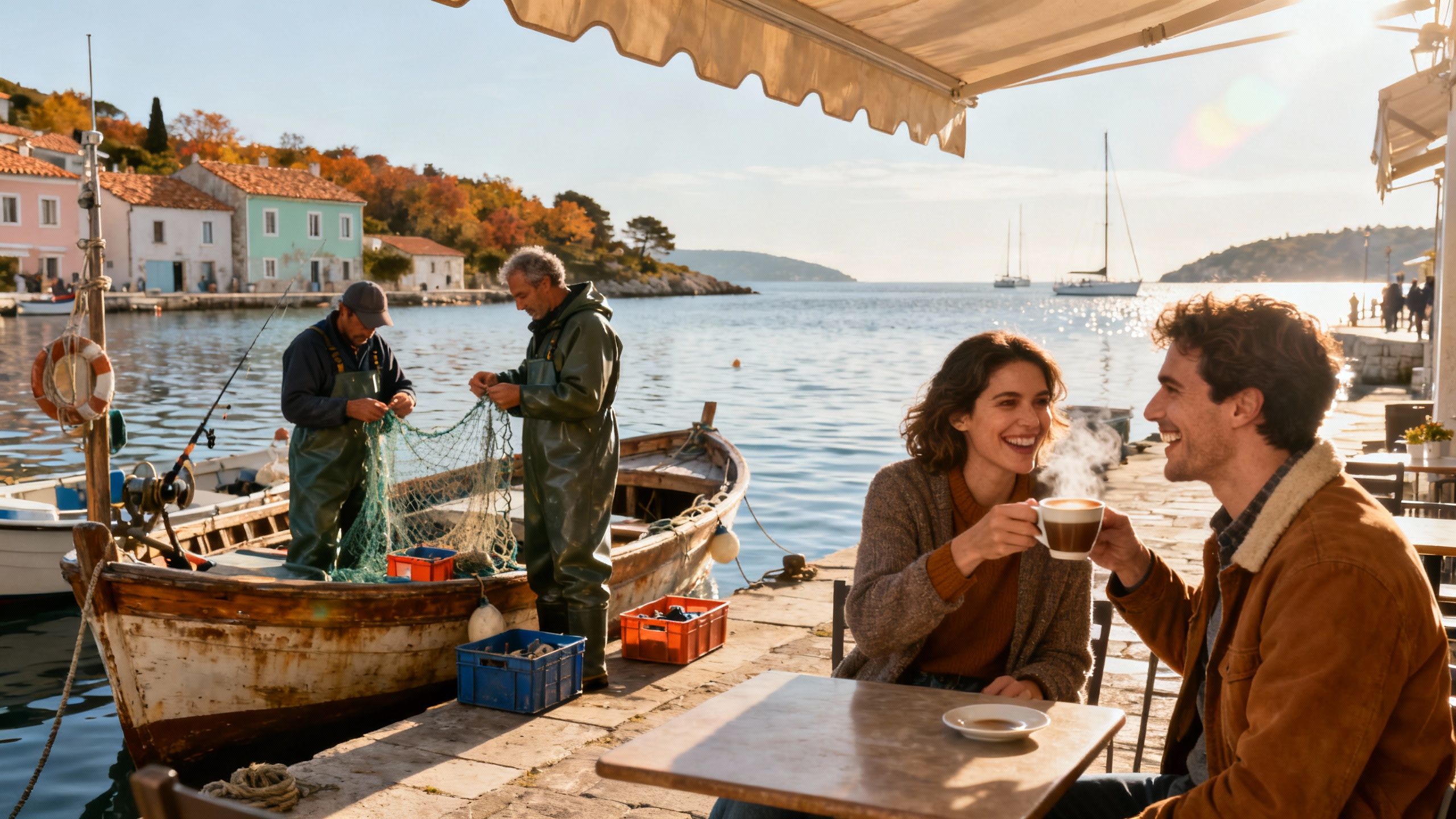
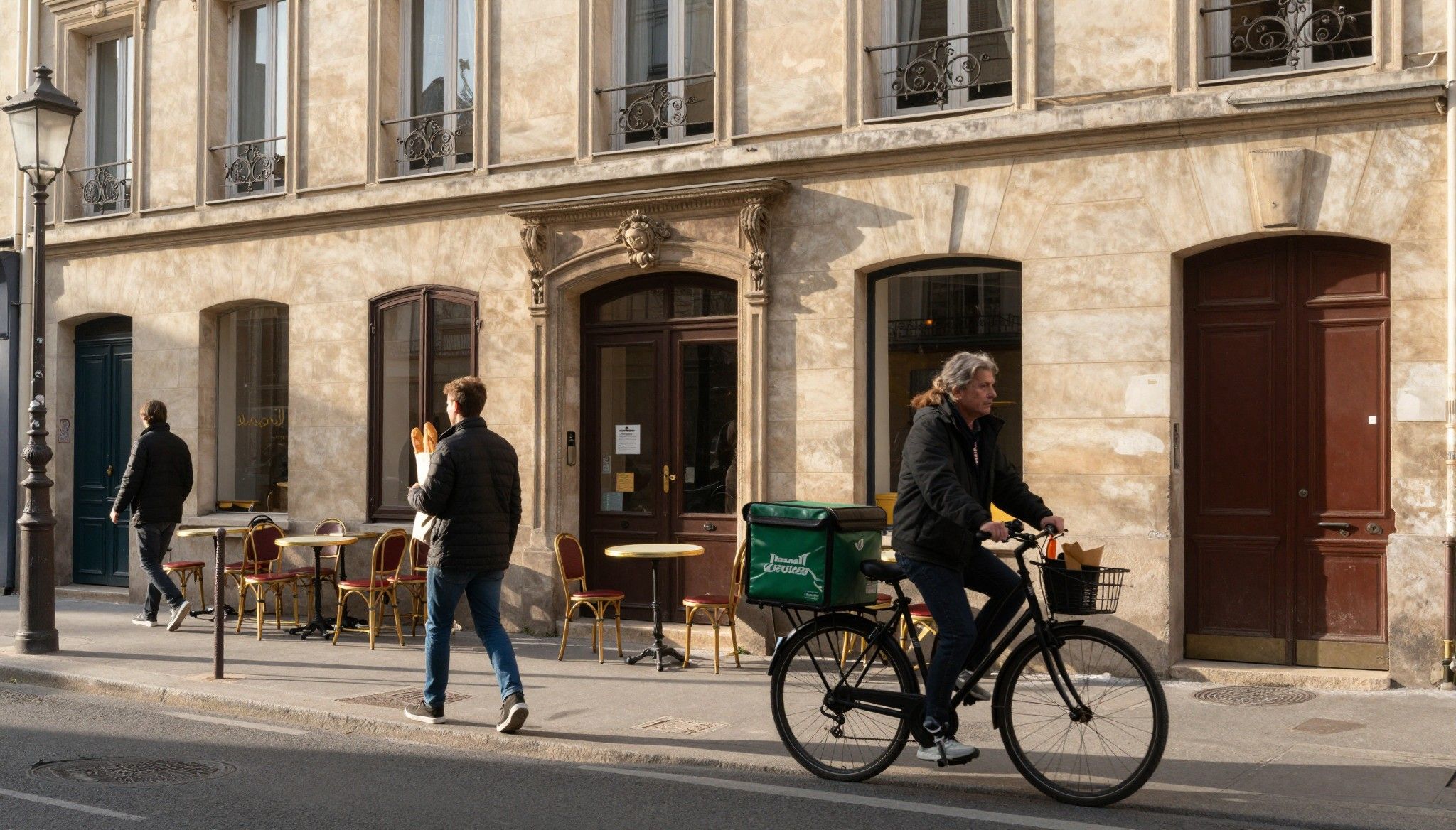
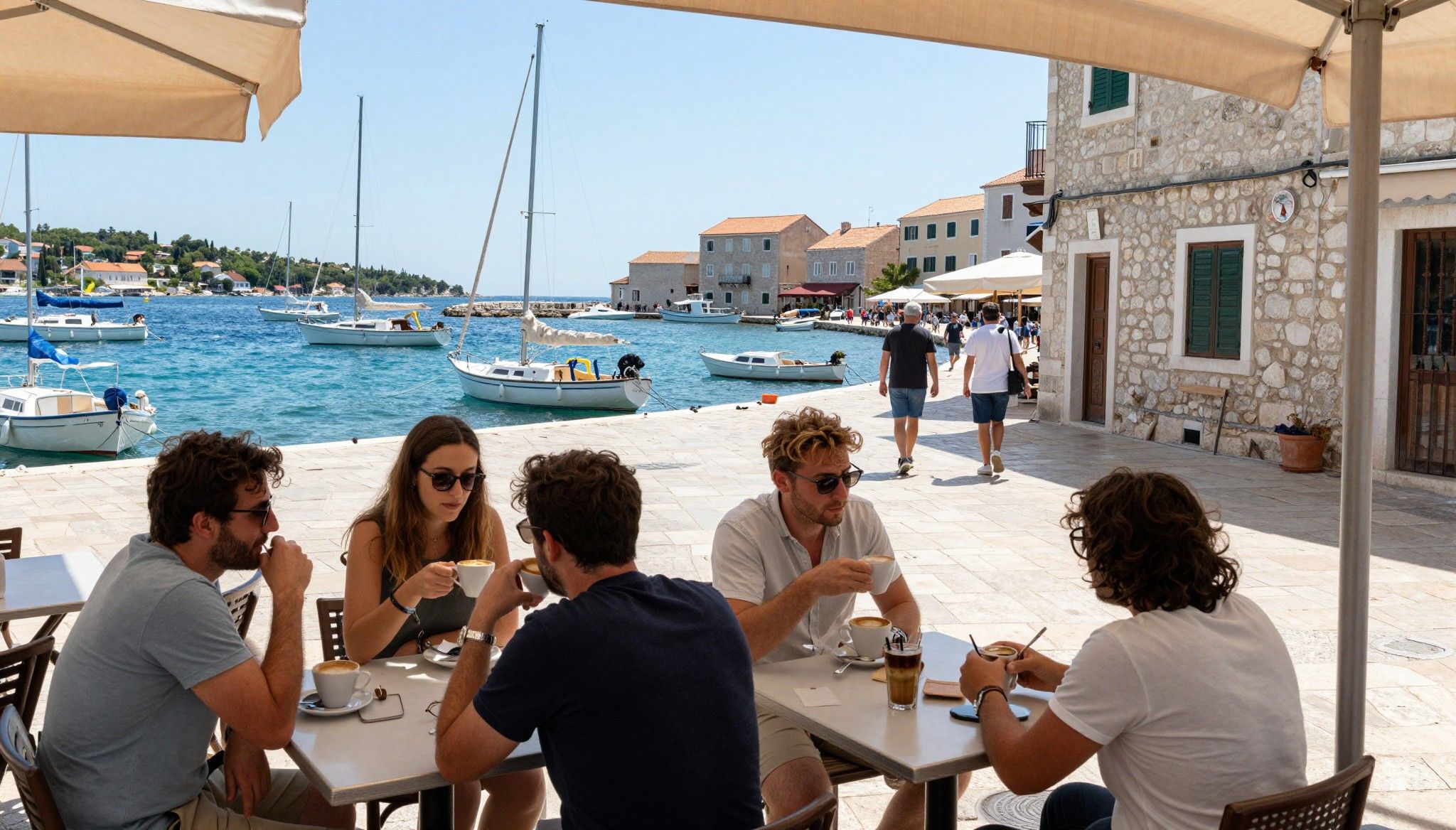
Imagine a late-autumn morning in Athens: espresso steaming on a narrow table in Koukaki, newspapers blowing down tree-lined Vénios Street, and the market on Athinas humming with vendors packing up after a brisk sale. The same week, on islands like Paros or Naxos, pebble beaches are nearly empty and tavernas feel less staged and more local. That pause—when crowds thin and the true rhythm of neighbourhoods returns—is where price discovery often happens. According to recent Bank of Greece data, national apartment prices continued to rise through 2024 and into 2025, but regional spreads and seasonal supply dynamics create tactical moments for buyers who visit off-season.
Living the Greece lifestyle
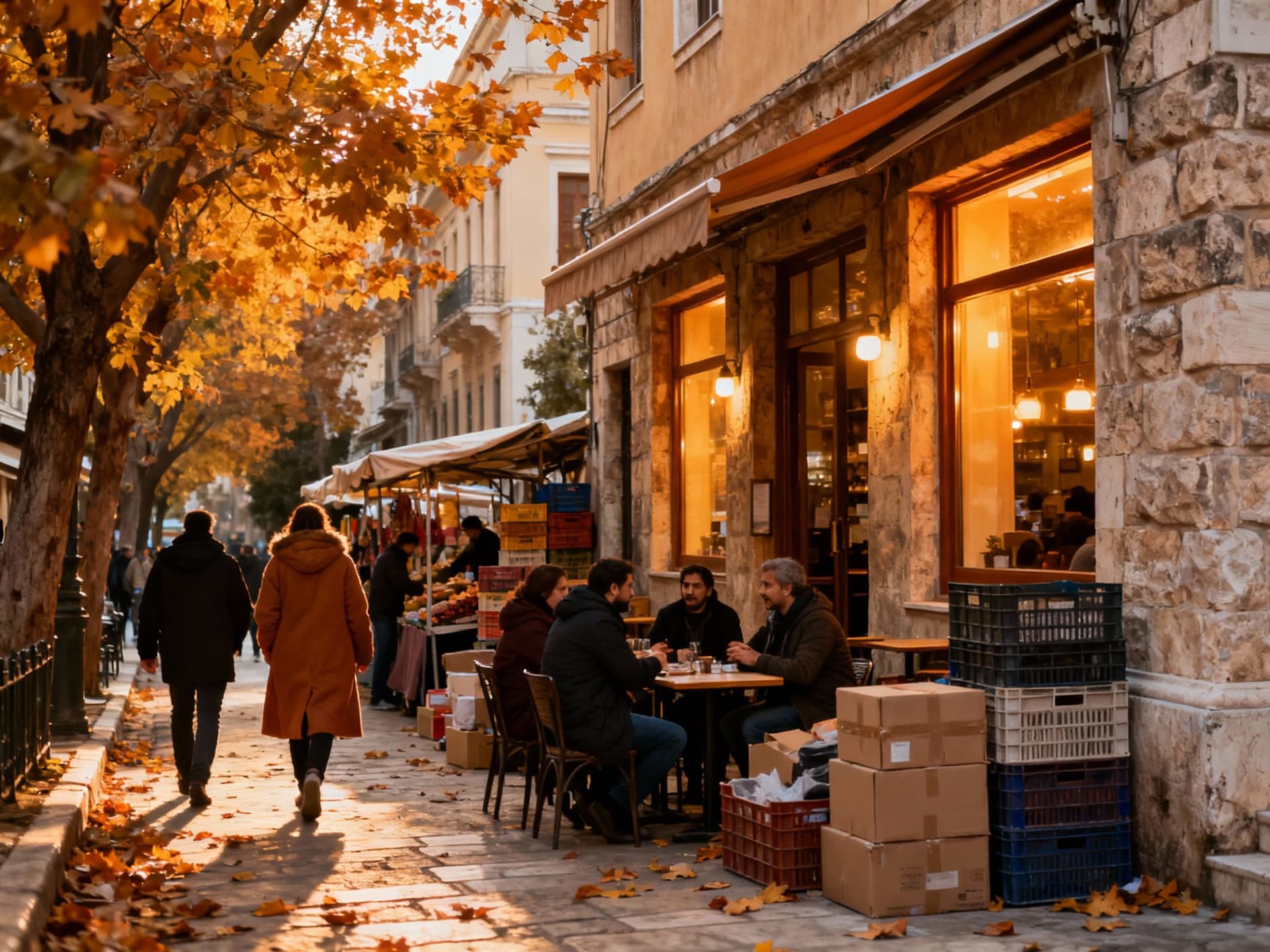
Greece is a set of daily rituals: late mornings in cafés, evenings that stretch into long dinners, and neighbourhoods that change personality with the season. In cities like Athens, pockets such as Exarchia, Pangrati and Koukaki offer a mix of old‑world streets and new cafés; on the islands, Naxos and Syros keep a year-round community while Mykonos and Santorini feel cinematic in summer and honest in winter. Living here means cycling between market runs, seaside swims, and cultural nights at municipal theatres—your property choice determines which rhythm you live by.
Athens neighbourhoods: street life, not just skyline
Walk from Anafiotika toward Koukaki and you see the real trade-off: cobbled lanes and community bakeries versus investment-grade short-term rental income. Recent moves to tighten short‑term rental registration and ban conversions of windowless basements aim to rebalance neighbourhoods—a detail that changes both rental dynamics and what landlords can reasonably expect through the year. For buyers who want morning markets instead of tourist flocks, look for blocks where locals still shop and kids play, not just for properties listed as 'investment-ready'.
Islands beyond the postcard: where community beats hype
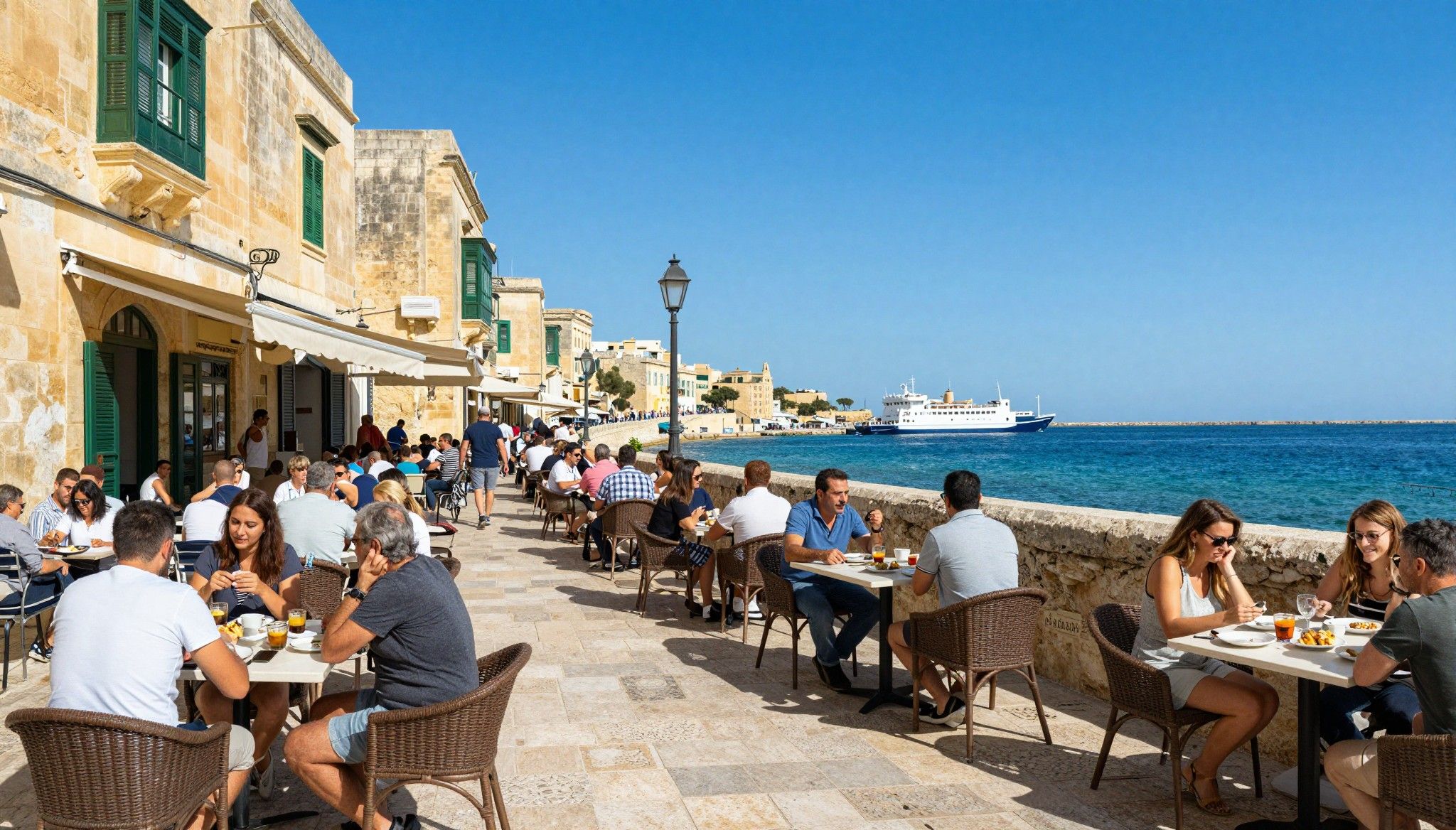
The Cyclades are not a single market. Mykonos and Santorini command premium pricing driven by constrained supply and global demand, while islands like Paros, Naxos and Syros offer lower entry prices and stronger year-round communities. If you crave a living village, focus on harbourside streets where fishermen still moor, local bakeries open at 07:00, and a seasonal exodus doesn’t empty the place for months on end.
- Lifestyle highlights to test when house‑hunting off‑season
- Morning espresso at Koukaki’s Taf (local cafés vary by season)
- Fish market stroll at Piraeus followed by supper in Kerameikos
- Weekday ferry to Naxos to see schools, shops and year‑round life
- Sunrise walk on Glyfada or Vouliagmeni coastlines—note long‑term residents
Making the move: practical considerations

Dreams meet numbers when you add local cycles to national trends. The Bank of Greece reports that apartment prices rose through 2024 and into 2025, but increases vary: Athens showed moderate rises while Thessaloniki and many regional areas recorded stronger gains. Eurostat data confirms Greece’s house‑price momentum within the euro area. That spread—city versus island, new build versus old—creates negotiating room if you time visits and know which months reveal real supply rather than seasonal listings.
Property styles that fit how you want to live
Stone-built village houses offer thick walls and cool summers but need maintenance; modern apartments in Athens give convenience and resale liquidity; coastal new-builds prioritise terraces and insulation against sea air. Match the property’s physical features to lifestyle: if you want café culture, choose compact central apartments; if you want outdoor living, prioritise terraces, courtyards and storage for seasonal extras like kayaks.
Local experts: more than transaction agents
Work with agents who live the rhythm you want. Ask for street-level comps (not just island averages), recent off‑season sale prices, and evidence of post‑purchase running costs. A decisive local agent will show you the same street at different times of year, point out buildings with short‑term rental pressure, and explain municipal plans that affect future supply.
- Steps to leverage off‑season advantage
- Visit in October–November: see communities, meet shopkeepers, and view properties without peak-season staging.
- Request recent sales (last 6 months) on the exact street to compare advertised prices with realised prices.
- Confirm short‑term rental rules and any local freezes on new registrations—these materially change yield assumptions.
- Factor in renovation seasonality: contractors are available off‑peak and costs may be lower, but check for weather delays.
Insider knowledge: what expats wish they’d known
Expats often say: I loved the island in July, but I learned the community in November. You should too. Policies aimed at increasing housing supply—like measures to target unused bank-held properties—can shift local availability and pressure prices down in the medium term. Knowing these policy levers, and tracking municipal zoning or short‑term rental bans, turns local color into an investment signal.
Language, customs and daily life
Greek daily life rewards patience: shopkeepers negotiate informally, municipal offices run on schedules, and social invitations are earnest commitments. Learning basic Greek phrases opens doors; showing you intend to become part of a neighbourhood often improves negotiation outcomes and long-term satisfaction more than a slightly lower purchase price.
Long‑term lifestyle signals to watch
Track signs of sustainable growth: new schools, health clinics, ferry frequency increases, and municipal investments in sea defenses or promenades. These incremental improvements matter for resale and quality of life. Conversely, a spike in short‑term rental listings or a cluster of for‑sale signs on one block are red flags for transient neighbourhood character.
- Red flags to skip or investigate
- Multiple identical listings on the same street (possible oversupply).
- Properties sold without a clear energy performance certificate or legal title history.
- Blocks with concentrated short‑term rental conversions and few year‑round residents.
Over time, buyers who prioritise lived-in streets over postcard hotspots report greater satisfaction. The late‑autumn visit is a practical way to test that preference: cafes with regulars, shops open on weekdays, and maritime schedules that support the local workforce are all positive signals.
Conclusion: Fall in love—and then check the data. Visit outside high season to feel neighbourhood life, cross-check street-level sales against Bank of Greece and Eurostat indicators, and work with an agent who knows municipal plans and off‑season dynamics. Do that, and you’ll buy more than a property: you’ll buy into how Greece actually lives.
Swedish strategist who relocated to Marbella in 2018. Specializes in legal navigation and tax planning for Scandinavian buyers.