Why Paris Prices Mislead — Small‑Town France Holds Value
National data shows France’s headline markets mask inland and small‑town opportunities—look beyond Paris and the Riviera for lifestyle value and recovery‑stage gains.
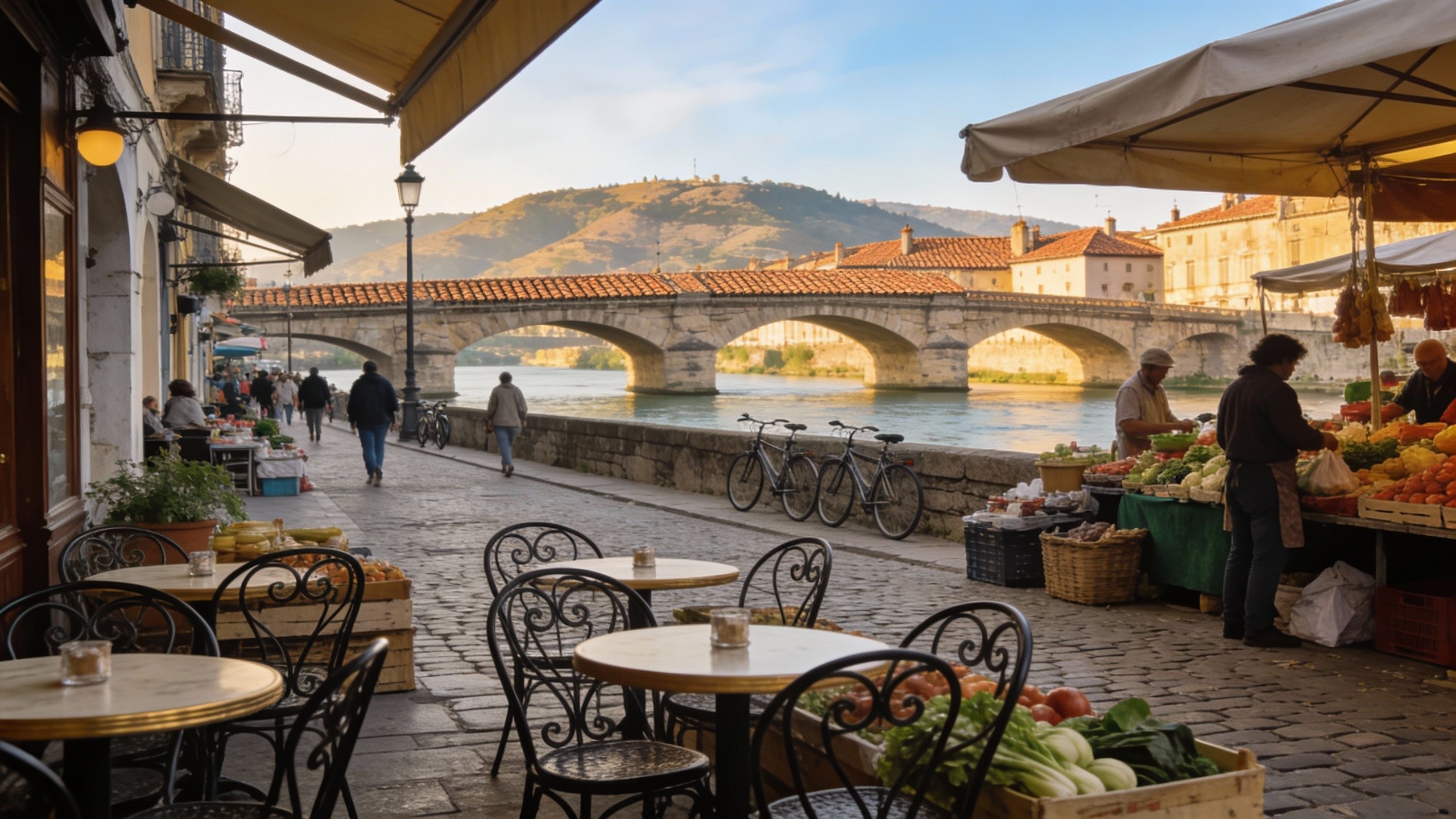
Imagine sipping espresso on Rue Cler in Paris one morning, then three hours later standing under plane trees in a Provençal market — two very different Frances. For many international buyers the shorthand is simple: Paris is expensive, the Riviera is aspirational, and inland France is sleepy. That shorthand matters because it shapes where buyers look first and what they assume about price, liquidity and lifestyle. Pegging decisions to headline cities misses the real story: since 2024 small towns and inland departments have been quietly stabilising and, in some cases, returning to modest growth. Data from the national statistics institute shows recent upticks outside Île‑de‑France that buyers should not ignore. (See link for Q1 trend.)
Living France: More Than Paris and the Riviera
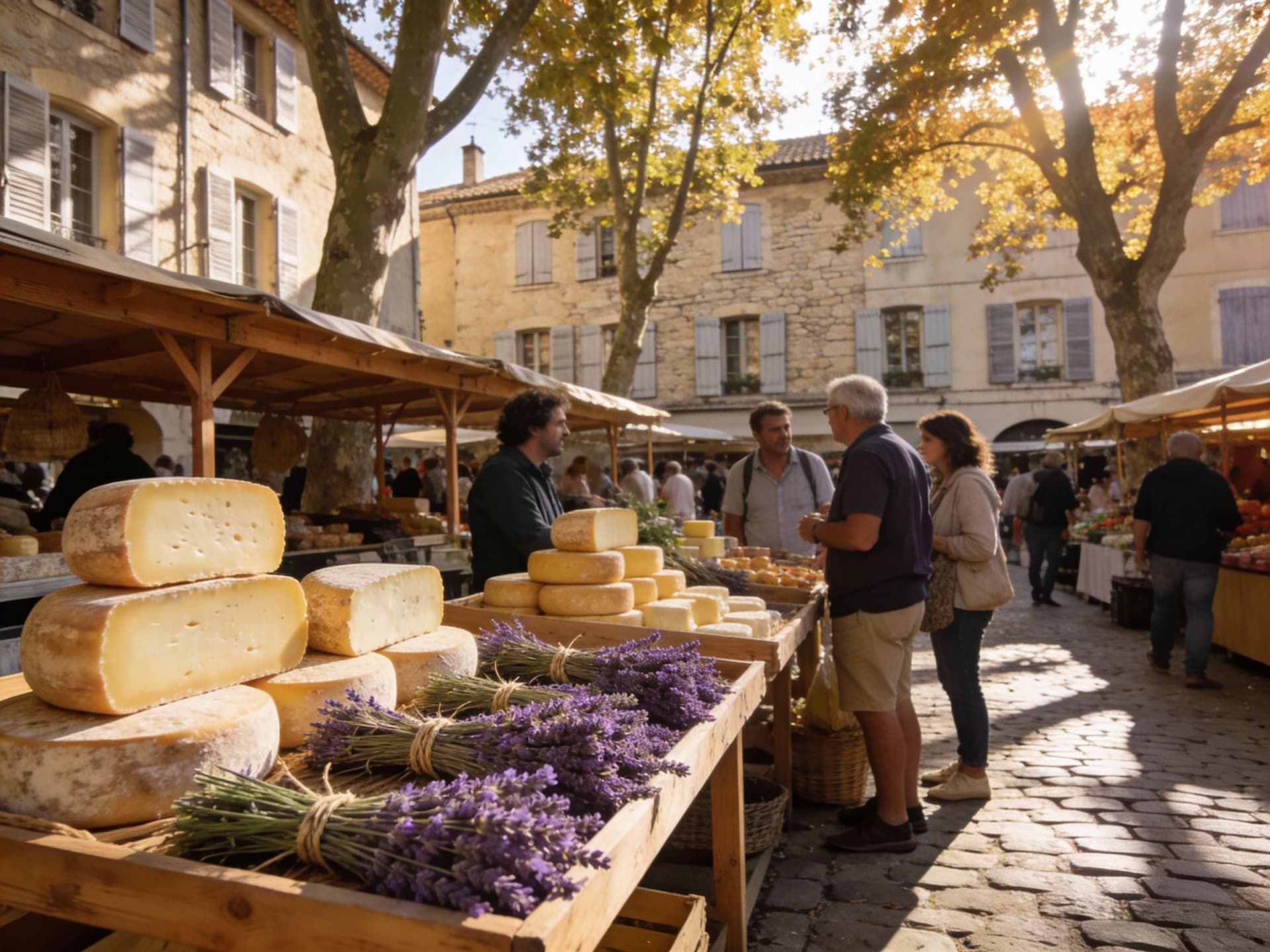
France is a collection of neighbourhoods, rituals and microclimates. Morning life in Lyon’s Croix‑Rousse is a rhythm of boulangeries, marché stalls and trams; in Biarritz surfers trade tips at cafés; in the Luberon, Wednesday markets smell of lavender and roasted chestnuts. For an international buyer the question isn’t 'Is France expensive?' but 'Which France fits my life — and how does that choice change price expectations?'
Neighbourhood spotlight: Nice, Avignon, Nantes — different heartbeats
Nice’s Promenade and Old Town deliver tourism‑shaped seasonality, short‑term rental demand and higher per‑m² values; Avignon offers historic streets, a strong cultural calendar and lower entry prices; Nantes mixes riverside regeneration with growing tech jobs and rising local demand. Walking any one city you’ll feel different paces: tourists and festivalgoers in Nice, theatre rehearsals and river bikes in Avignon, start‑ups and restaurants in Nantes. Those rhythms directly influence how quickly properties sell and which features buyers pay premiums for.
Food, markets and daily life: how lifestyle drives local pricing
A weekend market in Sarlat attracts buyers who prize a walkable weekly routine; coastal towns with year‑round marina life draw high‑net‑worth buyers seeking second homes or rental yield. Food culture, accessibility and event calendars create predictable demand spikes — and local agents price on those patterns. In practice that means a 19th‑century townhouse near a famous weekly market can outperform a similarly sized rural house 30 km away because experiences matter to buyers.
What the numbers really say about prices (and why headlines mislead)
Headlines often focus on Paris or the Côte d’Azur; yet national indices reveal a subtler picture. INSEE data shows metropolitan France’s second‑hand dwellings returned to modest quarterly growth in early 2025 after a period of decline, with provincial France registering stronger recoveries than Île‑de‑France. Meanwhile coastal luxury markets saw uneven corrections in 2024, opening tactical windows for buyers who know where to look. The key is reading national statistics alongside regional barometers — the national tide can hide local ripples of value.
Where the 'expensive France' label fails
Two common mistakes: equating Paris prices with the whole country, and treating coastal luxury as representative. In fact, many inland departments (Nouvelle‑Aquitaine, Occitanie inland towns, parts of Auvergne‑Rhône‑Alpes) show lower per‑m² baselines and stronger rental yields for long‑let country homes. That divergence is why international buyers who widen their search beyond headline hotspots often find both lifestyle fit and better price appreciation potential.
- Lifestyle factors that mute headline prices
• Weekly markets (e.g., Sarlat, Uzès) that anchor neighbourhood popularity • Proximity to regional airports and TGV stations that raise demand without Paris premiums • Cultural calendars (festival towns) that lift seasonal rental returns • Energy performance (DPE) penalties that lower prices for poorly insulated stock • Local planning rules that preserve character and cap new‑build supply
Making the move: marry lifestyle priorities with market indicators
Start with the life you want — morning coffee spot, weekend routine, the climate you prefer — then overlay market indicators: recent price movement, transaction volumes and energy labels. Work backward to neighbourhoods that fit both. Agencies aren’t just selling inventory; the best local teams translate microdata (recent sale prices on the street, renovation costs, seasonal occupancy) into realistic budgets and negotiation strategy.
Property styles and what they mean for daily life
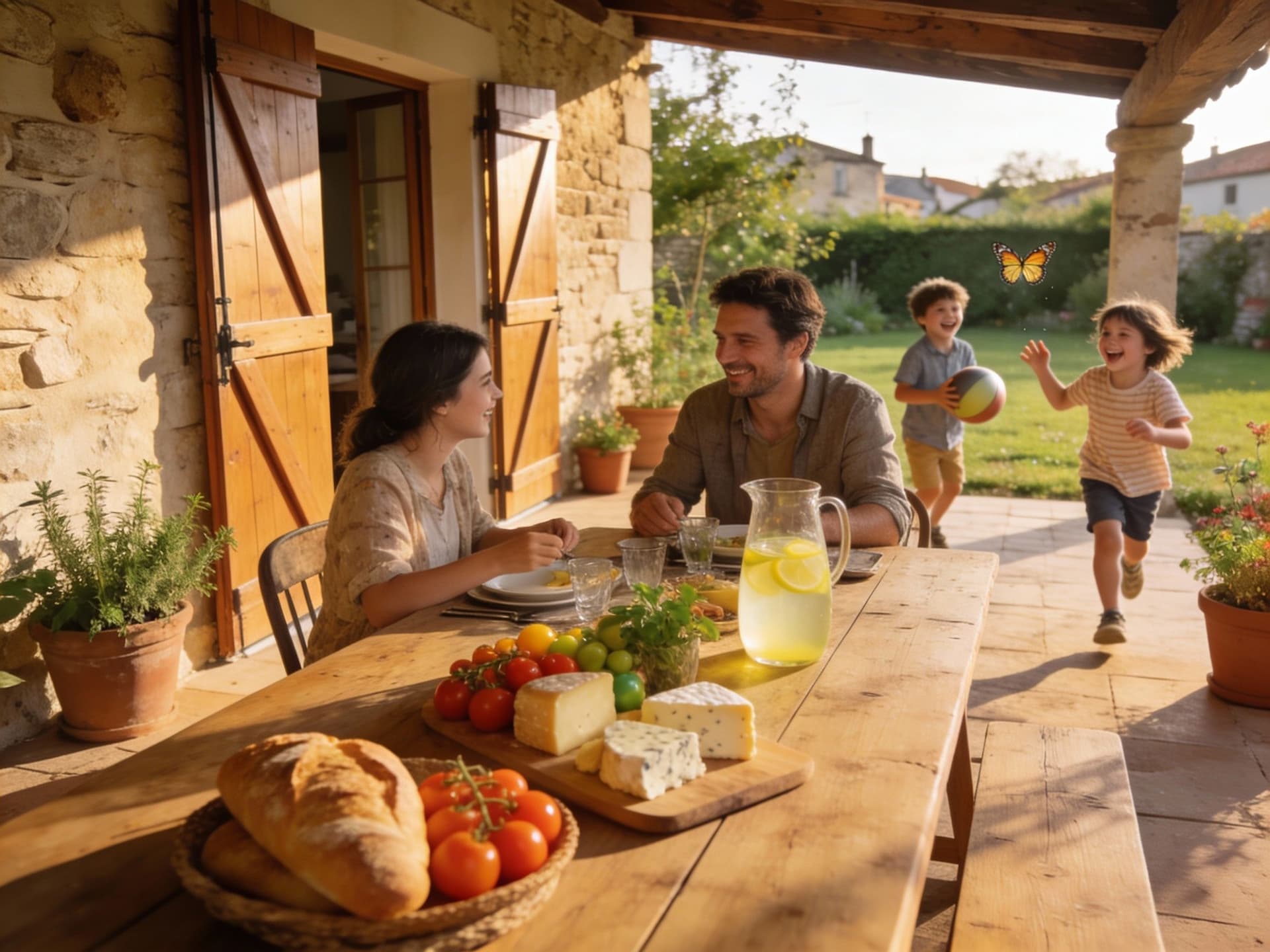
A village stone house offers garden space, independent heating systems and renovation upside; a 1920s apartment in Bordeaux gives walkability, café life and lower maintenance; a new coastal apartment provides modern insulation but less character. Match the building type to how you want to live (entertaining, rental, quiet retreats) and factor in renovation timelines — a charming fixer often needs 6–12 months and a local architect to comply with planning.
- Practical steps that blend lifestyle and market sense
1. Map three lifestyle non‑negotiables (markets, transport, climate). 2. Check INSEE regional price indices and local notaires’ barometers for recent transactions. 3. Visit neighbourhoods in two seasons (summer and off‑season) to assess seasonality. 4. Ask agents for street‑level comparables and energy diagnosis (DPE) reports. 5. Factor renovation time and local planning constraints into your closing timeline.
Insider knowledge: expat lessons and seasonal surprises
Expats often tell the same story: we chased Paris and ended up loving a canal in Nantes, or we wanted the Riviera and found joy in hill towns like Mougins. Two lessons stand out — season matters, and so does local rhythm. Coastal towns feel different out of season; markets and restaurants shrink, and that affects short‑term rental income but can improve year‑round community life.
Cultural integration, language and social life
Making friends in France often happens at markets, local associations and through children’s schools. Learning basic French opens doors quickly — neighbours appreciate effort and small courtesies. Local mayors’ offices (mairies) and syndicats are useful early contacts for planning and community information; they’ll tell you about noise rules, market days and festivals that shape daily living.
- What long‑term lifestyle buyers should watch
• Energy performance certificates (DPE) — renovation can be costly but adds value • Local school quality and access if you plan to stay long term • Transport links for repeat travel (TGV, regional airports) • Local demand seasonality if you plan to rent • Heritage constraints that affect extensions and renovations
France will always include headline cities that attract attention, but the clearest opportunities for international buyers are often off the main marquee: hill towns on the Riviera, market‑centred villages in Occitanie, and regenerated riverside districts in western cities. Use national statistics to orient yourself, then zoom in to street‑level comparables and seasonal visits. If you want help matching a lifestyle brief to market reality, work with an agent who provides both local data and a lived sense of the neighbourhood — that combination is where smart buys begin.
Danish relocation specialist who has lived in Barcelona since 2016. Helps families move abroad with onboarding, schooling, and local services.