Summer House‑Hunting in France: Why the Season Misleads
Summer viewings in France often overstate demand and lifestyle: use off‑season checks and quarterly INSEE/Notaires data to buy for the year, not the holiday.
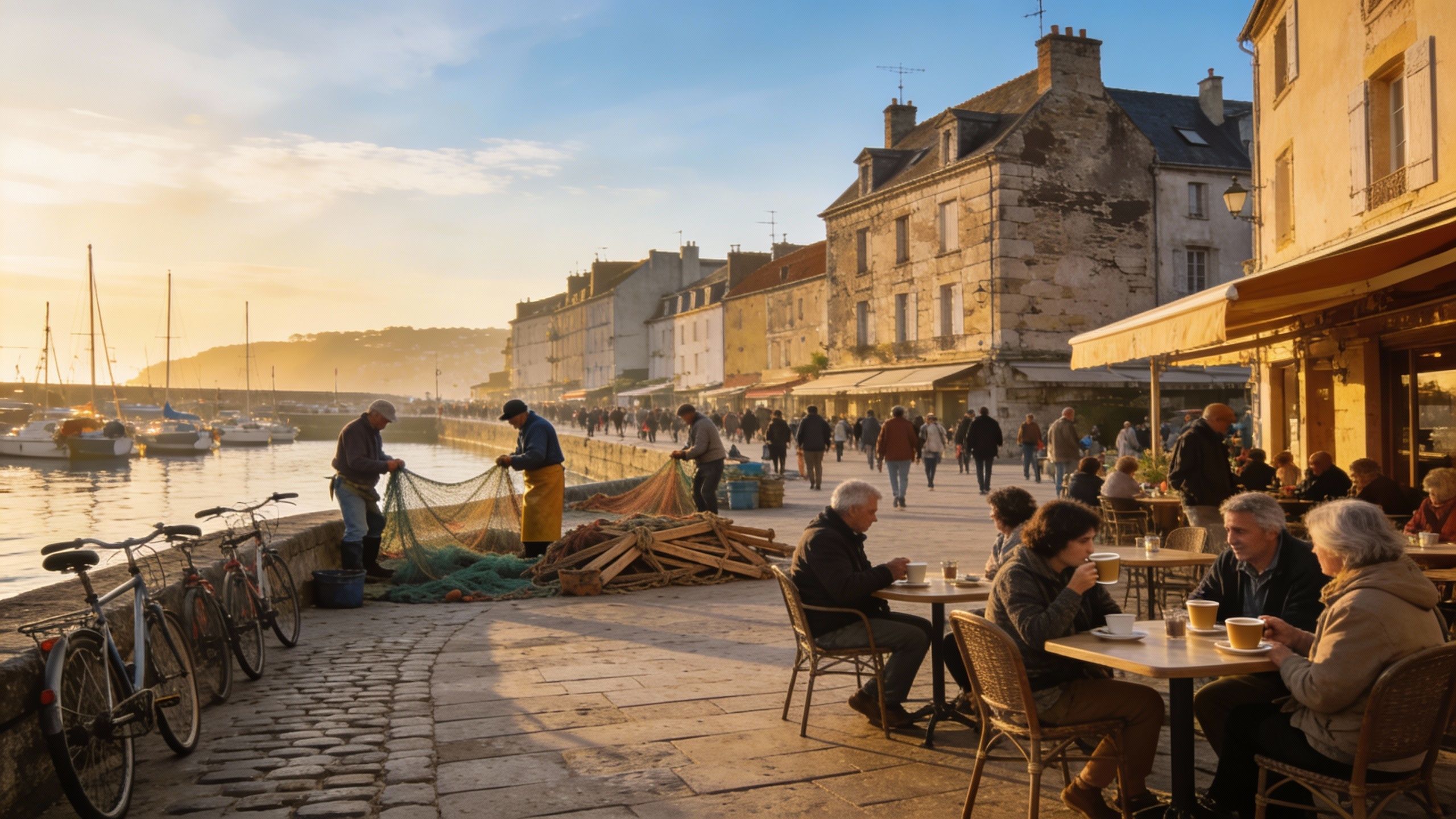
Imagine a late-June morning in Aix‑en‑Provence: market stalls brim with figs, a barista pulls espresso on Rue Espariat, and a real estate agent is fielding three viewing requests for the same 18th‑century pied‑à‑terre. That lively summer image is why many international buyers start their French search in high season. But the sunlit bustle masks market distortions — higher asking prices, tourist‑biased impressions of neighbourhood life and a thinner pool of negotiable stock. This piece argues a counterintuitive point: summer house‑hunting in France often misleads buyers who want long‑term lifestyle value, and a small shift in timing and method can change the outcome dramatically.
Living the French life — what the market mood hides
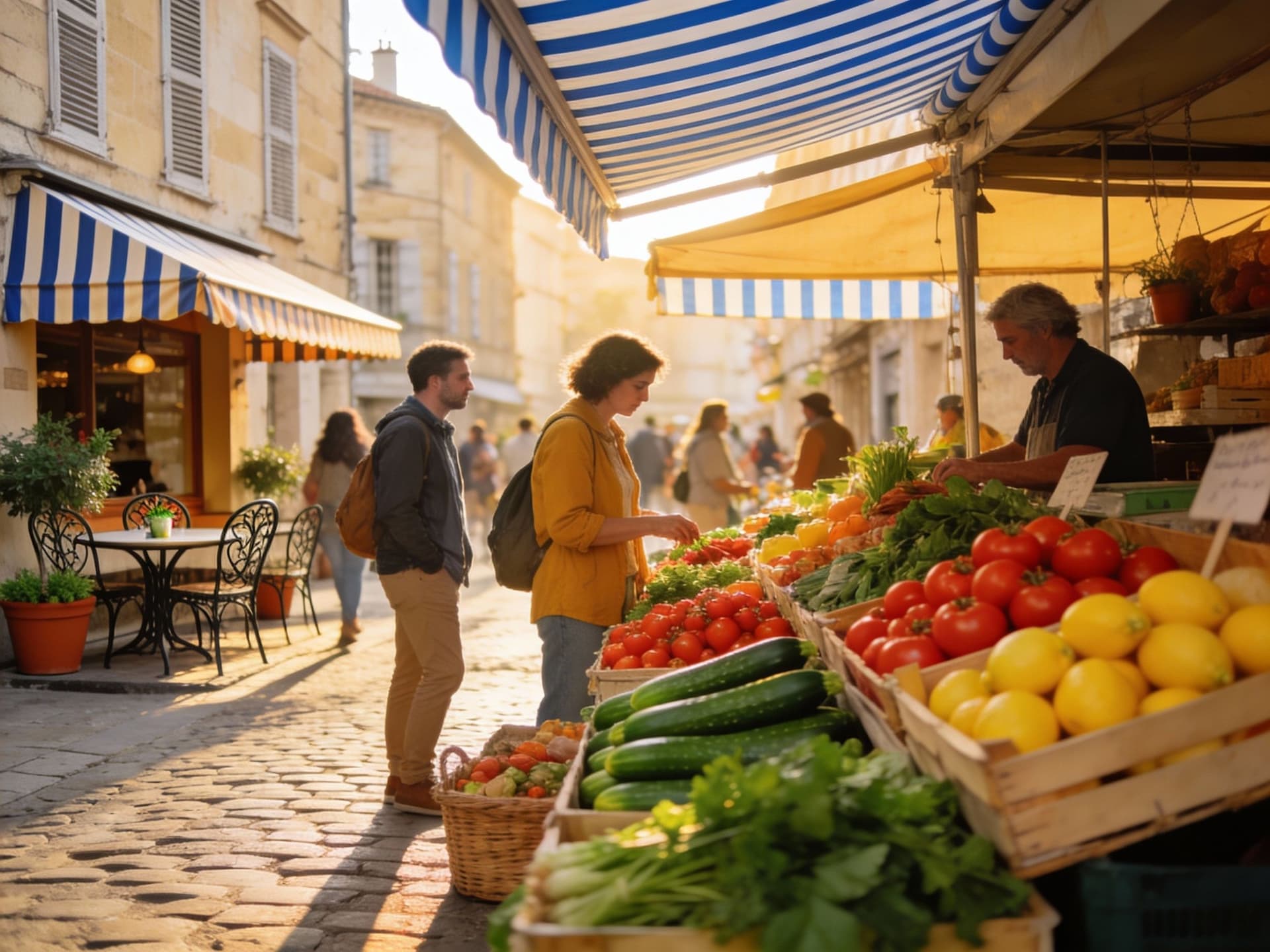
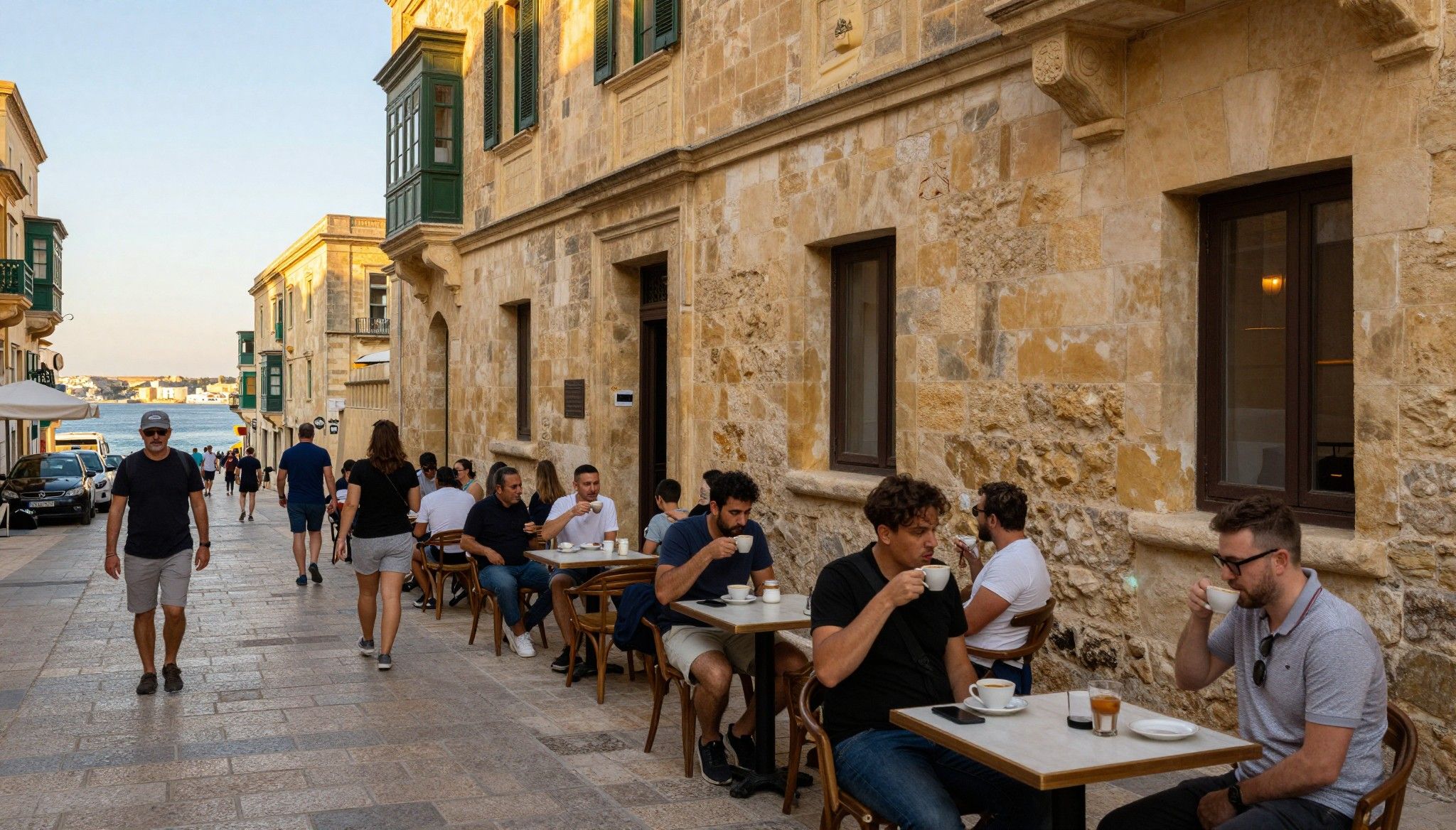
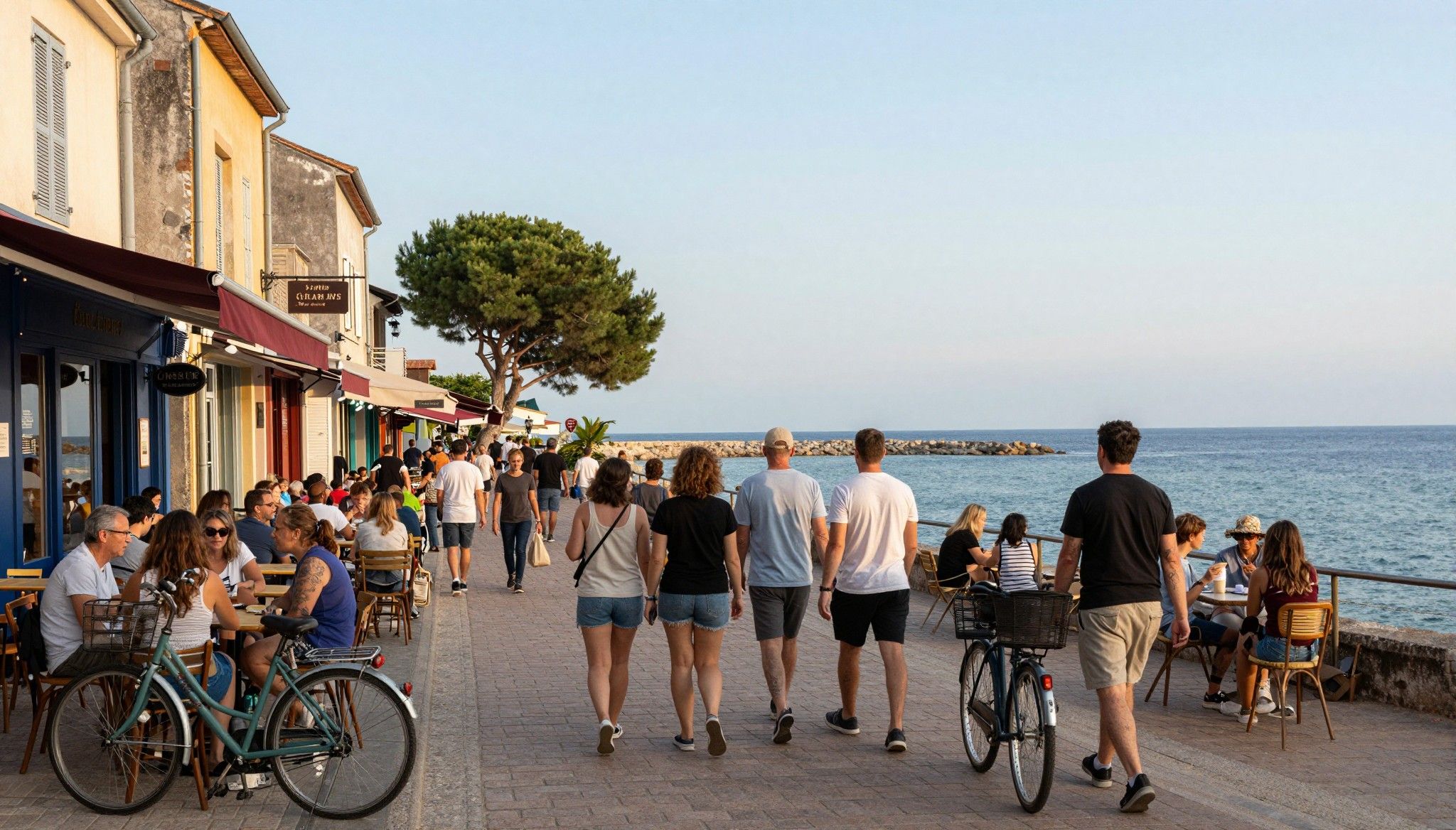
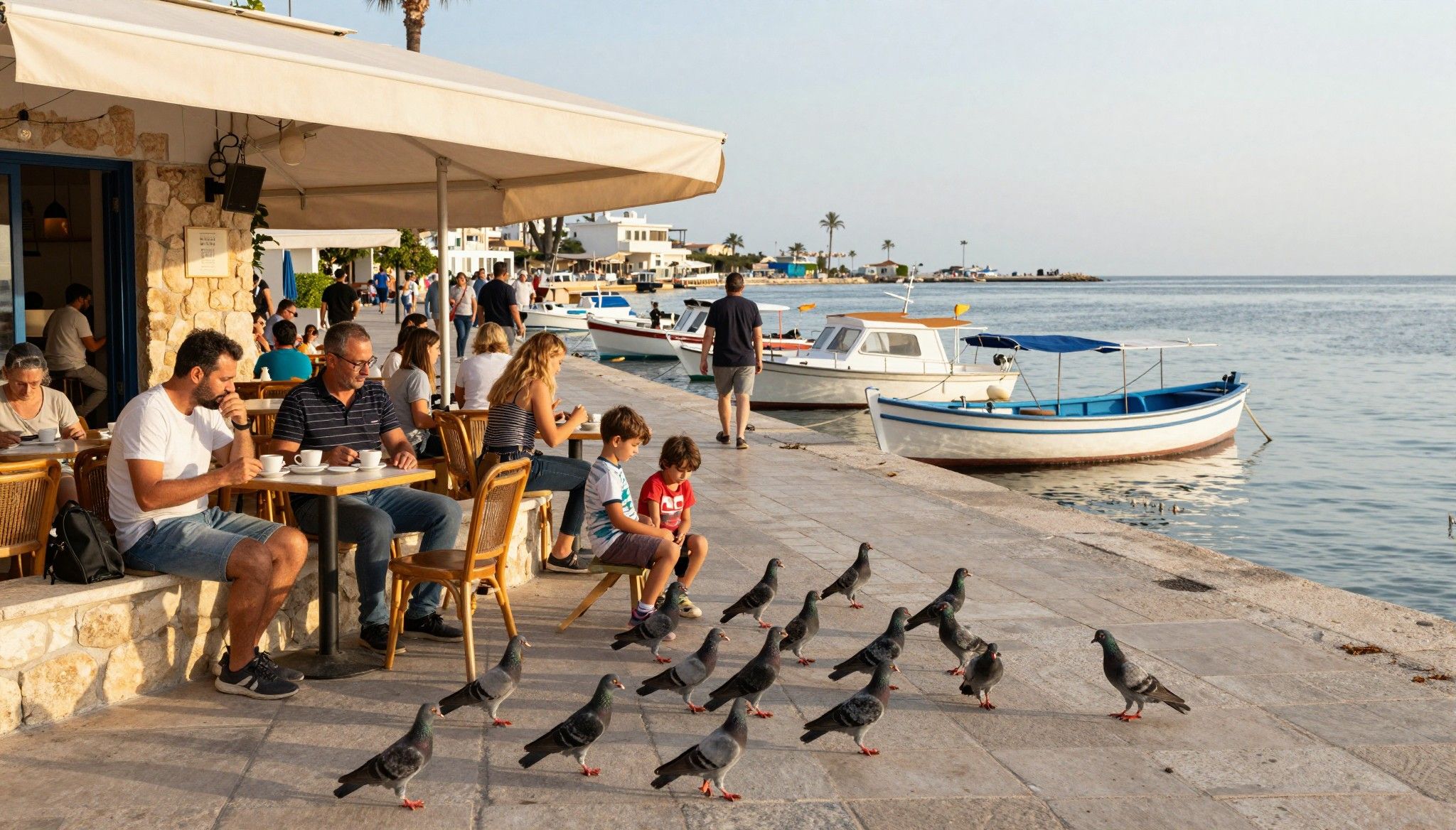
France is a mosaic: Parisian boulevards, village squares in Dordogne, and the small harbours of the Île‑de‑Ré each keep their own tempo. In summer you meet the place at its loudest — terraces full, weekly markets extended late, coastal promenades busy — which feels like a guarantee that it’s the right moment to buy. Yet market reports show recent volatility: after multiple quarters of decline, prices and transaction volumes began to stabilise and then inch upward in early 2025, masking large regional differences. Read the data alongside the rhythm of life and you’ll see why a high‑season snapshot can exaggerate both demand and value.
Neighbourhoods that feel different in summer
Walk Marseille’s Le Panier in August and you’ll find pop‑up galleries and tourists clustered around Vieux‑Port; in October the same lanes belong to local artisans and older residents. Seasonal atmosphere affects perceived desirability and can push sellers to price for temporary demand. When assessing a neighbourhood, note who shops at the market on a weekday in October, not just who’s on holiday in July — that reveals the resident demographic and everyday amenities that determine long‑term livability.
Food, ritual and the year‑round lifestyle
Food is a practical lens on life in France: a neighbourhood with a matin market open year‑round signals a living community; a summer‑only market signals tourism. Picture buying at Marché des Capucins in Bordeaux on a wet Saturday versus a sun‑splashed July afternoon — the types of shops, clientele and opening hours tell you which properties will feel like home outside peak months. For international buyers who want routine — schools, medical care, clubs — the off‑season pattern matters more than the festival calendar.
- Market & lifestyle highlights to check beyond summer scenes
- Weekday market attendance (name the stallkeepers you see regularly)
- School runs and local transport at 08:00 (are buses full or empty?)
- Grocery and pharmacy hours in November (do essentials close early?)
- Noise and parking patterns outside festival weeks
Making the move: timing, types and practical trade‑offs
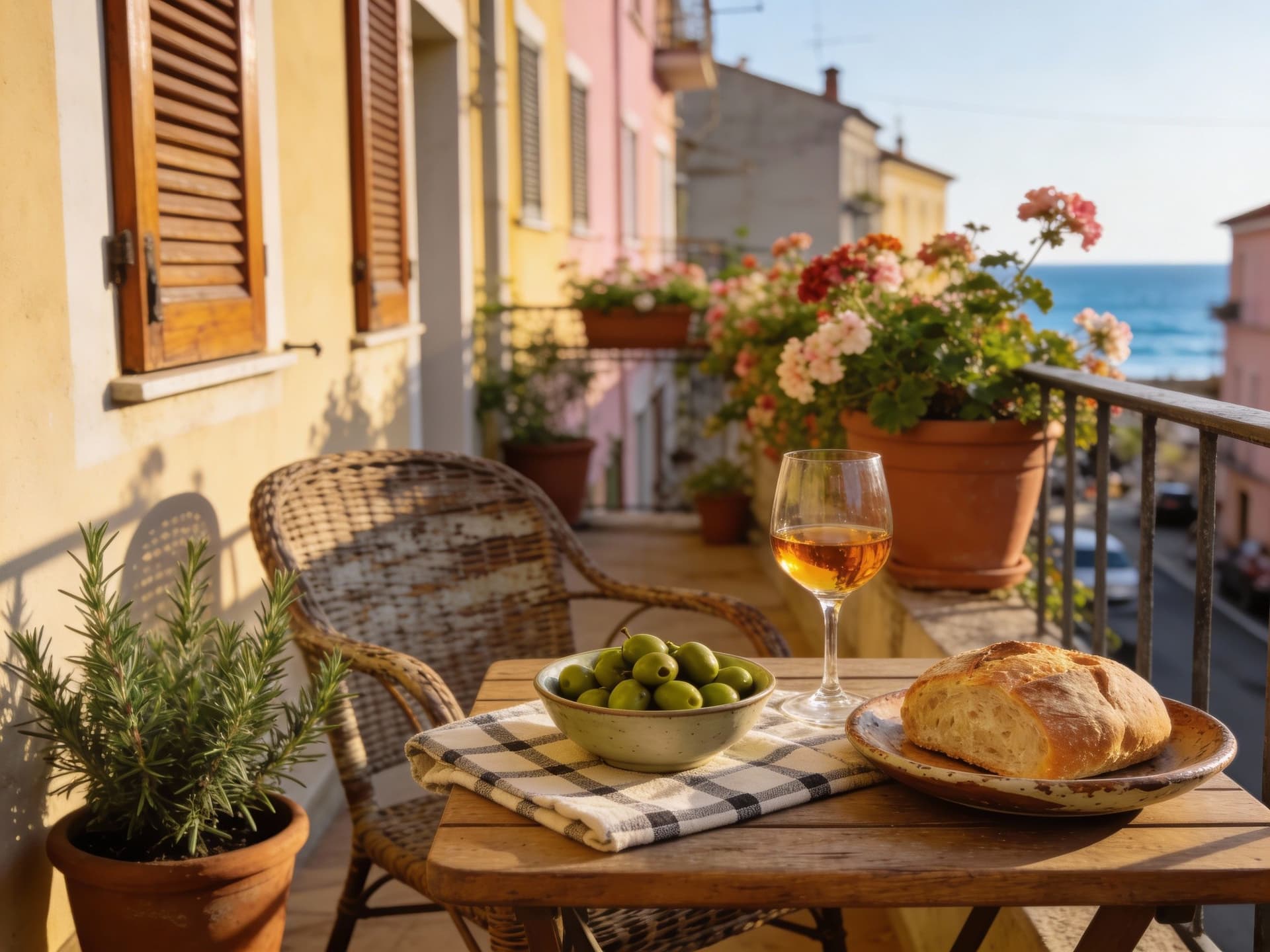
If you buy in France you should pair the sensory read of a place with hard data. National indices from INSEE show house prices resumed modest quarter‑on‑quarter growth in early 2025 after prolonged stability, while notaires report a fragile, regionally uneven recovery in transaction volumes. That means timing matters: mortgage rates, local supply and short‑term policy changes can shift negotiating power quickly. Don’t let a busy summer open‑house schedule replace a seasonally adjusted price appraisal.
Property styles and how they shape daily life
An apartment on Rue Cler in Paris gives you cafés, bakeries and a morning rhythm; a Mas in Provence offers gardens and space but brings maintenance and higher seasonal utility costs. New developments near the Côte d’Azur deliver amenities like parking and pools but often carry higher service charges and holiday rental pressure. Match the building type to the life you want: compact, walkable blocks for daily ease; country homes for gardening and calm; coastal villas if you accept tourist peaks and infrastructure strain.
How local agents and advisors protect the lifestyle vision
Work with agents who know the neighbourhood outside August: they can show school catchments, winter parking realities and typical utility bills. Ask for year‑round media (one‑year transaction logs, not just summer sales) and references from buyers who moved in autumn or winter. A French notaire or bilingual property lawyer will also flag seasonal rental clauses, syndic (condo association) schedules and any tourism‑related regulations that affect use and resale.
- Steps to avoid a summer‑bias purchase
- Schedule at least one viewing in off‑peak months (Oct–Mar) to compare noise, parking and local trade patterns.
- Request quarter‑by‑quarter transaction data for the micro‑area from an agent or the notaires index to see seasonal price swings.
- Ask the syndic or mayor’s office about planned events, tourist permits and short‑term rental registrations that inflate summer income projections.
- Include a clause in the promise de vente that allows a 30–60 day final inspection outside peak season to confirm living conditions.
Insider knowledge: what expats wish they'd known
Expats we spoke to say the surprise is rarely the property itself but the rhythm of life around it. In one account, buyers who purchased a coastal apartment in July loved the marina vibe — until November revealed closed restaurants, tighter parking and a different rental market. Data support seasonal effects: INSEE shows second‑hand dwelling prices and volumes fluctuate by quarter, and provincial dynamics differ from Île‑de‑France. Treat high‑season charm as inspiration, not evidence.
Cultural quirks that change neighbourhood choice
French social life is organised around neighbourhood anchors — the boulangerie, the mairie, the marché. If those anchors are seasonal or tourist‑driven, the place alters its identity outside summer. Learn the local calendar: school holidays, market days, saint’s day fêtes — these predictable events shape noise, traffic and service availability and should inform where you buy.
Long‑term view: how lifestyle and value align
Over five to ten years, properties that support a stable, year‑round community tend to hold value better than those priced for fleeting summer demand. Use local transaction trends (not just advertised summer prices) and ask whether nearby amenities operate twelve months a year. When lifestyle and data both point the same way, your purchase becomes both a home and a resilient asset.
Conclusion: Fall in love with the life, buy with the full year in mind. Start in summer to taste the place, but make definitive decisions after seeing it in ordinary months and consulting quarterly price data from INSEE and notaires. Ask agents for off‑season viewings, secure contractual clauses that allow off‑peak checks, and prioritise neighbourhoods with year‑round services. If you pair French everyday life with evidence — transaction volumes, price indices and local calendars — you’ll have both the romance and the rational basis to make a confident purchase.
British investor turned advisor after buying in Costa del Sol since 2012. Specializes in cross-border compliance and data-driven investment strategies for UK buyers.