Why Greece’s 'Pricey Islands' Hide Mainland Opportunity
Island headlines hide mainland pockets and neighbourhoods in Greece where lifestyle and value meet—use seasonality, local comparables and specialist agents to decide.
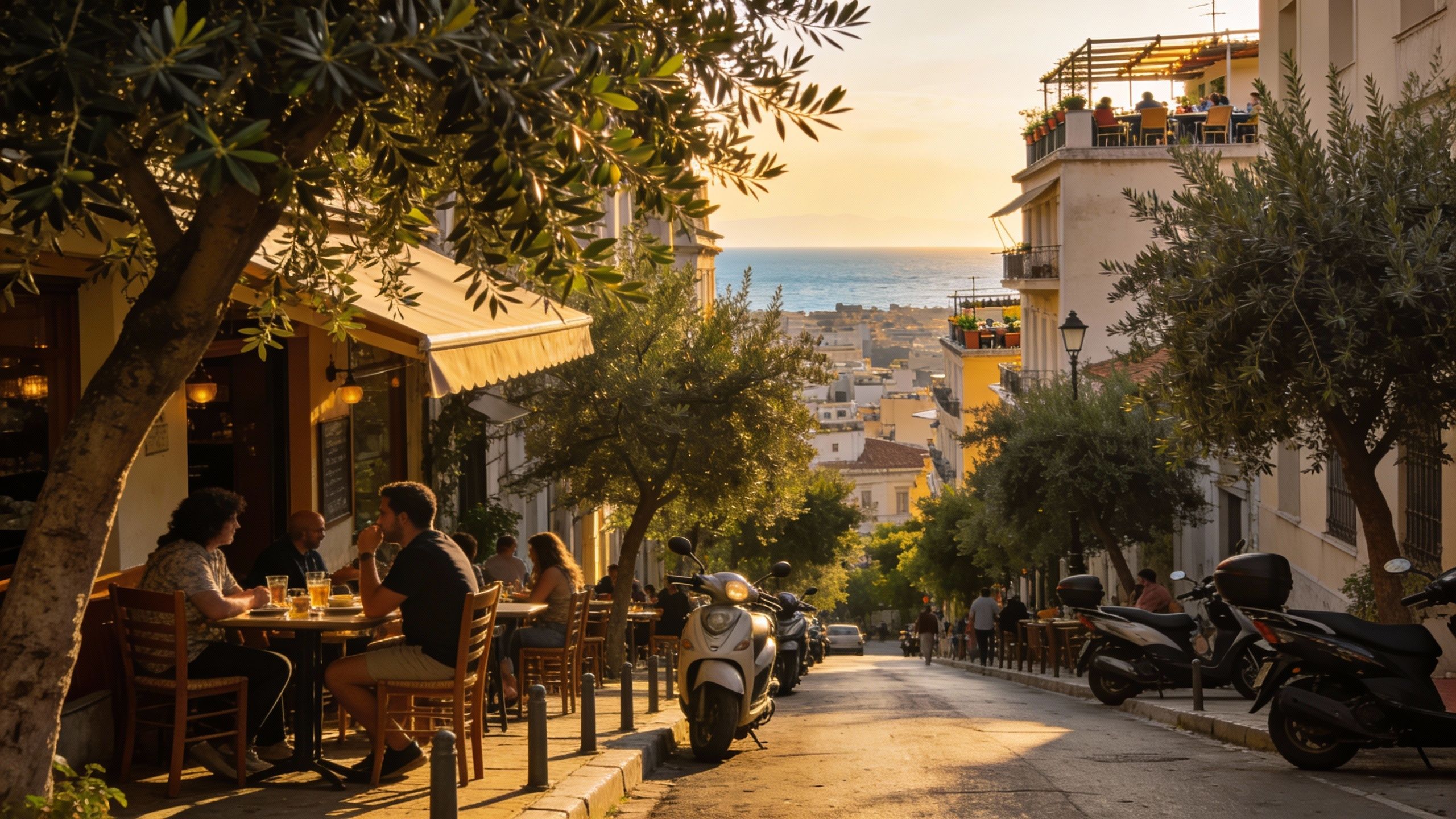
Imagine sipping an espresso at a small table on Koukaki’s pedestrian street as scooters hum by, a cluster of older apartment blocks and new rooftop terraces visible in the same glance. This is Greece: an everyday mix of sun, sea and neighbourhood rhythm where island prices glow in headlines while surprising buying opportunities pulse on the mainland and lesser‑known pockets of Attica and Thessaloniki.
Living the Greece lifestyle — close to the sea, city and market
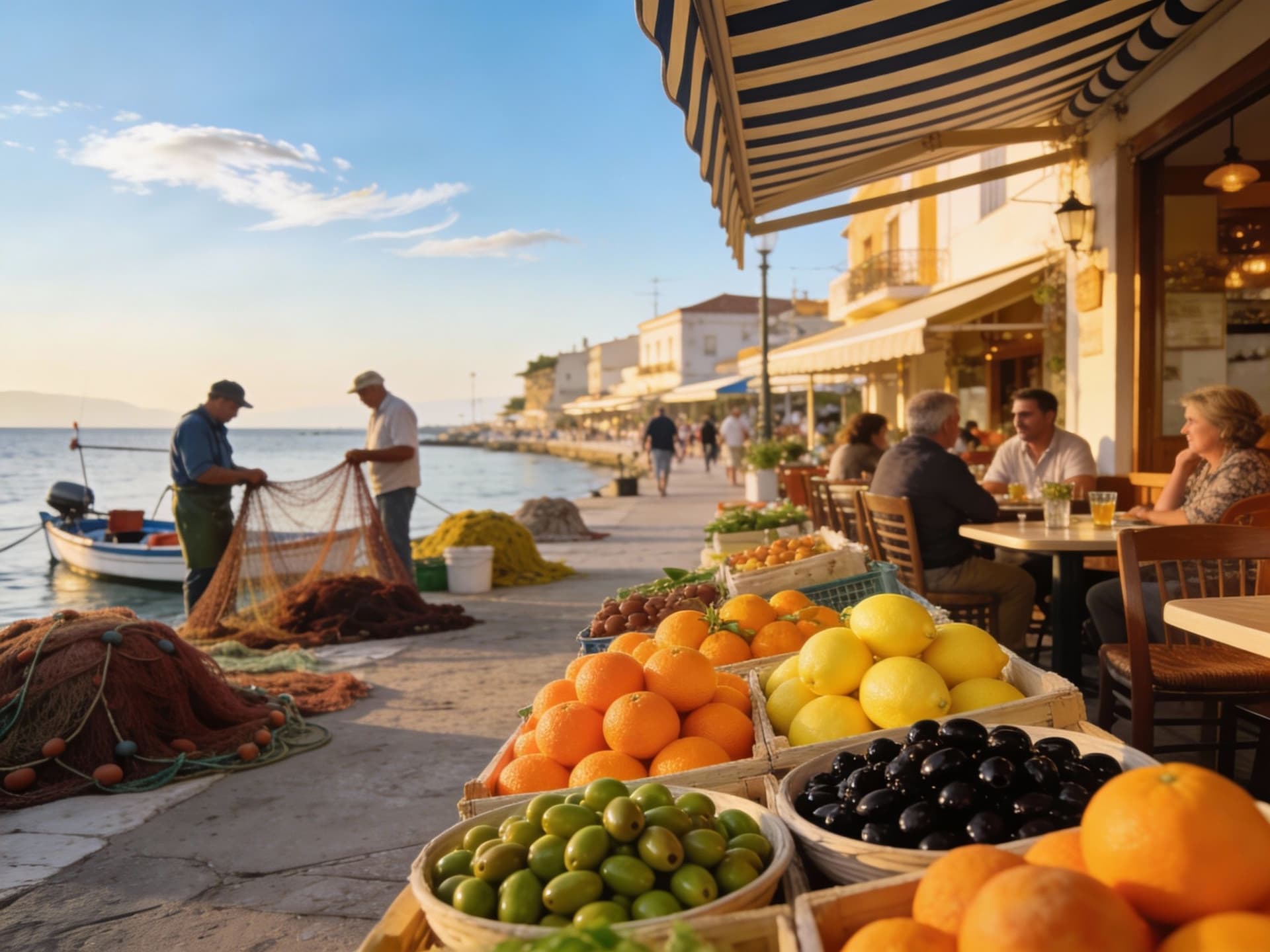
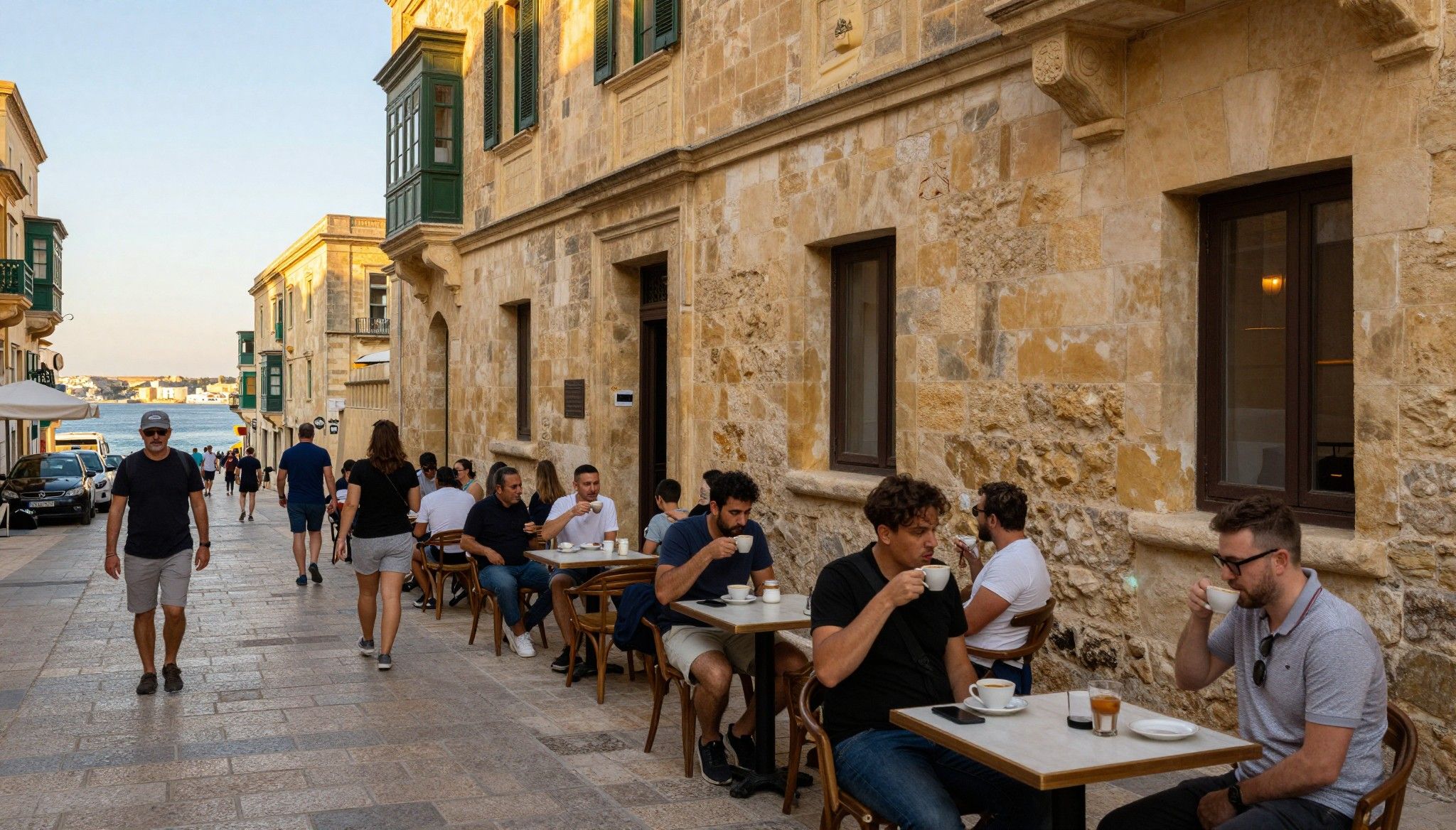
Greece moves at a seasonal tempo: markets and cafés swell in summer, local theatres and neighbourhood bars animate autumn, while winter mornings carry sea salt and stillness. In Athens, narrow streets around Psyrri and Koukaki smell of coffee and grilled fish; in Glyfada and Vouliagmeni beaches, families roll up towels and small marinas hum with afternoon life. The islands—Mykonos, Santorini—offer dramatic aesthetics and tourist velocity, but day-to-day living often lands in quieter towns: Naxos, Syros, Corfu or small mainland ports.
Athenian neighbourhoods: city heart with coastal escapes
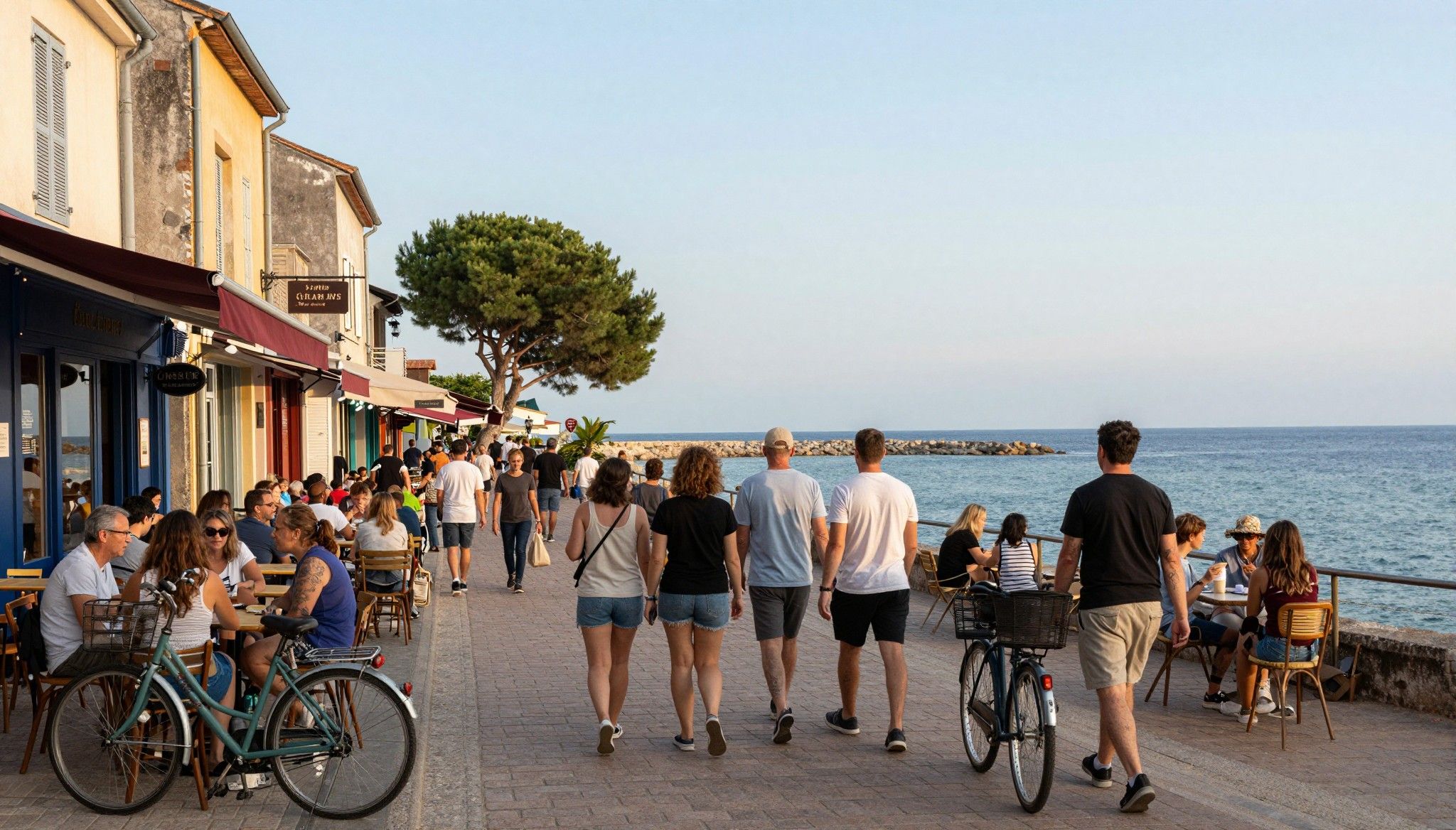
Walk from Thissio’s pedestrian paths to Glyfada’s palm-lined boulevard and you feel why buyers choose Athens: cultural density plus quick access to beaches. Koukaki and Pangrati mix renovated neoclassical blocks and boutique cafés; Voula and Vouliagmeni offer villa living within 30–40 minutes of the centre. For many internationals, that blend —city culture by day, Aegean evenings— is the deciding lifestyle factor.
Islands vs. mainland: headline glamour, hidden mainland life
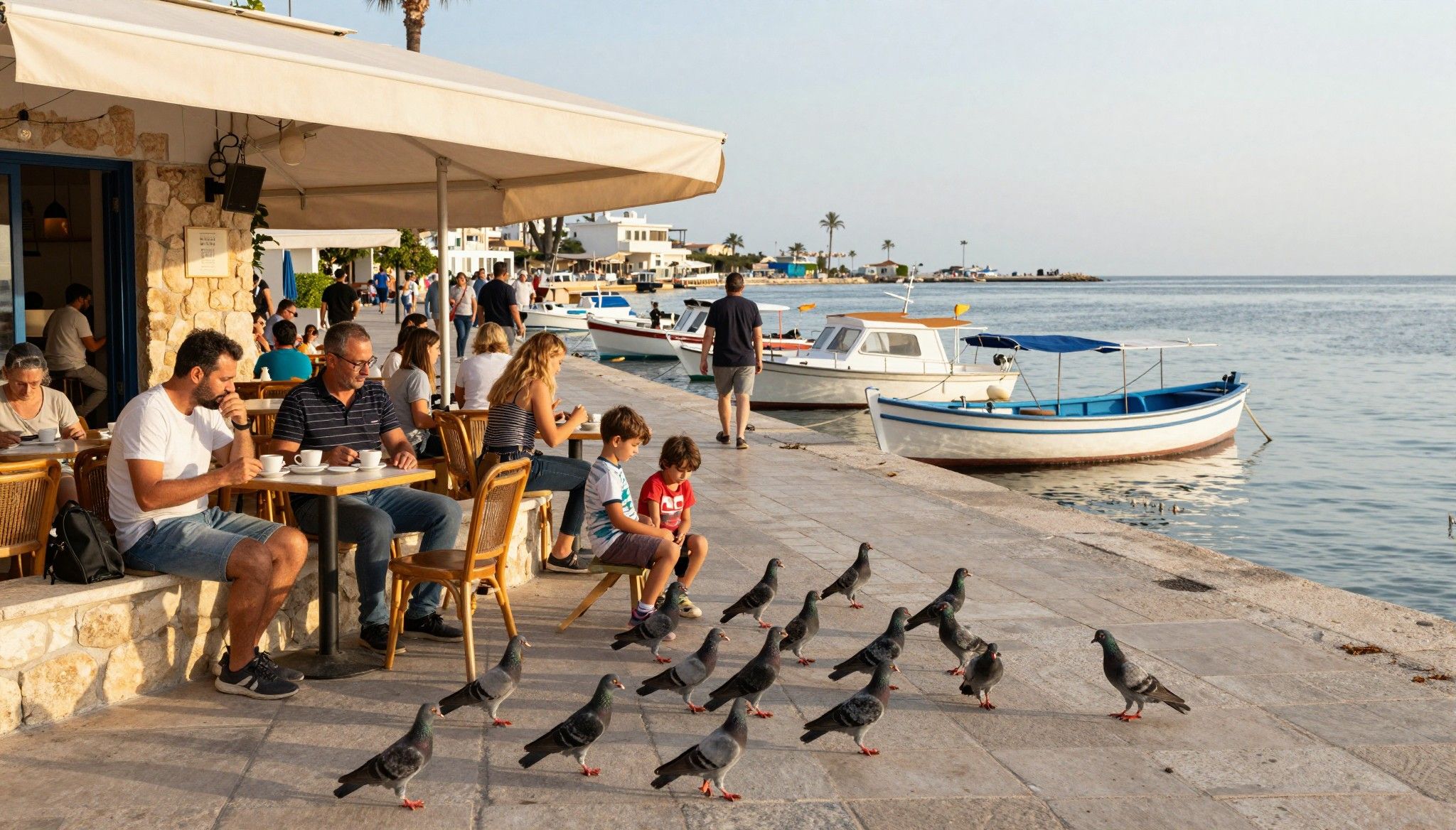
Headlines focus on Mykonos and Santorini prices; they are real, but they tell only part of the story. Lesser-known islands (Naxos, Syros) and mainland coastal towns (Halkidiki, Peloponnese) combine lower per‑m² prices with genuine local life — markets, year-round communities and better rental seasonality risk profiles for long-term owners.
- Lifestyle highlights: real places you’ll recognise
- Morning coffee at Little Koukaki’s “Taf Coffee” (example street café vibe)
- Sea swims at Vouliagmeni lake or Glyfada’s organized beaches
- Friday fish market ritual in Piraeus or the central market in Chania
Making the move: lifestyle-driven but data-led choices

Your dream should lead, but prices and trends must follow. National data show Greece’s residential prices rose sharply during 2022–2023, driven by tourist‑market demand and changes to residence incentives. Recent central bank and industry data suggest growth has started to moderate in 2024–2025, with regional pockets diverging — Athens and Thessaloniki showing robust gains while some regional coastal towns stay more moderate. Use these trends to prioritise where lifestyle and value align.
Property styles: what fits the life you want
If you want café culture and short commutes, renovated apartment blocks in Koukaki or Pangrati suit you. If outdoor living and a garden are essential, look at small villas in Voula or coastal Peloponnese towns. Island properties often prioritise terraces and views over internal space; mainland buys usually give better internal square metres per euro.
Work with specialists who match lifestyle to market data
- Steps to combine lifestyle and market intelligence
- 1. Map the seasonality of the place — ask whether the town is summer‑only or year‑round. Seasonality shapes rental income and community life.
- 2. Compare per‑m² pricing from two sources — local agencies and national indexes — to spot islands or central Athens that are priced above local replacement cost.
- 3. Inspect micro‑neighbourhood dynamics: a popular beach street can be noisy in summer but quiet most of the year; check rental calendars and local planning permissions.
- 4. Ask your agent for recent comparable sales (last 12 months) and for a breakdown of yields by month — good agents can show actual seasonal occupancy, not just headline rates.
Insider knowledge: local truths expats learn slowly
Expats often arrive enchanted and discover nuances fast: island headline prices mask monthly volatility; a waterfront tavern can mean noise in high season; bureaucracy takes patience. Data from 2023–2024 show double-digit annual increases in many urban areas, but that growth is uneven and increasingly sensitive to mortgage rates, tourism cycles and local planning rules.
Cultural integration and everyday life
Locals value relationships: small favours, introductions and trusting a neighbourhood barber or kafeneio accelerate feeling at home. Learning basic Greek phrases and attending local festivals — name‑day celebrations or panigyria — opens doors and helps you assess whether a place will sustain year‑round life or remain a seasonal backdrop.
Long‑term lifestyle and what market data misses
Market indexes capture price trends but not whether a neighbourhood will keep its baker, pharmacy or school. For sustainable living — especially for retirees or families — check local services, seasonality of medical access and community size as closely as you check €/m². In many cases the mainland offers lasting community life that headline island premiums do not.
- Red flags locals mention (and what to do about them)
- New tourist developments with little year‑round infrastructure — verify year‑round water, waste and health services before signing.
- Small print about terraces and permitted expansions — ask for the local zoning map and any pending planning applications.
- Seasonal rental dependence — request actual occupancy calendars for the past two years.
A quick data snapshot you can use today
Recent indexes show national house price levels up substantially from 2018 and continuing to edge higher into 2024–2025, while quarterly growth rates have moderated — a sign buyers are starting to test price levels. Use national index readings to benchmark local agency comparables, not as the sole decision driver.
- Steps to take next (practical, month-by-month)
- 1. Spend 10 days living in your preferred neighbourhood across a low and high season — observe services, noise, crowds and transport.
- 2. Ask an agent for a three‑point data pack: recent sales, monthly rental occupancy and local planning constraints.
- 3. Hire a local surveyor to check structural and legal encumbrances before exchange — a small upfront cost avoids major surprises.
Conclusion: Greece rewards buyers who balance romance with evidence. The islands will always headline but look beyond them: mainland coastal towns, rising neighbourhoods in Athens and Thessaloniki, and quieter islands can deliver the lived‑in community, predictable seasonality and value many buyers want. Treat lifestyle as the north star and market data as your compass — and work with local experts who can translate both into a property that actually fits the life you imagined.
Norwegian market analyst who relocated to Mallorca in 2020. Focuses on data-driven market insights and smooth relocation for international buyers.