Croatia: Buy the Life — Not the 'Golden‑Visa' Promise
Croatia offers undeniable lifestyle appeal, but property does not equal residency — plan around reciprocity, VAT/transfer tax rules and seasonal realities for a sustainable buy.
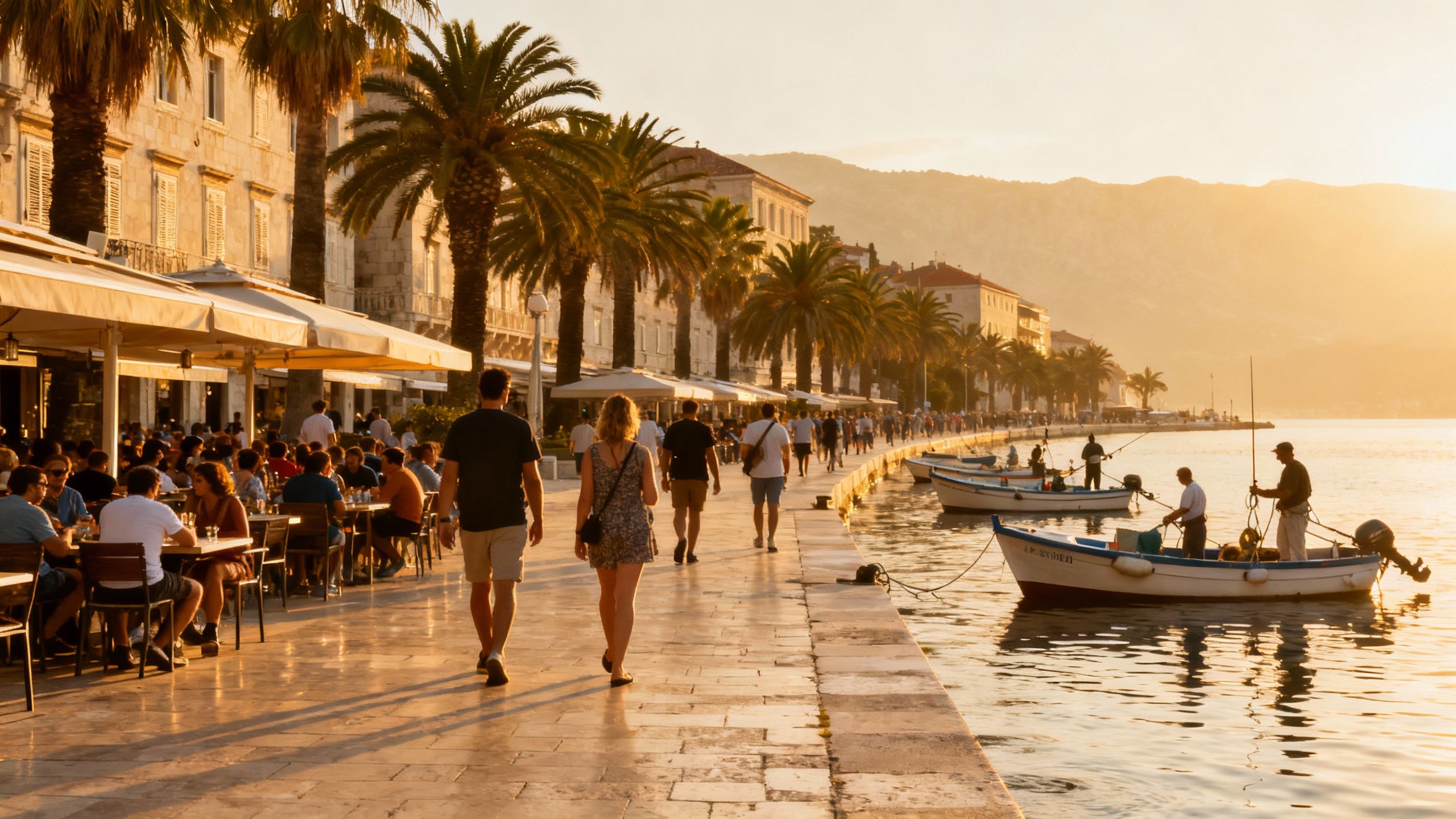
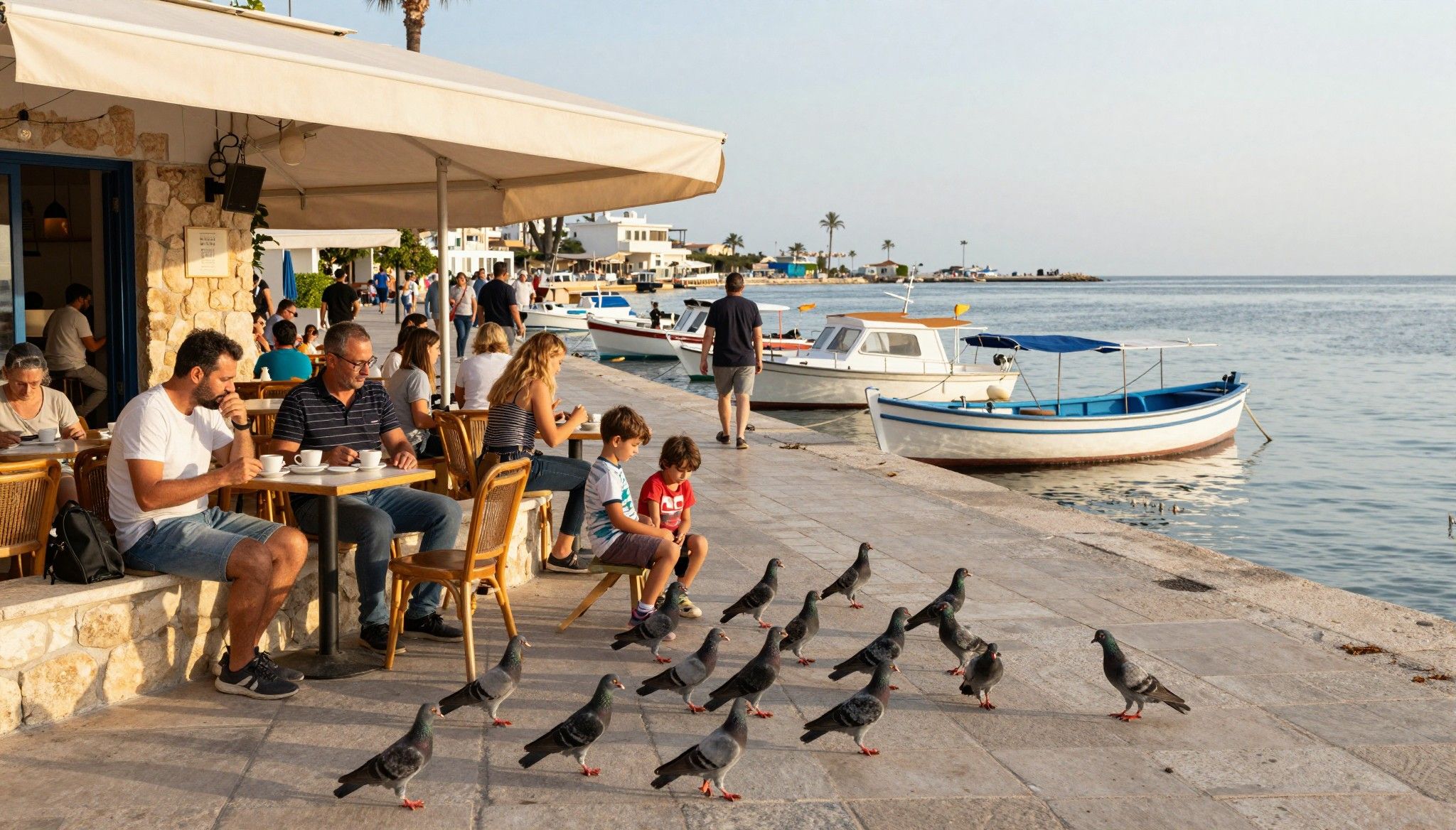
Imagine an early morning in Split: espresso steam drifting from a café on Marjan’s lower paths, fishermen hauling the day’s catch at the Riva, and a young family cycling past stone-fronted houses with laundry fluttering in the breeze. That sensory rhythm — the markets, small coves, late-night konobas — is what draws buyers to Croatia. But if you’re here because you heard “buy property = residency,” pause. The lifestyle is real; the residency promises are not automatic. This guide shows how to translate Croatian daily life into a realistic property plan that respects tax, regulation and residency realities.
Living the Croatia lifestyle
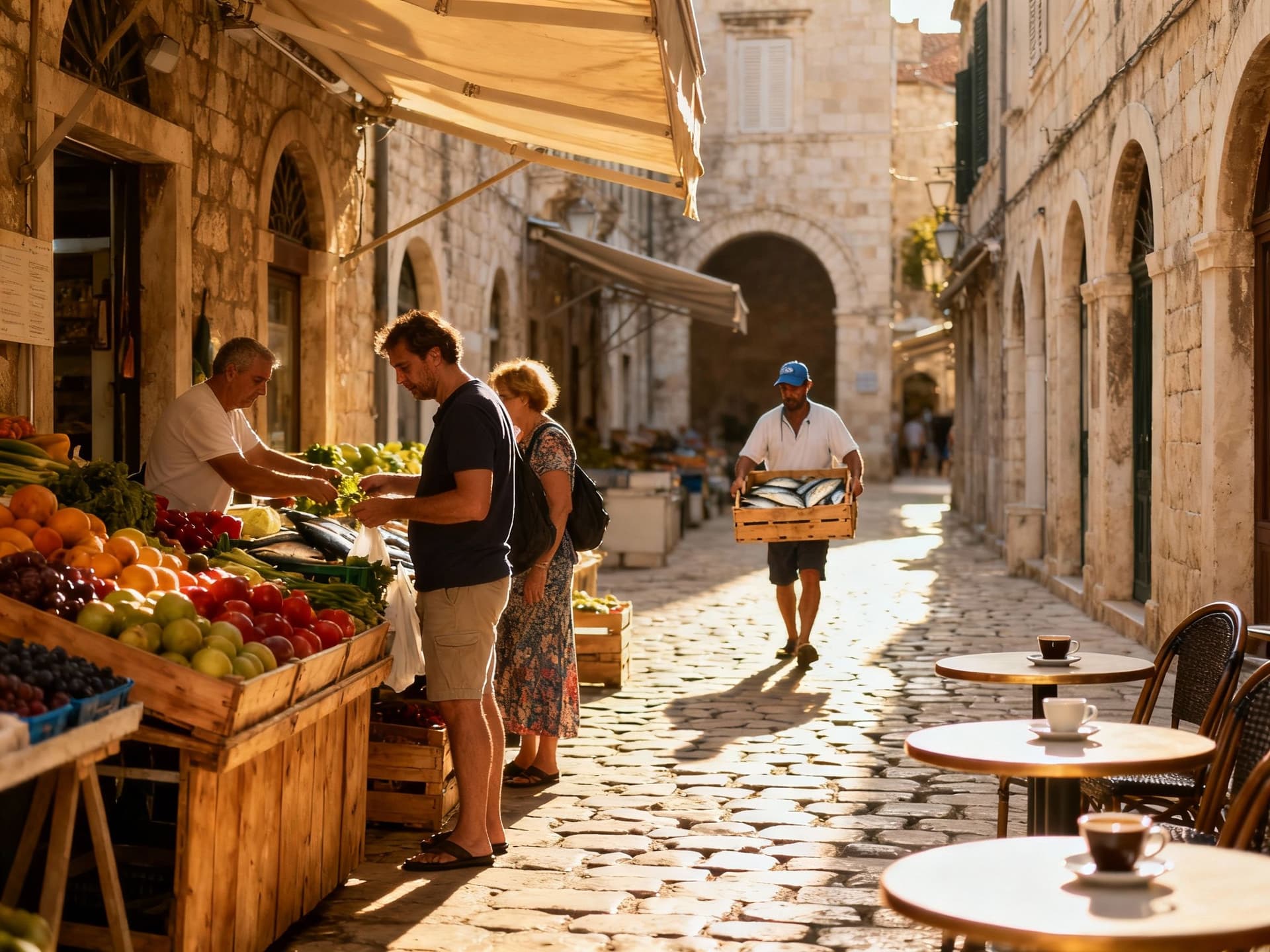
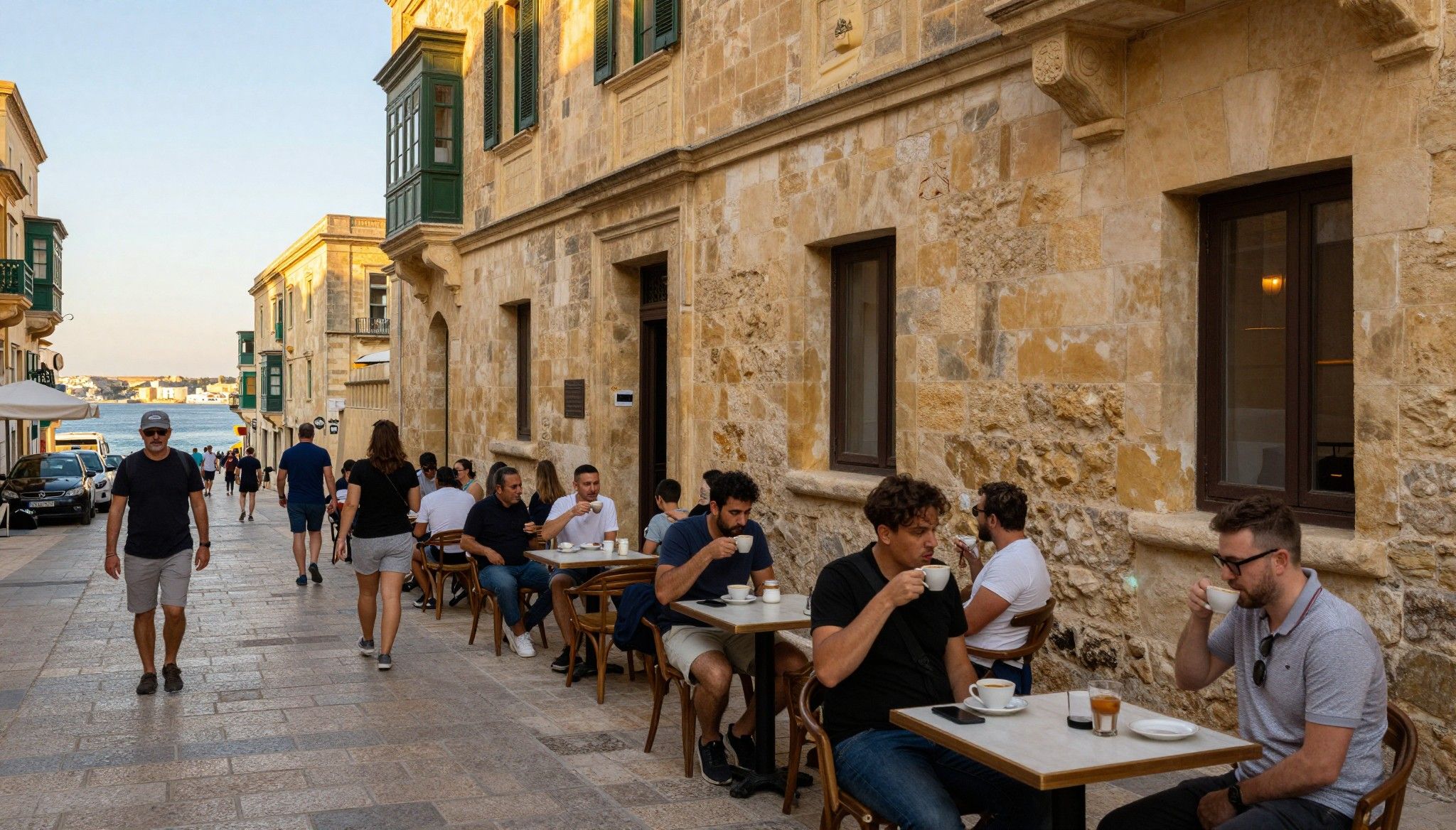
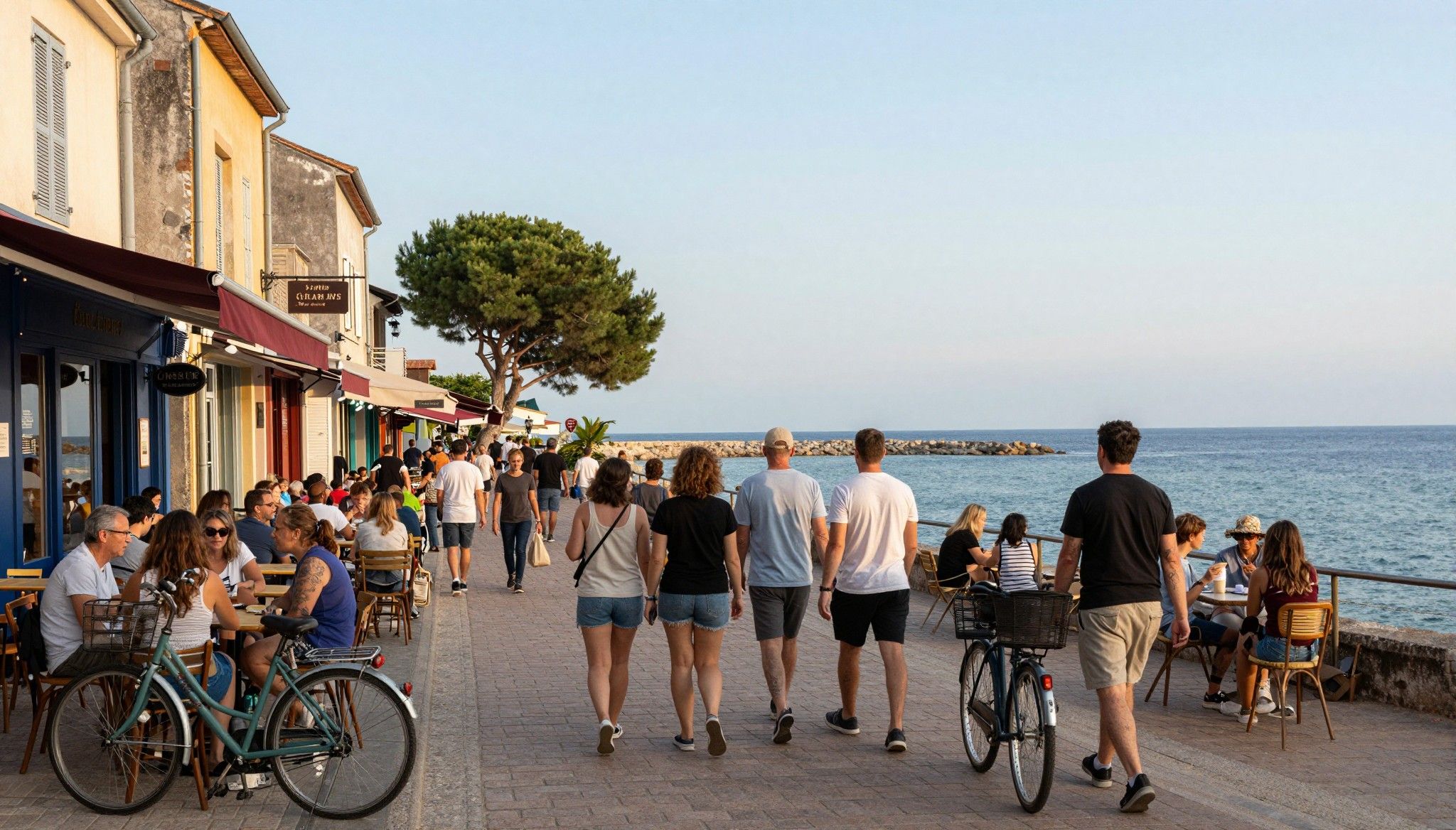
Living in Croatia feels like a lived-in postcard: narrow cobbled lanes in Dubrovnik’s Old Town, pine-scented afternoons on the Istrian coast, and weekday markets in Zadar where elders compare olive-oil notes. Life is outdoor-first — cafés and public squares are where neighbors meet and decisions happen — and seasons re‑shape neighbourhood life from full‑throttle summer to slow, local winters.
Coastlines and city pockets: which rhythm suits you?
If you crave daily seaside walks and a tourist-season energy, Split’s Bacvice or the Dubrovnik suburbs offer it. For quiet lanes, stone houses and strong local community ties, Rovinj, Hvar’s interior villages, or Šibenik’s old neighbourhoods reward slower living. Zagreb provides metropolitan services — international schools, cultural institutions and year‑round conveniences — for buyers who want city infrastructure with quick access to the coast.
- Lifestyle highlights that shape property choices
- Morning markets: Dolac Market (Zagreb) and Pazar (Split) set the weekly routine for chefs and families.
- Coastal bays: small coves near Makarska and the islands (Brač, Vis) mean seaside houses with private access — but also seasonal service gaps in winter.
- Stone-villa restorations: many buyers choose heritage homes in old towns — high character, often higher renovation complexity and rules.
Making the move: practical considerations
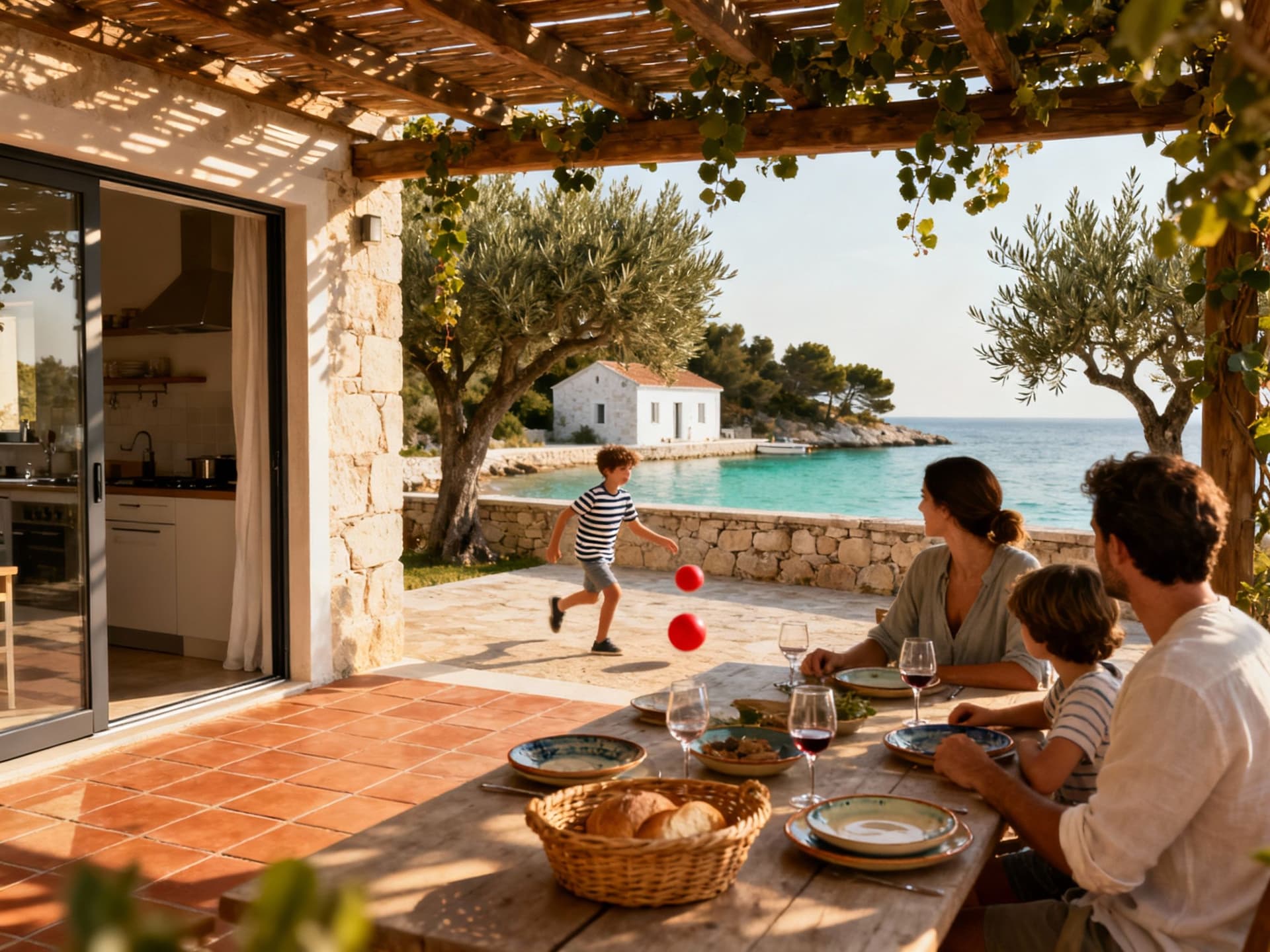
Lifestyle dreaming is the start; legal steps and taxes are the bridge. EU/EEA citizens buy under the same rules as Croatians; non‑EU buyers must secure Ministry of Justice consent based on reciprocity. That consent is usually procedural when reciprocity exists, but it adds time and paperwork — and some property classes (agricultural or protected land) remain off-limits without special routes.
Property types and what they mean for everyday life
New-build apartments in coastal towns offer lower maintenance and easier rental management, but often come with VAT considerations on purchase. Stone houses and restorations give immediate neighborhood authenticity, but expect conservation rules, variable insulation, and higher renovation bills — and that affects monthly living comfort and long‑term cost.
Work with local experts who know how to match life and law
- 1. Ask an agency for neighbourhood days: spend a morning in market squares and an afternoon by the coast to see services off-season. 2. Hire a Croatian lawyer to check land‑registry entries and Ministry of Justice reciprocity prior to committing. 3. Confirm VAT vs transfer‑tax exposure on any new build before pricing the purchase offer. 4. Budget for renovation, energy upgrades and local utility connections; older properties often need them.
Insider knowledge: residency, permits and common myths
The persistent myth: buy a villa and you get a residency or fast track to citizenship. Croatia does not operate a straightforward golden‑visa real‑estate program. Owning property can support a temporary residence application under “other purposes,” but it’s not a guaranteed or direct route to permanent residency or citizenship. Business investment routes exist for longer‑term residence but come with employment, capital and operational conditions.
Taxes and costs that reshape the real price of lifestyle
- Be aware of purchase-side taxes: transfer tax or VAT (new builds often carry VAT), plus notary and registration fees. Annual property taxes are generally low, but rental income and capital gains are taxable and must be modelled into investment scenarios.
Cultural and seasonal realities expats often underplay
Expect a slower cadence outside July–August. Many seaside services scale back in winter: restaurants close for months, building contractors slow down, and ferry schedules thin. That’s part of Croatian charm, but it directly affects property management, rental yields and living convenience.
- Red flags and practical checks before you make an offer
- Seller can’t produce a clean land‑registry extract; boundaries unclear.
- Property is in a protected zone or classified agricultural land (limits future use).
- Renovation needs exceed local contractor capacity or seasonal working windows.
What expats wish they’d known
Language, neighbours and daily life
Croatians prize directness and local ties. Learning basic Croatian opens doors for local tradespeople, market relationships and quicker problem resolution. Many expats find a small phrasebook and willingness to join community events repays itself in friendships and smoother property maintenance.
Steps to move from daydream to practical purchase
- 1. Spend time in a neighbourhood off‑season (3–7 days) to test services and noise. 2. Instruct a Croatian lawyer to check reciprocity and land registry before a deposit. 3. Confirm tax treatment (VAT vs transfer tax) on the specific unit with your advisor. 4. Build a six‑month maintenance and utility buffer for seasonal closures.
Conclusion: Croatia sells a life more than a visa. If you come for the breakfasts on the Riva and the off‑season quiet coves, build your purchase around that life. Work with local legal counsel and agencies that understand reciprocity, VAT/transfer tax distinctions and seasonal realities. That way you secure both the lifestyle you love and the regulatory clarity that keeps it sustainable.
Norwegian market analyst who relocated to Mallorca in 2020. Focuses on data-driven market insights and smooth relocation for international buyers.