How Croatia’s Lifestyle Shapes Tax & Buying Choices
Croatia’s coastal charm meets shifting tax rules: balance lifestyle picks (neighbourhoods, markets, seasons) with VAT, transfer tax and residency realities.
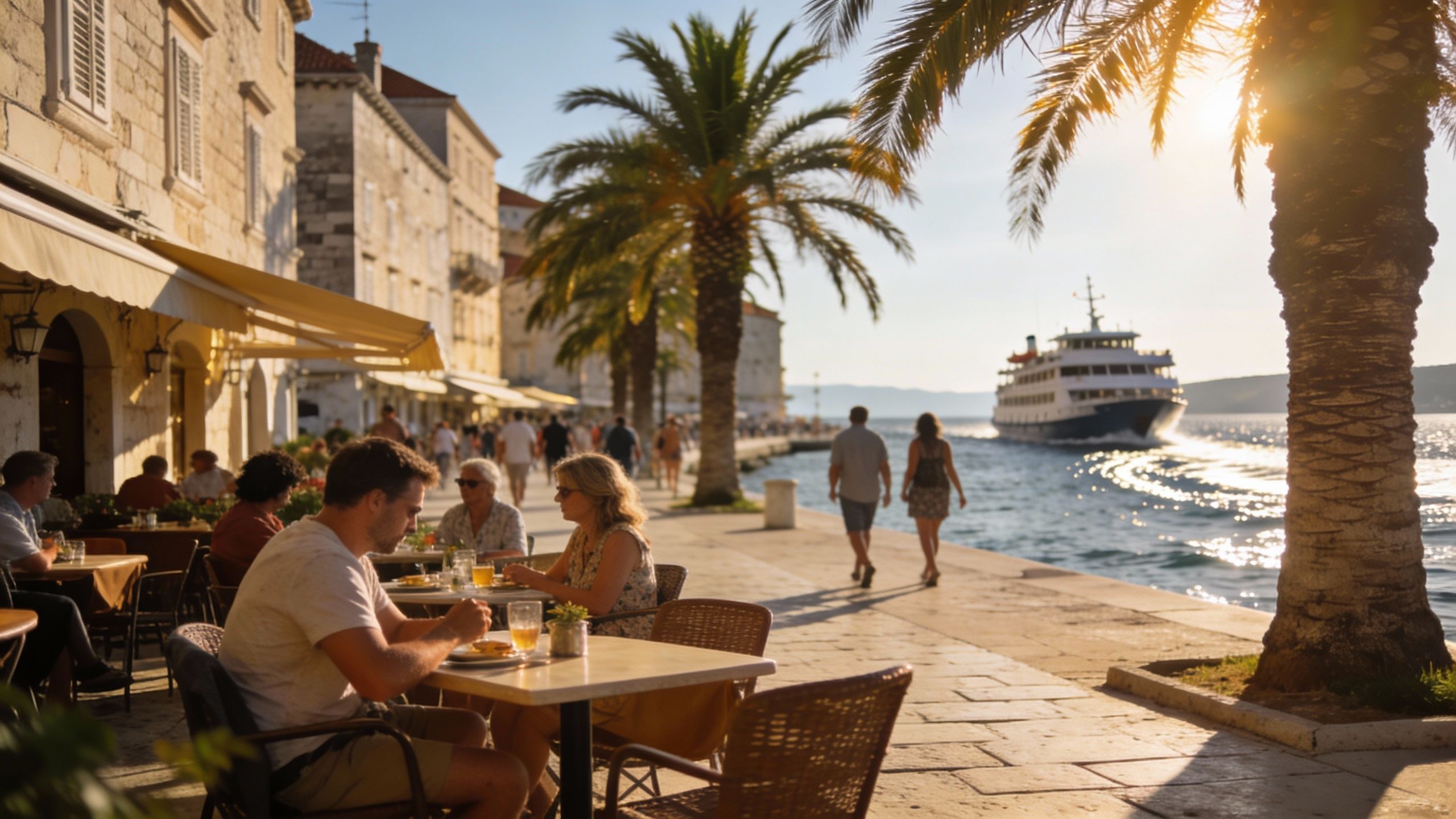
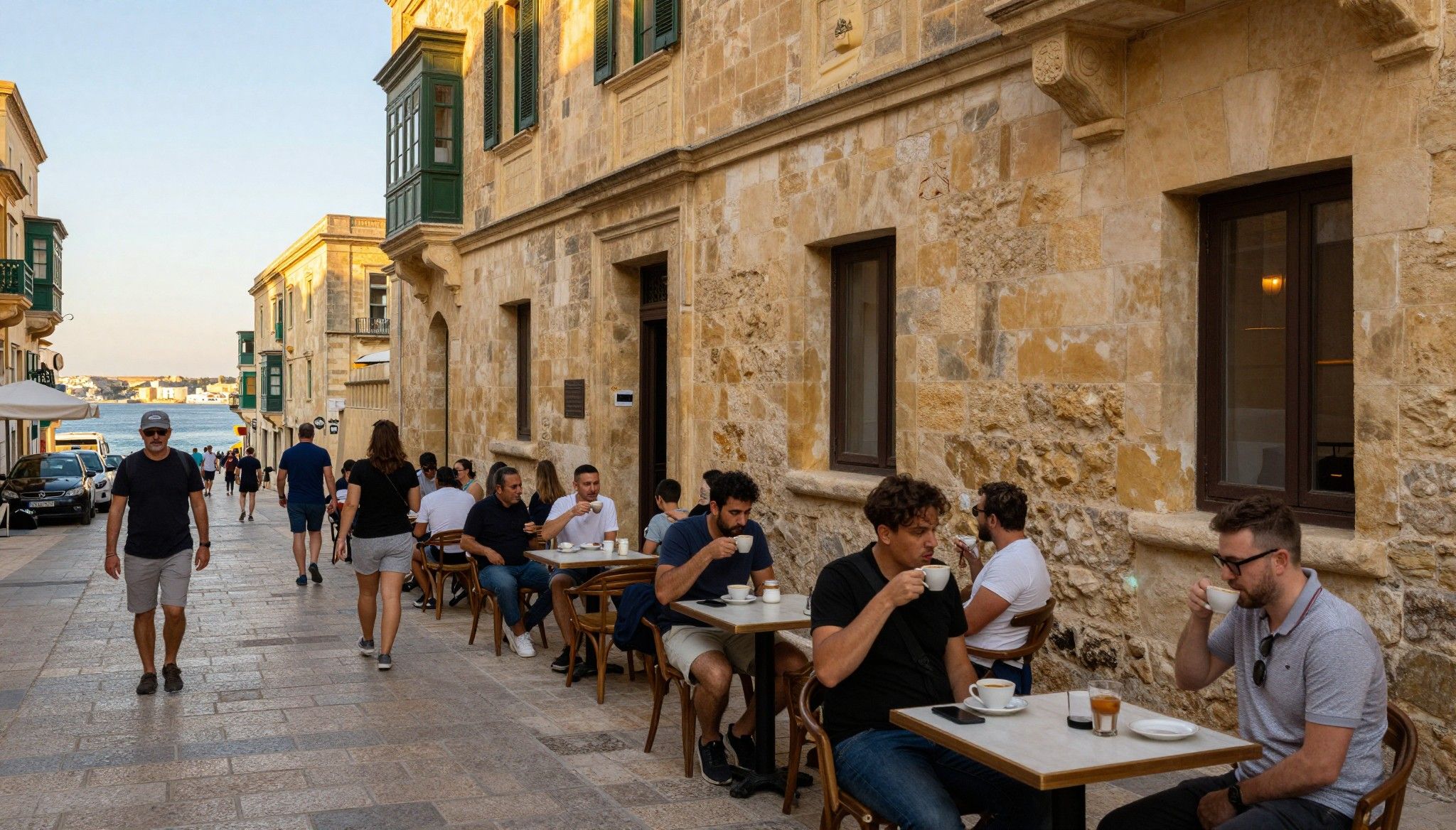
Imagine sipping an espresso under the plane trees of Split’s Veli Varos, then walking five minutes to a pebble cove where locals launch small boats at dusk. Croatia feels like a stitched-together film of narrow stone streets, island ferries, and market stalls overflowing with olives and mandarins — and those everyday scenes shape how and where people buy homes. For international buyers, that texture is as important as tax tables: lifestyle rhythms determine demand, and demand shapes the rules you need to understand before signing.
Living the Croatian life: coast, city and slow‑time islands
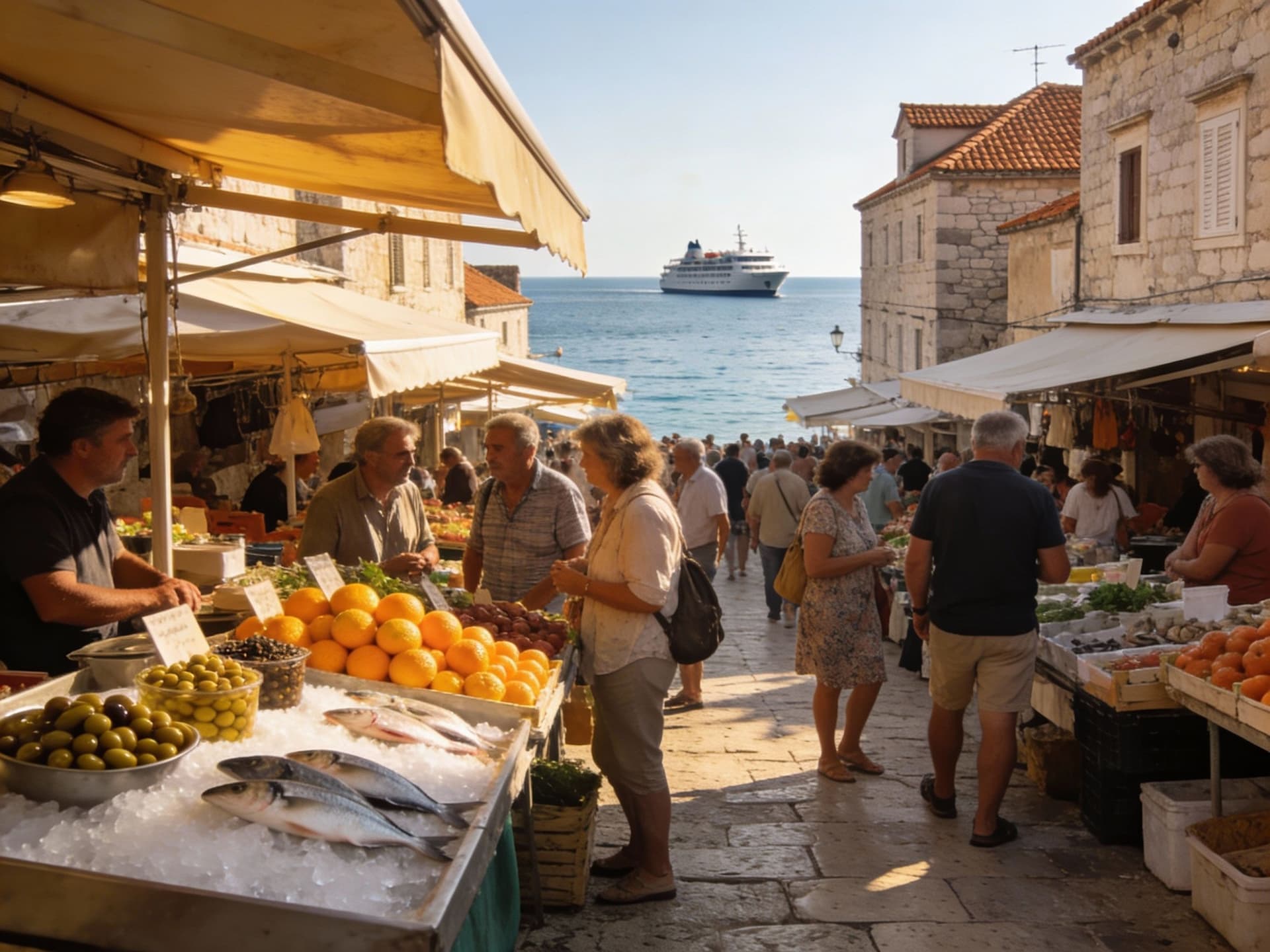
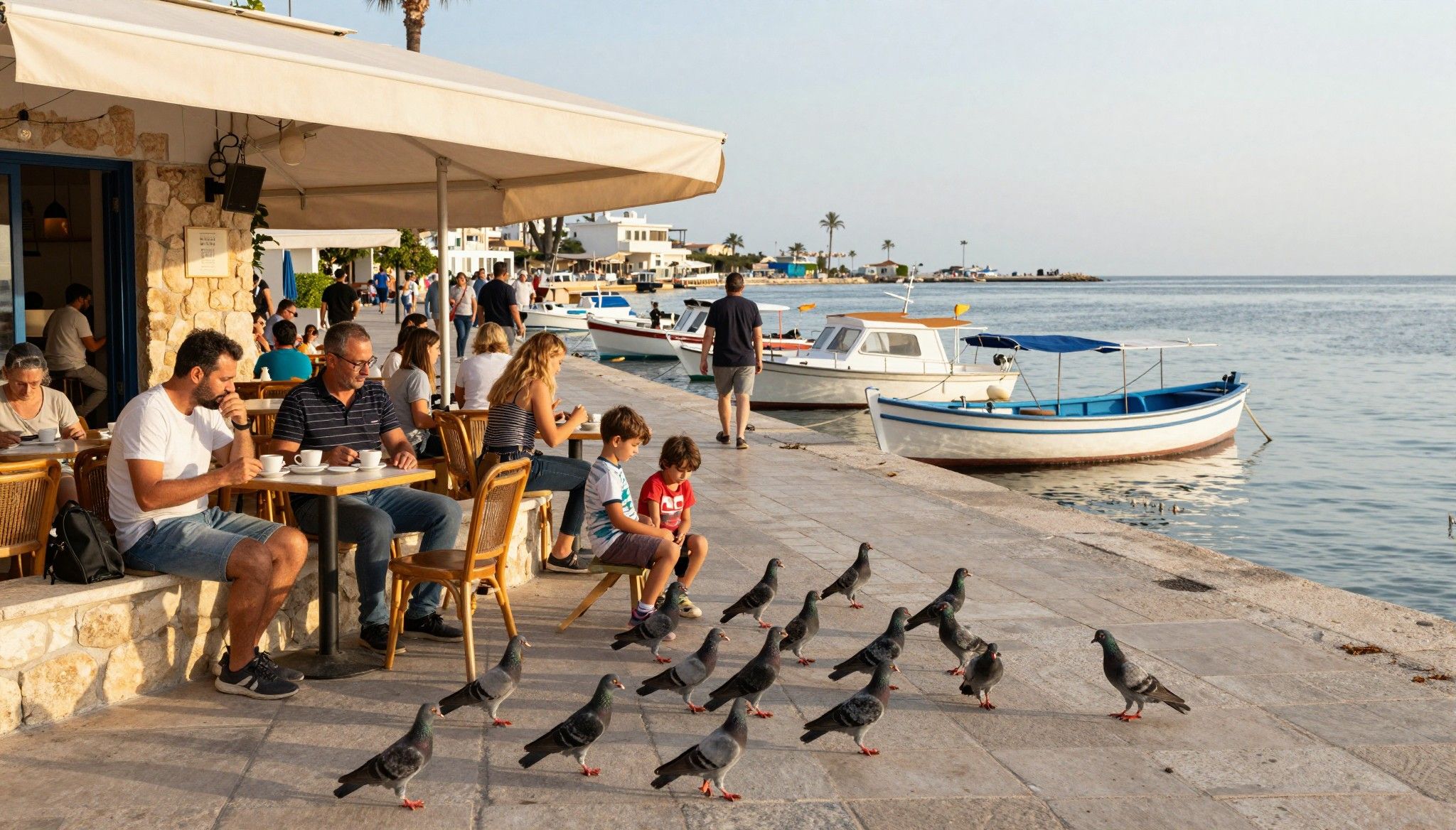
Daily life in Croatia alternates between concentrated urban energy and slow coastal time. In Zagreb you’ll find early commuters, cafés around Tkalčićeva and a calendar packed with cultural events; on Hvar or Vis the day opens late, markets set the tempo, and families gather over long lunches. Weather is a practical influence: Mediterranean summers push life outdoors from May to October; winters on the coast are mild but quieter, changing rental and living economics in obvious ways.
Zagreb & Dalmatian contrast: neighborhoods that matter
Zagreb’s Donji Grad (Lower Town) is for city‑buyers who want walkable life, galleries and international schools nearby. On the Dalmatian coast, Split’s old town and nearby Bacvice offer surfable beaches and year‑round cafés, while quieter up‑coast towns such as Šibenik or Trogir attract buyers seeking slower rhythms and slightly lower prices. I remember a British couple who swapped a cramped London flat for a renovated stone house on Brač — they said the market’s seasonality gives them the best of both worlds.
Food, markets and social life as location signals
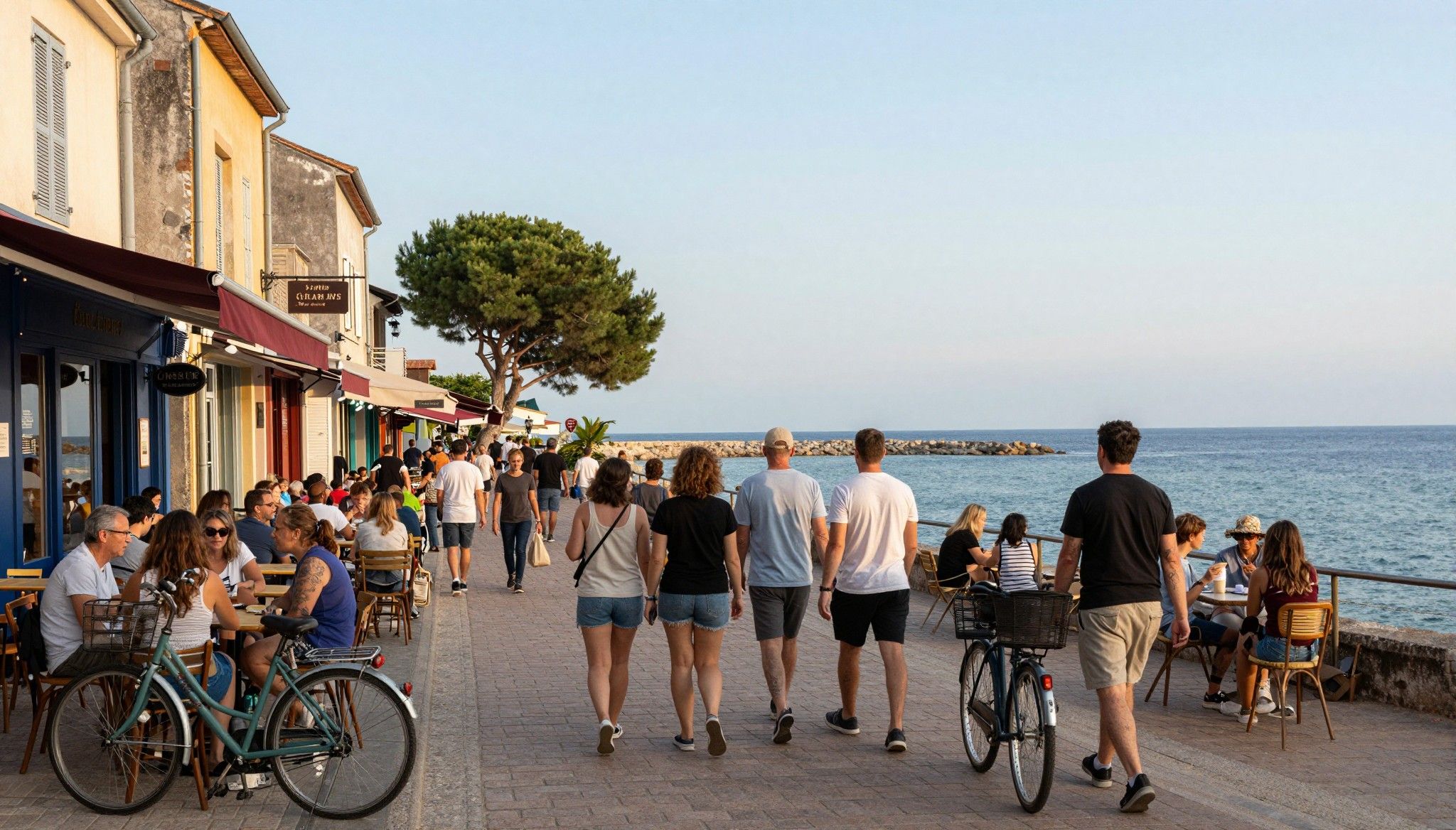
Restaurants and markets aren’t just pleasures — they’re indicators of neighbourhood life. In Rovinj, morning fish markets and sea‑front promenades mean strong short‑let demand in summer; in Varaždin, weekly markets and festivals point to stable year‑round communities. If you want a social summer but calm winters, choose central Dalmatian towns; if you want steady urban life, pick Zagreb or Rijeka.
- Lifestyle highlights to watch on property searches: - Morning market pick-up (Split green market, Dolac in Zagreb) - Everyday cafes: Tkalčićeva street (Zagreb), Riva promenade (Split) - Island ferries and small‑boat culture (Brač, Hvar, Vis) - Local specialties: pašticada, schwarzwald-style fish, pag cheese vendors - Seasonal festivals: Dubrovnik Summer Festival, St. Roko festas - Coastal microclimates: sheltered bays vs. exposed winds that affect terraces
Making the move: practical considerations that preserve lifestyle
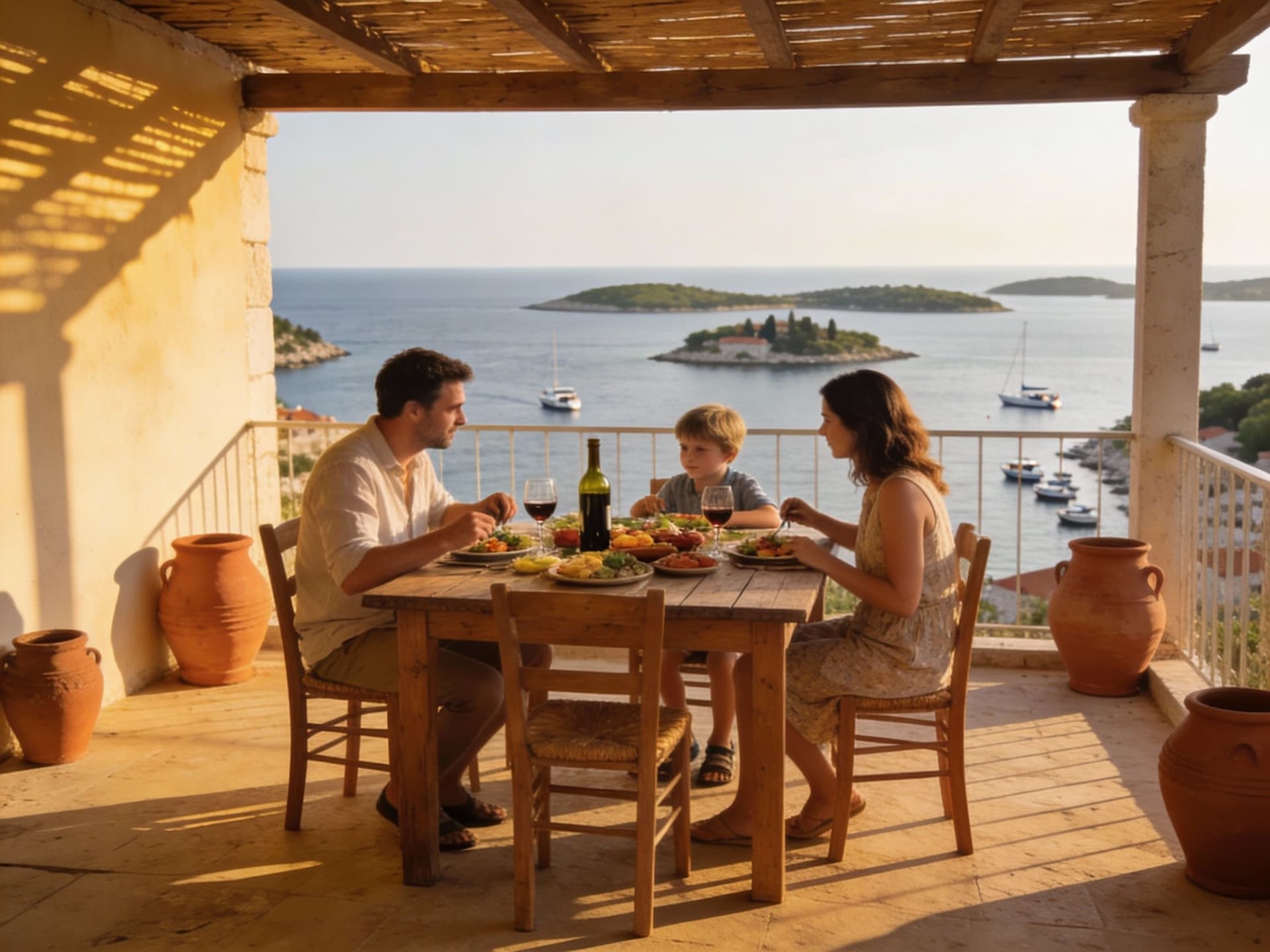
The romance of a Dalmatian terrace meets hard numbers fast. Croatia’s legal and tax framework is straightforward in places — for example, a 3% real‑estate transfer tax typically applies where VAT does not — but there are seasonal, property‑type and residency nuances that change the total cost and the practical value of a home. Below are the rules and decisions that most affect whether a seaside house becomes a relaxed lifestyle base or an unexpected administrative burden.
Property types, VAT and when you pay 25%
New-build apartments sold by developers can carry 25% VAT rather than the 3% transfer tax applied to most second‑hand transactions. That makes new construction attractive only when the build quality, certificate of energy efficiency, or rental potential offsets the higher upfront tax. Recent official data show new‑build price growth, so run the VAT vs transfer-tax calculator before favouring a shiny new apartment over a renovated stone home.
How local experts preserve your lifestyle vision
- Working with the right local team helps protect the life you expect: - A local lawyer checks title, zoning and heritage rules that affect restorations. - A notary finalises conveyancing and confirms tax liabilities. - An agent who specialises in your target neighbourhood (e.g., Split old town, Hvar) knows seasonality and rental dynamics. - An architect or surveyor evaluates sea‑salt exposure and insulation needs for coastal houses. - A property manager handles seasonal lettings to avoid having a year of empty utility bills.
Croatia’s house prices rose through 2024 and into early 2025, with the Adriatic coast recording double‑digit annual gains in some quarters. That trend means buying for lifestyle can come with capital appreciation — but it also raises the cost of entry. If you’re chasing year‑round community rather than purely summer rental income, prioritise towns with balanced occupancy rather than the busiest tourist magnets.
Insider knowledge: taxes, residency and the myths I wish I’d known
A persistent myth: "Buy in a popular coastal town and you’ll solve rental income and tax questions automatically." Reality: policy is shifting. Recent proposals and discussions aim to increase taxation on vacant and short‑term rental properties to free up housing stock. That can reduce speculative returns and favour buyers who plan to live in their property or commit to long‑term lets.
Residency and practical timelines
- Steps many international buyers follow (practical timeline): 1. Reserve with a preliminary contract and deposit (1–4 weeks) — confirm VAT vs transfer tax status. 2. Complete legal due diligence and land‑registry checks (2–6 weeks). 3. Final contract at a notary and tax registration (transfer tax or VAT settled at closing). 4. Apply for temporary residence if staying longer — property ownership helps, but it is not an automatic right for non‑EU nationals. 5. Arrange long‑term utilities, local bank account and property insurance to protect coastal exposure.
Cultural quirks that change where you want to live
Croatians value neighbourhood ties, seasonal family homes and calendar rituals. In many coastal towns, the community gathers for saint’s day festas and summer concerts — properties near squares and piers stay lively and command better short‑term rental rates. If you prefer quieter life, look inland or to smaller islands outside the main ferry lines. I’ve seen buyers traded-in seaside bustle for a quieter village and found a better quality of life despite lower nominal returns.
- Red flags and quick checks before you bid: - Heritage or protected‑zone restrictions that block extensions. - Unclear ownership shares (co‑owned land or family heirlooms). - VAT vs transfer‑tax ambiguity on developer contracts. - Seasonally high maintenance and insurance costs for seaside façades. - Municipal plans for tourist zones that can change rental rules.
Conclusion: Croatia rewards buyers who balance imagination with data. Choose neighborhoods and properties that match the life you want — morning markets, evening promenades, or quiet island time — then layer in tax clarity, local legal advice and a neighbourhood‑savvy agent. Start by mapping lifestyle priorities (schooling, festivals, ferry access) against tax outcomes (VAT vs transfer tax, property tax plans) and ask your local lawyer to run the numbers. That’s how a stone house in Zadar or an apartment in Zagreb becomes not just a purchase, but the life you pictured.
Norwegian market analyst who relocated to Mallorca in 2020. Focuses on data-driven market insights and smooth relocation for international buyers.