How Croatia’s Property Tax Shift Reframes Coastal Buying
How fiscal change and rising coastal prices reshape where to buy in Croatia — marry lifestyle choices with tax strategy to protect value and daily life.
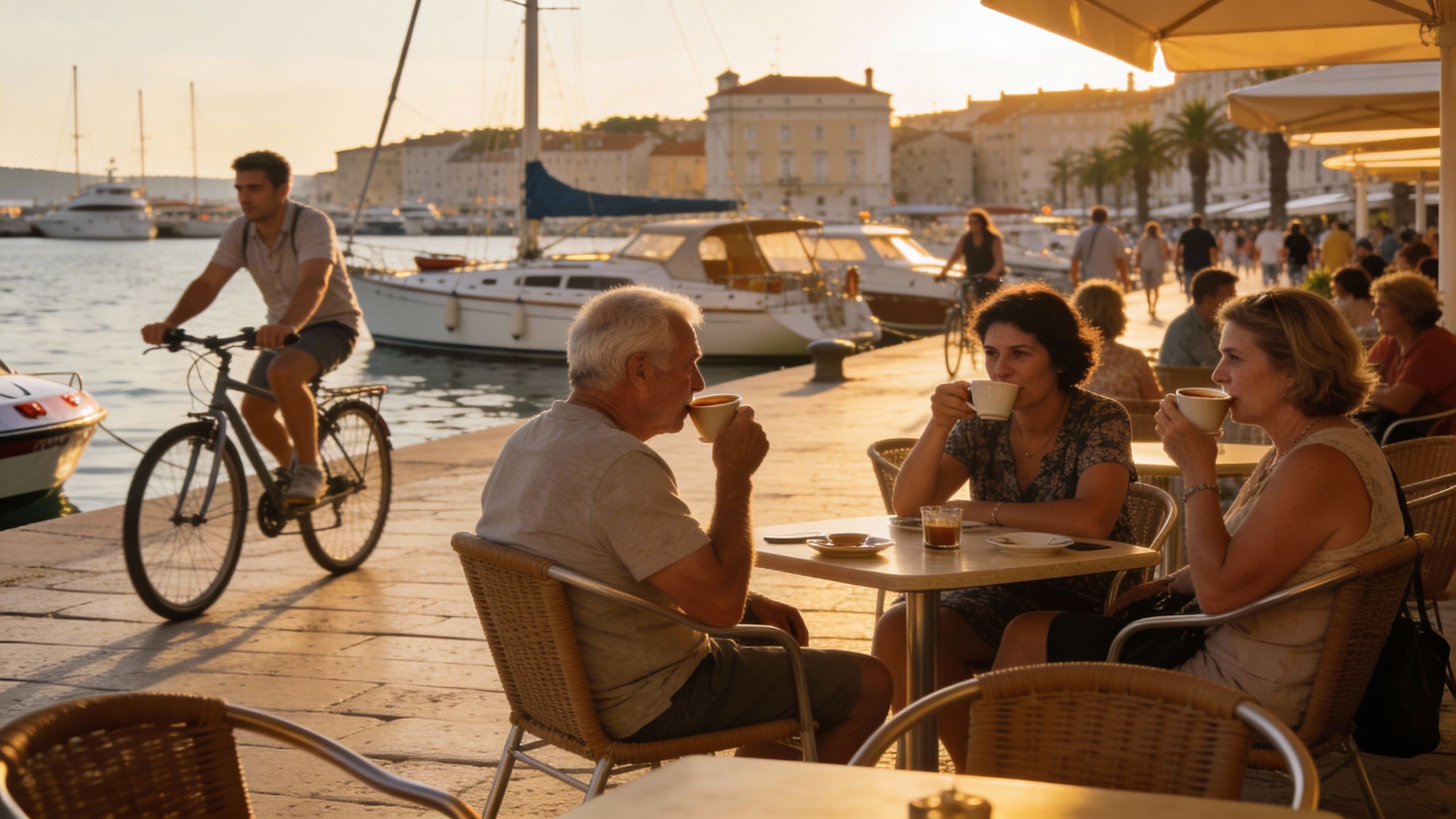
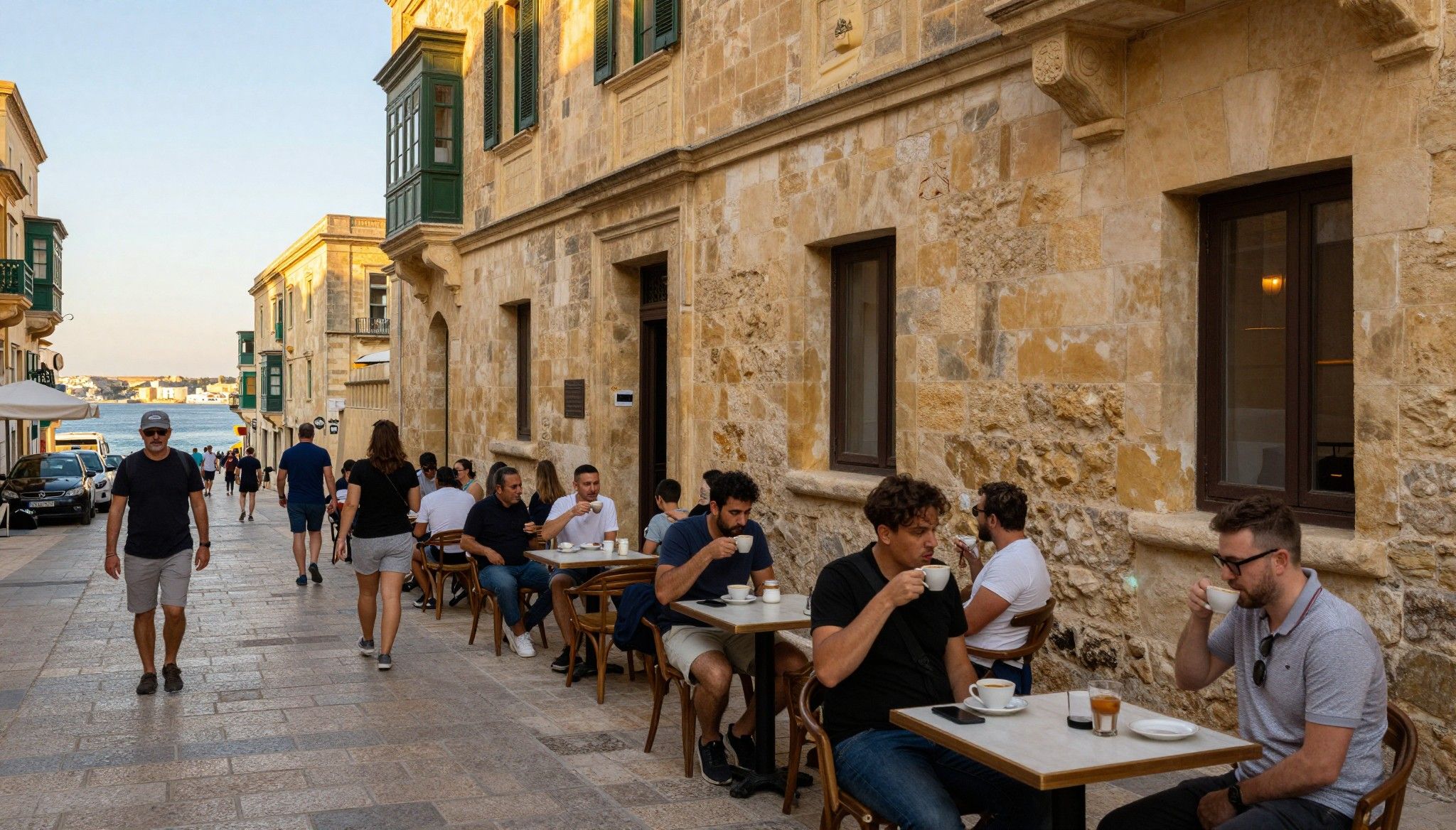
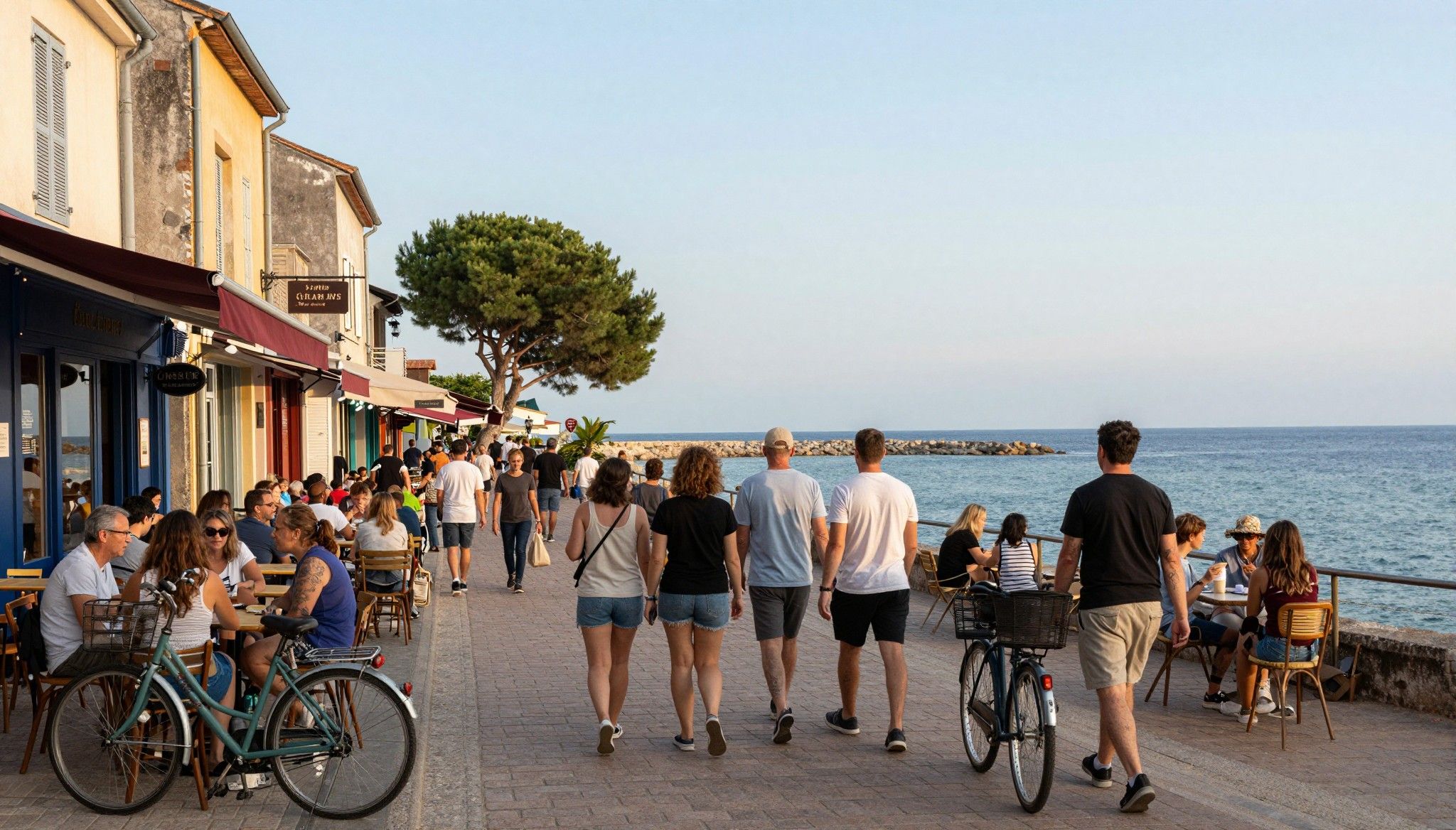
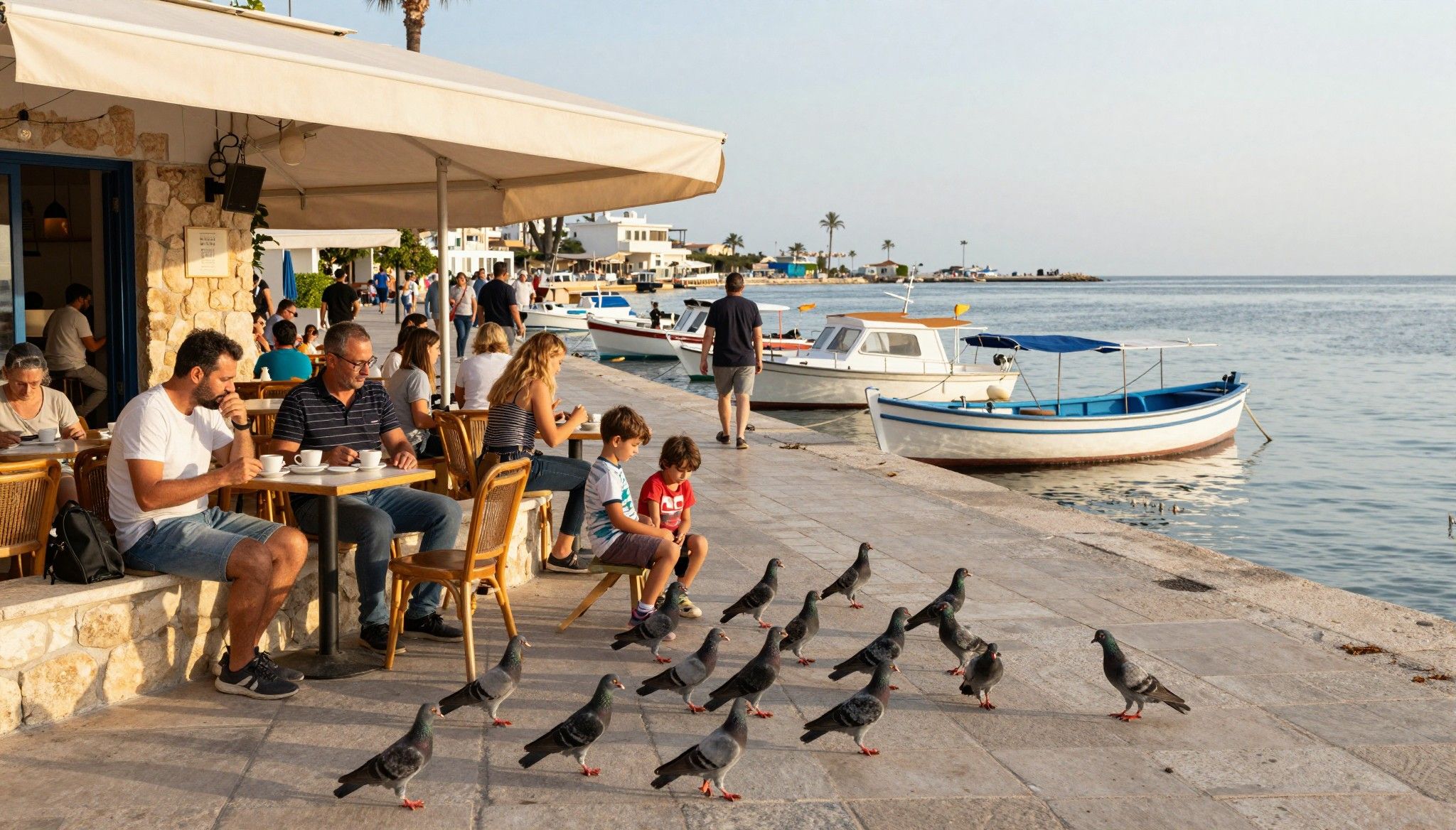
Imagine a late‑afternoon espresso on Split’s Riva, children's laughter from a pebble beach in Brela, and a stone‑paved street in Rovinj where the baker knows your name. Croatia’s coast moves at the measured pace of Mediterranean life, yet behind those holiday scenes a market is reshaping how and where international buyers get value. New fiscal policy conversations, rising house prices and changing residency rules mean lifestyle choices and tax strategy are now inseparable for buyers dreaming of an Adriatic life.
Living the Croatian lifestyle: what you actually buy into
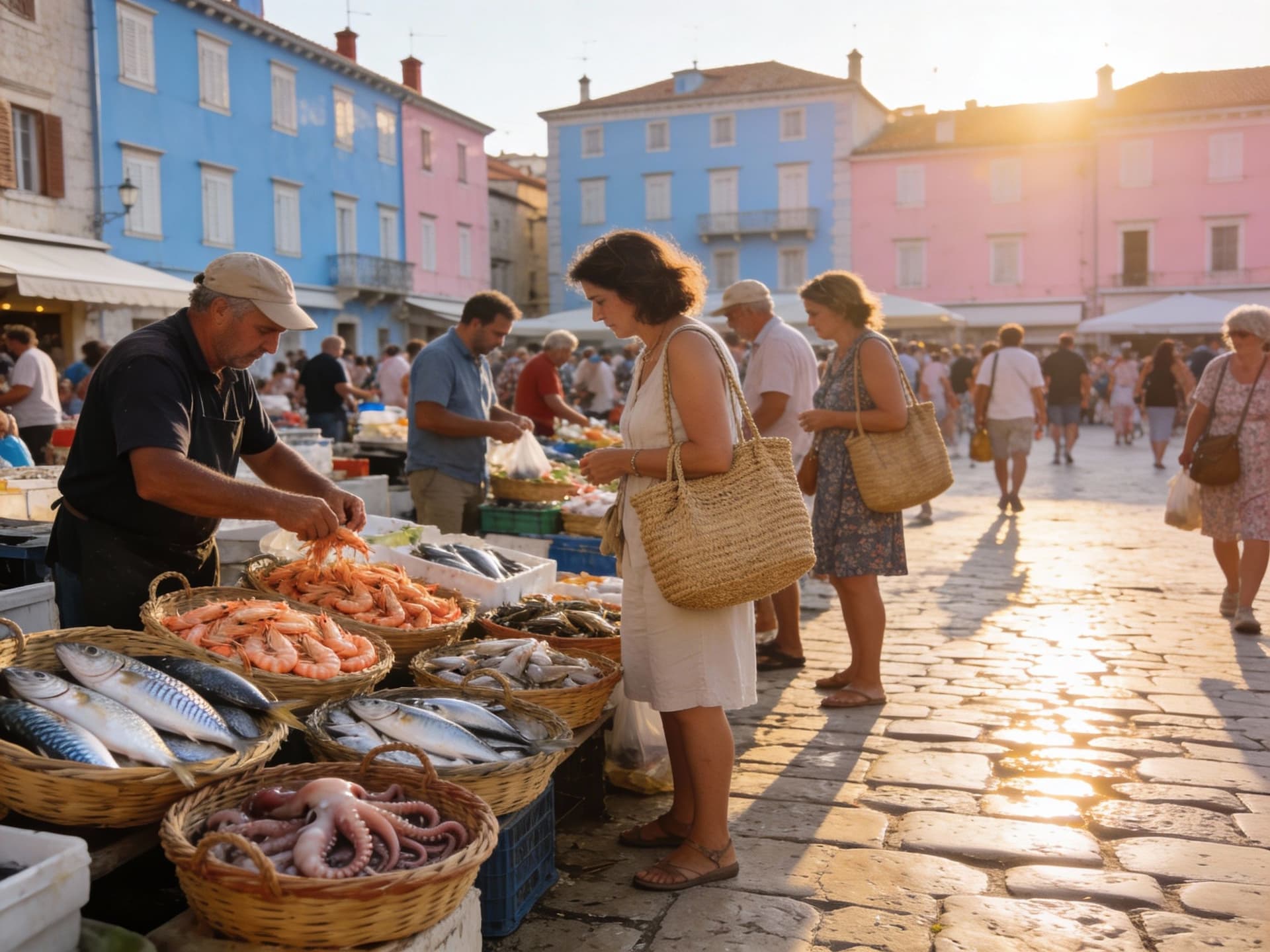
Life in Croatia is tactile: morning fish markets, slow coastal dinners, and compact urban neighbourhoods where a short walk replaces a long commute. But that daily rhythm is now a market factor — DZS data show coastal prices outpaced inland growth, squeezing affordability in Istria and Dalmatia and shifting buyer interest into secondary towns and the capital. For buyers this means you may pay a premium for the seaside postcard, or find smarter value by focusing on towns where everyday life and tax treatment align with your plans.
Coastal charm vs. hinterland practicality
Zadar, Split and Dubrovnik each offer distinct rhythms: Split is an urban‑coastal blend with year‑round services; Dubrovnik is intensely seasonal and premium; Zadar and Šibenik punch above their size with restored old towns and improving connections. Inland towns such as Varaždin or Osijek reward buyers with lower entry prices and quieter daily life, while still offering quick access to Croatia’s cities by car or rail. Choosing where to live should start with how you want your day to unfold — markets follow lifestyles, and prices follow demand.
Food, ritual and the neighbourhood calendar
Weekly markets in Split’s Pazar and Rijeka’s Korzo set social life as much as they do shopping lists; summer festivals turn quiet squares into open‑air salons. Those seasonal peaks matter because recent policy conversations aim to tax vacant or short‑term rental inventory more heavily, which could change neighbourhood atmospheres in tourist hotspots. If a street is full of short‑term lets today, fiscal changes may nudge it back toward long‑term residents — and that’s the kind of transformation buyers should anticipate when they picture their future routine.
- Lifestyle highlights to map before you buy: • Morning market stalls: Dolac (Zagreb), Pazar (Split) • Beach types: pebble coves (Brela), long sandy stretches (Zrće nearby) • Local cafés: Caffe bar Šime (Rovinj), café terraces on Split’s Riva • Seasonal festivals: Dubrovnik Summer Festival, Šibenik’s music week • Hidden escapes: Mljet’s national park coves and inland wine roads
Making the move: practical considerations that protect lifestyle
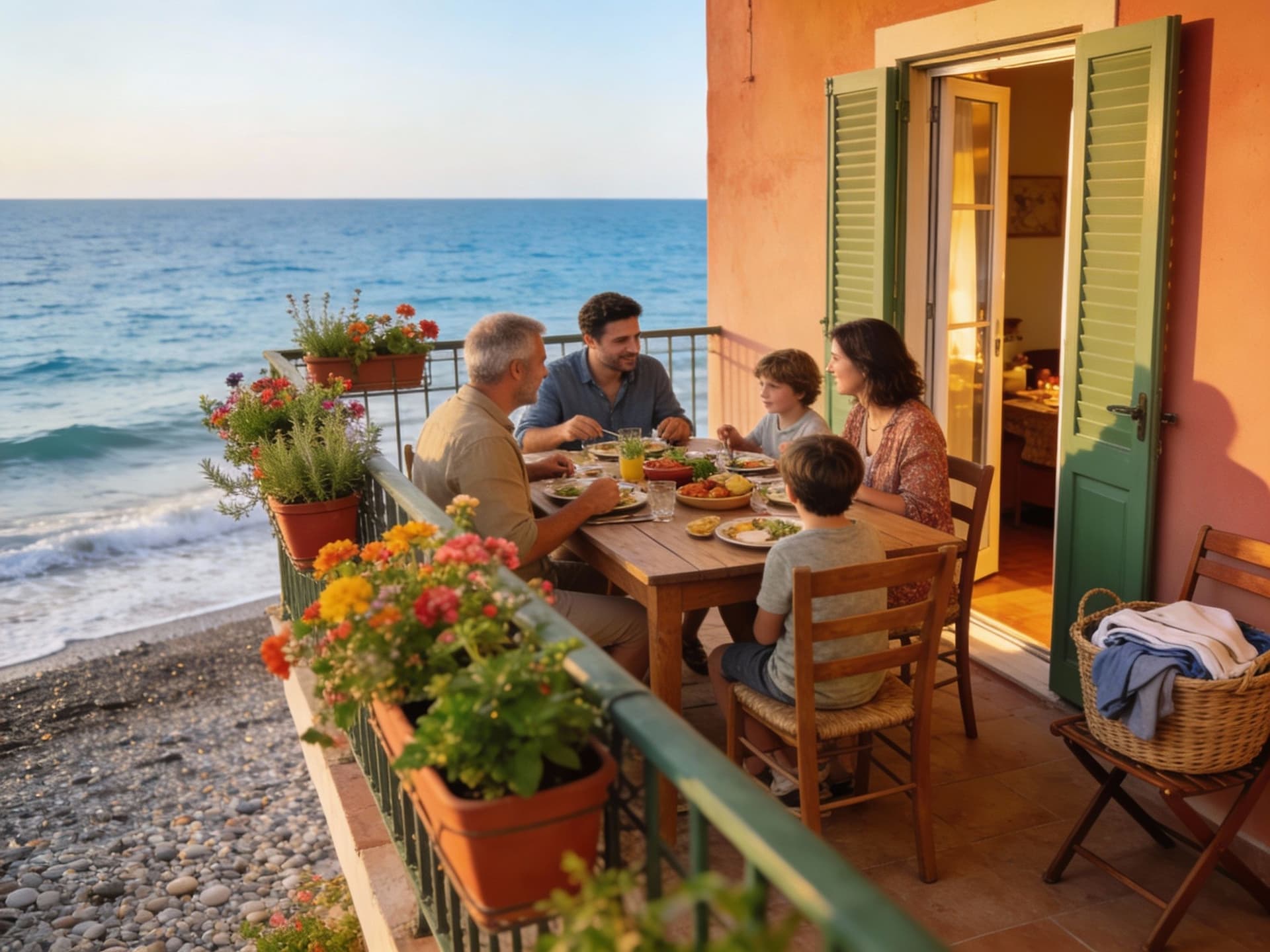
Your dream terrace or stone house comes with a compact set of fiscal realities: a standard 3% real‑estate transfer tax, VAT on certain new builds, and evolving property tax proposals aimed at vacant or short‑term rental units. Those costs alter the affordability equation more than listing price alone, and they influence whether an apartment becomes a profitable rental or a costly upkeep project. The best time to plan taxes is before you make an offer — that’s where lifestyle and numbers meet.
Property styles and how they shape daily life
Stone townhouses in Dalmatia give you a compact courtyard life but often require renovation and higher maintenance; new‑build apartments offer warranties and easier management but come at higher per‑m² pricing in coastal zones. Data show new builds rose faster in price recently, so buyers prioritising low‑maintenance living or rental income should weigh higher up‑front costs against predictable running expenses. Match the property type to the life you want: restoration projects if you love craft and control, turnkey if you want weekends by the sea.
Working with local experts who protect both mood and margin
- How an agency and local advisors help (step‑by‑step): 1. Map lifestyle priorities to tax exposure — identify if a property is classed as long‑term rental, short‑term let, or owner‑occupied. 2. Check VAT vs transfer tax status on new builds — this affects price and fiscal timing. 3. Commission a local notary and lawyer to run title, servitudes and zoning checks. 4. Model ownership costs including proposed property tax scenarios and likely insurance/maintenance. 5. Arrange residency or permit advice if you plan extended stays — residency affects healthcare, schooling and some tax outcomes.
Insider knowledge: what expats miss until after they buy
Expat buyers often fall in love with an image — a sea view, a piazza — and underestimate how seasonality, local services and tax policy shape daily reality. Many learn the hard way that a beachfront town can become quiet outside July and August, that maintenance on stone houses is hands‑on, and that new tax tools target speculative short‑lets. Real buyer confidence comes from seeing both the summer postcard and the off‑season street: that fuller picture protects your lifestyle and wallet.
Cultural and community integration — practical tips
Learn a few Croatian phrases, join local markets and pick a neighbourhood with year‑round neighbors if you want a real community; places dominated by holiday lets rarely provide deep local roots. Engage with municipal offices early — residency registration, utility setups and waste collection rules vary by town and affect your day‑to‑day comfort. Simple actions, like introducing yourself to a local café owner or registering for the local health clinic, speed integration and reduce friction when running or renting a property.
Long‑term outlook: what to watch in the next 2–5 years
Watch for policy moves that convert short‑term lets back into long‑term housing, the roll‑out of property taxation systems, and migration of buyers toward secondary coastal towns. Price momentum suggests continued appreciation but also greater regional divergence — Zagreb and select coastal counties will likely remain price leaders while inland markets slowly catch up. Buyers who factor tax scenarios and seasonality into their purchase plan will enjoy steadier returns and a lifestyle that matches their expectations.
- Red flags and practical checks before signing: • Unclear ownership chain or unresolved servitudes • Properties marketed as 'ideal for short‑lets' without compliance checks • Municipal rules limiting conversion between long‑term and short‑term rental • Missing energy certificates or flood/sea‑level risk disclosure • VAT applied or omitted on new builds without a proper invoice trail
If you’ve fallen for Croatia’s light and pace, protect that vision with a pragmatic roadmap: align neighbourhood choice with the seasonality you’ll tolerate, budget for tax and maintenance, and work with a local lawyer and agency that measure lifestyle outcomes as carefully as price per square metre. Start by asking sellers for recent utility and municipal records, check the DZS house price trends for your target area, and model worst‑case vacancy and tax scenarios. That combination keeps the Adriatic dream intact and makes the day‑to‑day life you imagine far more likely.
- Next steps to move from dreaming to living: 1. Shortlist three neighbourhoods and visit in two different seasons. 2. Get an upfront tax and residency briefing from a Croatian tax lawyer. 3. Commission a full due‑diligence report (title, servitudes, energy, planning). 4. Ask your agent to model total cost of ownership including proposed property tax reforms. 5. Reserve funds for 10–15% surprises (renovation, connection works, municipal fees).
Conclusion — Croatia’s daily life is the purchase’s first dividend: markets will change, taxes will evolve, but a thoughtful purchase aligns the lifestyle you want with realistic fiscal planning. Use local data, qualified advisers and season‑aware visits to turn a romantic impulse into a sustainable, enjoyable life on the Adriatic.
British investor turned advisor after buying in Costa del Sol since 2012. Specializes in cross-border compliance and data-driven investment strategies for UK buyers.