How Croatia’s New Property Tax Reveals Value Zones
Croatia’s 2024–25 property tax shift changes holding costs: use municipal exemptions, VAT vs transfer‑tax rules and local occupancy patterns to align lifestyle with value.
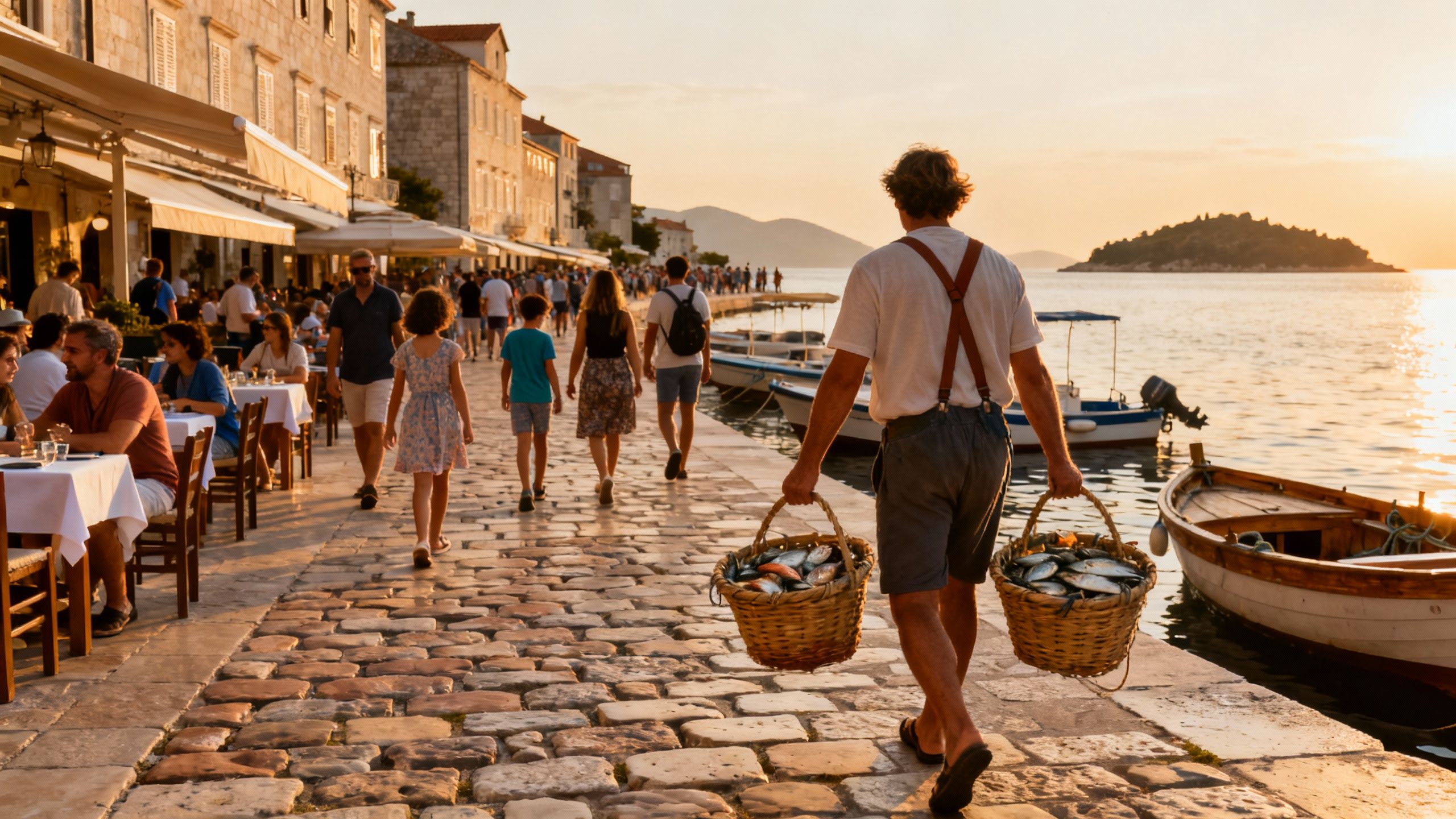
Imagine sipping a ristretto at Dolac Market, the smell of grilled fish from a nearby konoba drifting past, while a neighbour loads a small rental apartment for the week. Croatia’s coast feels like a postcard — narrow stone streets, island ferries, weekend markets — but recent tax changes mean that the cost of living here is being reshaped in ways buyers rarely notice. Understanding the new property-tax logic reveals where lifestyle and value align.
Living the Croatian life: everyday scenes that sell the place
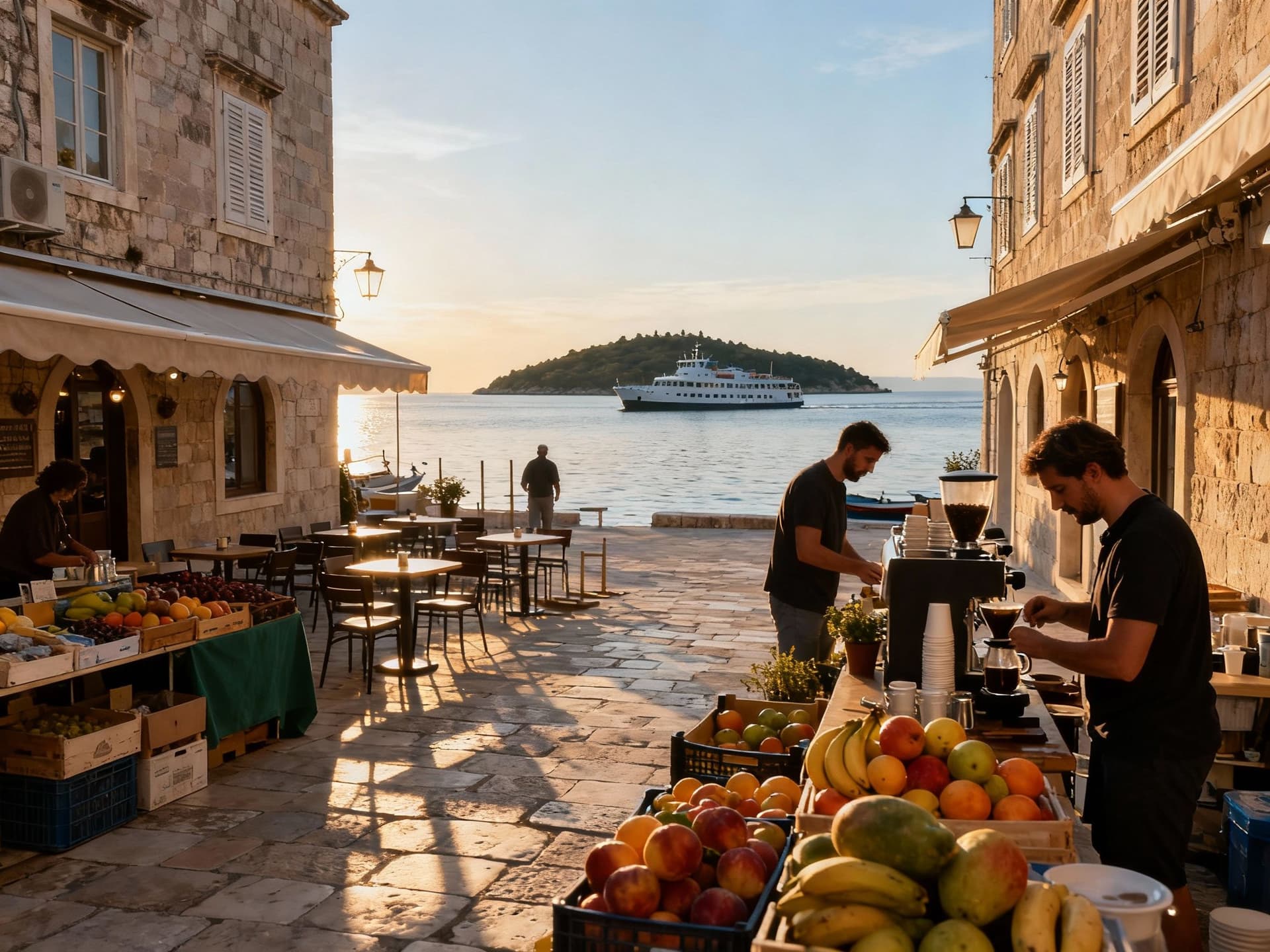
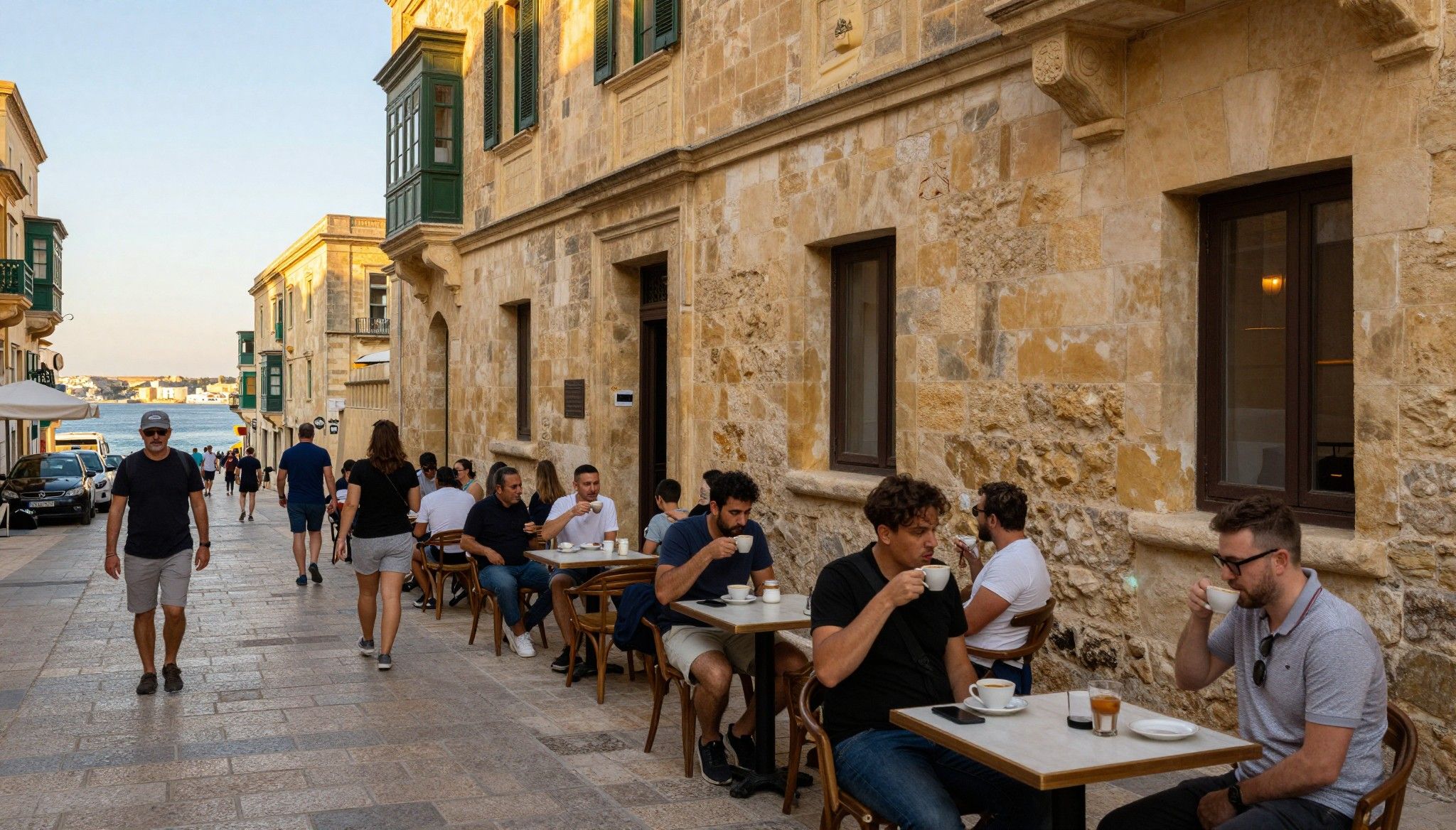
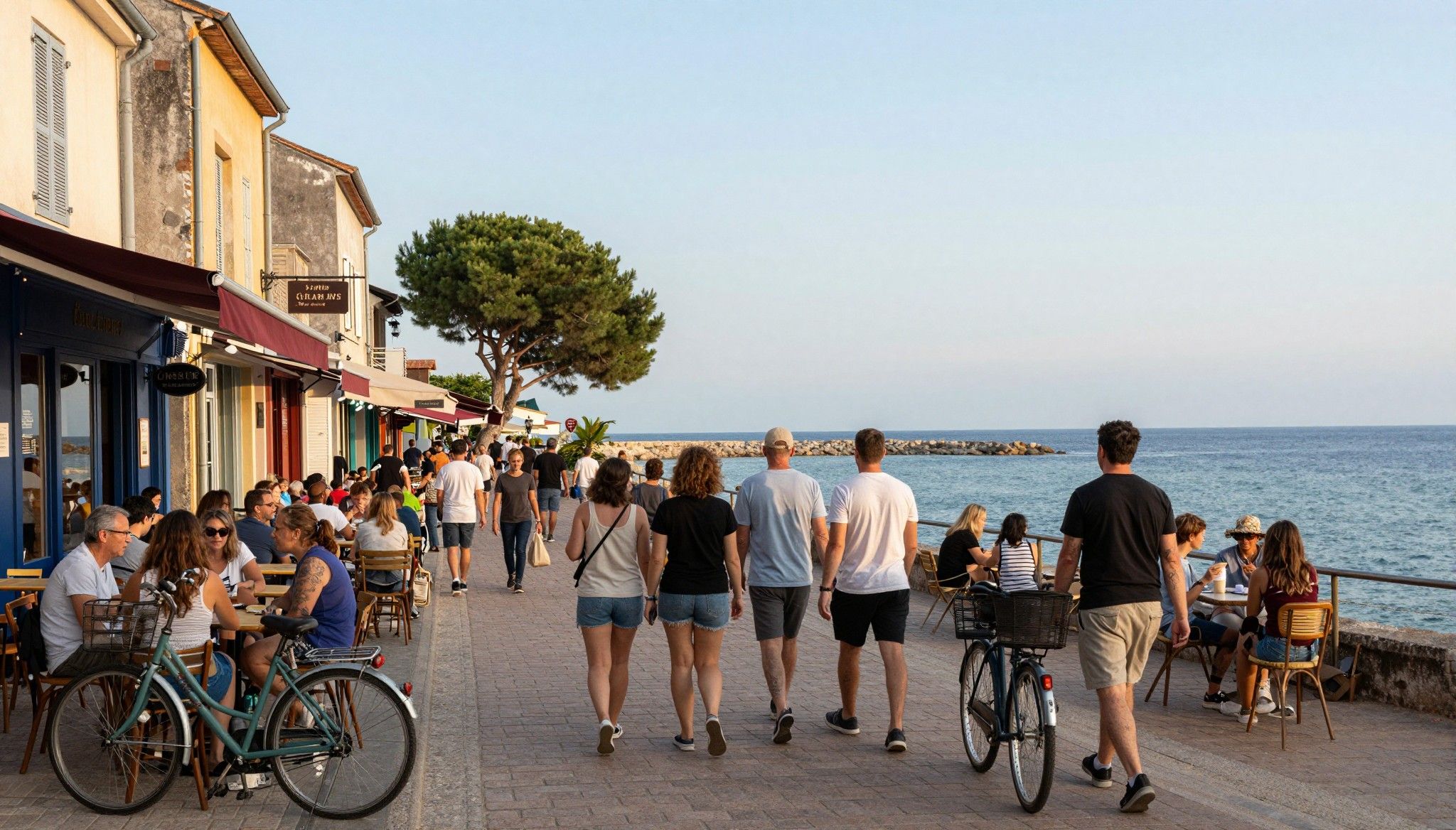
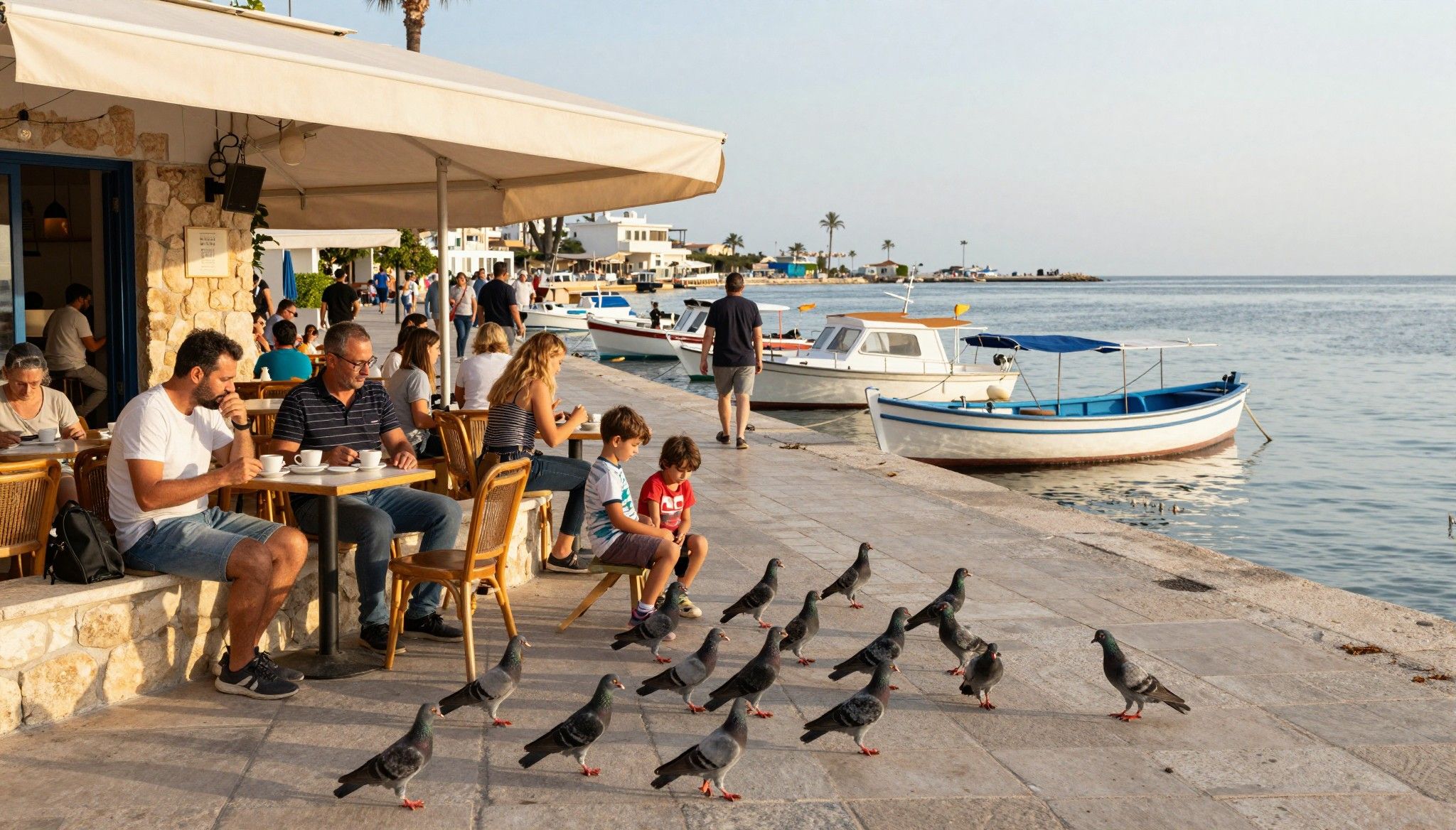
Living in Croatia is a rhythm of morning markets, midday siestas in shaded konobas, and long coastal evenings where families stroll the riva. In Zagreb cafés on Tkalčićeva you’ll overhear startup conversations; in Split, fishermen pull in the day’s catch while old men play chess; on Hvar and Korčula terraces, summer feels like a slow festival. This texture matters to buyers: neighbourhood character — quiet lanes versus bustling seafronts — translates directly into occupancy patterns and therefore tax exposure under the new rules.
Hvar & Split — island pace vs. city pulse
Hvar shows the seasonal high life — cafés full in July, quiet in November. Split blends year-round services with a tourist surge. For buyers who want daily social life, Diocletian’s Palace area offers cafes, short walks to docks and an active rental market. For quieter living, look inland or to smaller islands where long-term rental demand is steadier and the new property tax may be lower due to municipal rate choices.
Zagreb & Istria — culture, food and a different seasonality
Zagreb offers four-season cultural life: markets, galleries and neighbourhood bakeries that sustain long-term residents. Istria mixes wine country with coastal coves; towns like Rovinj and Poreč have strong off-season communities. These places attract buyers who want stability — a factor that interacts favourably with tax rules that exempt properties rented for long terms or used as primary residences.
- Lifestyle highlights and micro-places to note: 1) Tkalčićeva (Zagreb) — café culture and year-round life; 2) Veli Varoš (Split) — local konobas, compact homes; 3) Komiža (Vis) — island community with slow season resilience; 4) Rovinj old town — culinary scene and expat enclaves; 5) Makarska riviera curves — summer activity, quiet winter walks
Making the move: the tax shift that changes strategy
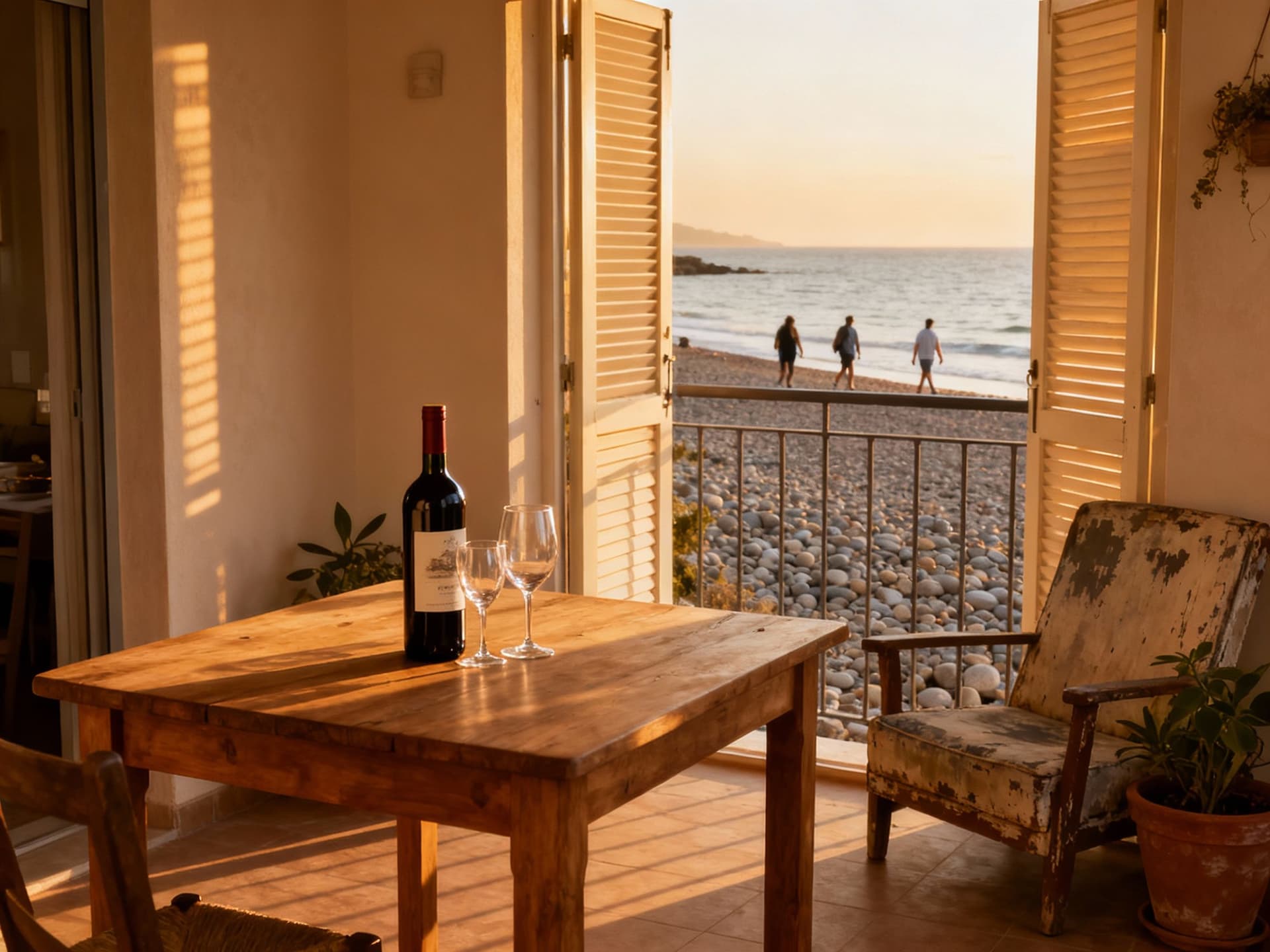
Croatia’s recent policy pivot shifts more of the tax burden to property owners and away from labour — municipal property taxes now have a broader scope and new local rates. Buyers need to see this as an operational cost that changes the calculus between a summer-only holiday purchase and a property positioned for year-round occupancy. The basic mechanics: resale purchases carry a 3% transfer tax, new builds are subject to VAT (standard 25%), and local annual property taxes range by municipality. These details determine true holding costs.
Where the numbers bite: transfer tax, VAT and the new local charge
Key figures to anchor decisions: resale transfer tax is 3% of market value; new-build purchases usually include VAT at the standard 25% (some reduced rates apply to specific services); annual municipal property tax runs roughly €0.60–€8.00 per m² depending on local government choices. Municipalities can exempt primary homes or long-term rentals, which creates a clear incentive structure for owners who commit to year-round leasing or live in the property themselves.
Numbered checklist: how to estimate your annual holding cost
- 1) Start with transfer costs: 3% on resale or VAT on new build. 2) Add one-off closing fees (notary, registry, agent). 3) Multiply municipal property tax range (€0.60–€8.00/m²) by usable area. 4) Factor in expected vacancy and seasonal short‑term rental turnover. 5) Add recurring running costs: utilities, insurance, local maintenance.
Insider knowledge: rules, reciprocity and the parts agents rarely advertise
Not all foreign buyers follow the same path. EU citizens generally acquire property under equal terms; non‑EU buyers face a reciprocity rule and ministerial consent in limited cases. Practically, this is rarely a barrier but it matters for transactions on protected land, agricultural plots or strategically sensitive areas. Local agents who know which parcels trigger extra scrutiny save weeks and avoid nullified contracts.
What agents should tell you but often don’t
- • Which municipal exemptions apply for primary residence or long-term rental; • Whether the unit is classified as building land (affects VAT); • Local short-term rental licence realities and seasonal caps; • Practical timing for closing around summer tourist peaks when offices close; • Real vacancy patterns — not every coast town earns year-round rent.
Working with an agency that blends lifestyle matching and regulatory competence is the difference between a purchase that feels like a holiday and one that functions as a real asset. Ask for: municipal tax history for the property, recent occupancy records, and a clear breakdown of VAT vs transfer tax scenarios. Those three items turn romance into rational investment.
What expats wish they’d known — real stories and seasonal truths
An English couple I know bought a Dalmatian stone house because they loved the summer life; they didn’t realise municipal tax rates and summer-only demand would halve their effective yield. Conversely, a Croatian‑born returnee invested in an Istrian apartment, committed to a 10‑month rental calendar, and benefited from local exemptions. The lesson: align lifestyle intentions with tax mechanics from day one.
Long-term view: how lifestyle choices shape costs and resale
Buying for pure summer use often increases your per‑square‑metre tax burden and decreases resale attractiveness to locals. Properties marketed as ‘holiday-only’ face higher vacancy risk and may sit unsold in off‑season months. If your vision includes living in Croatia part of the year, emphasise primary‑residence registration or long-term rental plans when negotiating and planning renovations.
- Practical next steps to protect lifestyle value: 1) Request municipal tax decisions for the past three years; 2) Confirm whether the property is VATable (new build) or transfer‑taxable (resale); 3) Ask about exempt status for primary residence or 10‑month rentals; 4) Build vacancy and management costs into yield models; 5) Insist on ministerial-consent checks for non‑EU nationals if relevant
Conclusion: Croatia’s coastal charm remains compelling, but recent tax changes reframe what ‘affordable’ means. The best buyers match a neighbourhood’s rhythm — year‑round towns for stability, quieter islands for retreat — with a clear tax plan that reduces surprise costs. Start with municipal tax history, confirm VAT vs transfer tax status, and work with agents who can translate lifestyle into compliant, efficient ownership.
British investor turned advisor after buying in Costa del Sol since 2012. Specializes in cross-border compliance and data-driven investment strategies for UK buyers.