Croatia’s Tax Reset: How Lifestyle Choices Shape Real Costs
Croatia’s 2024–25 tax reforms shift costs from buyers to ongoing property levies — a new-build with VAT (and refunds) can outsave a resale once municipal taxes and seasonality are modelled.
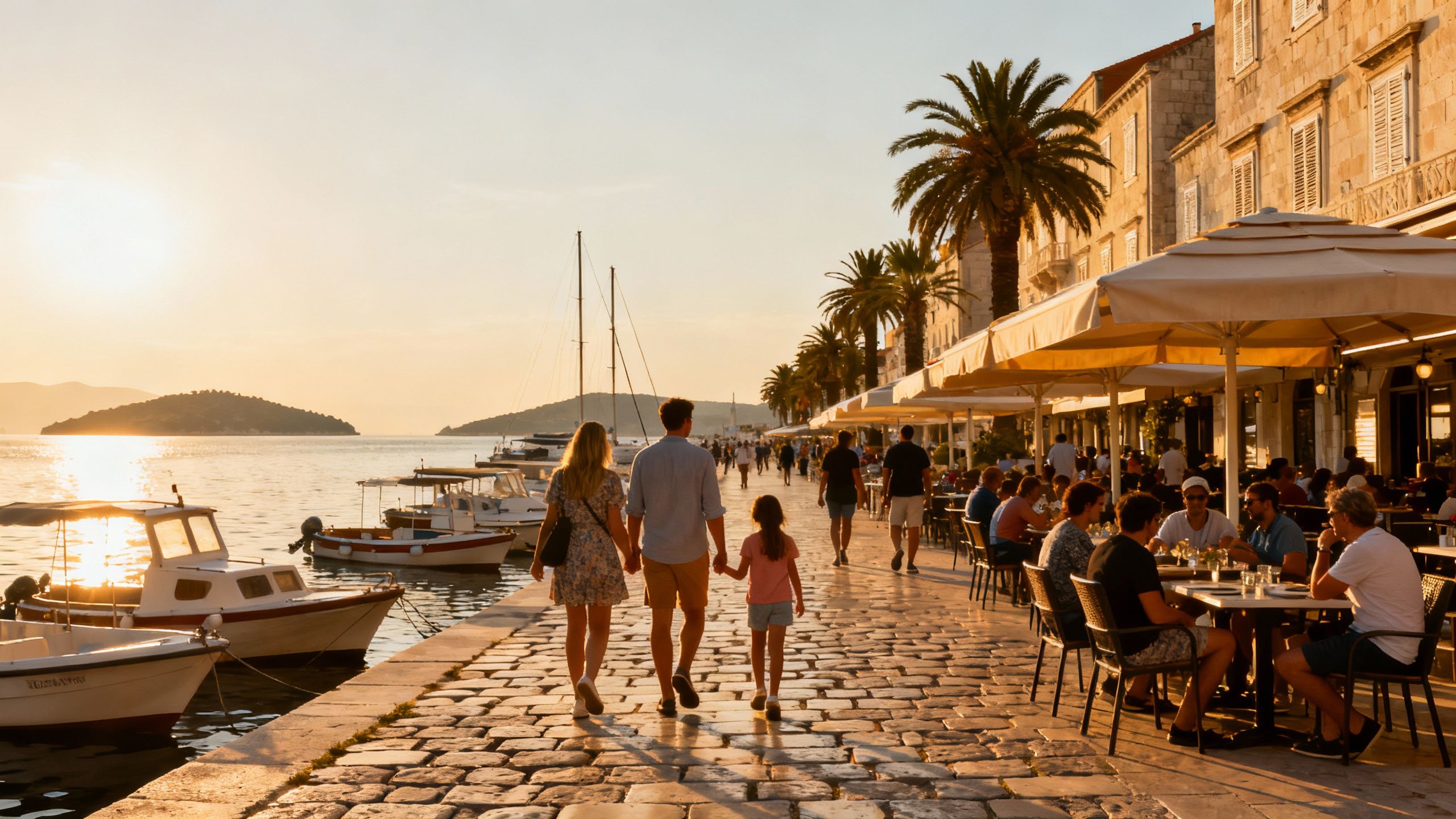
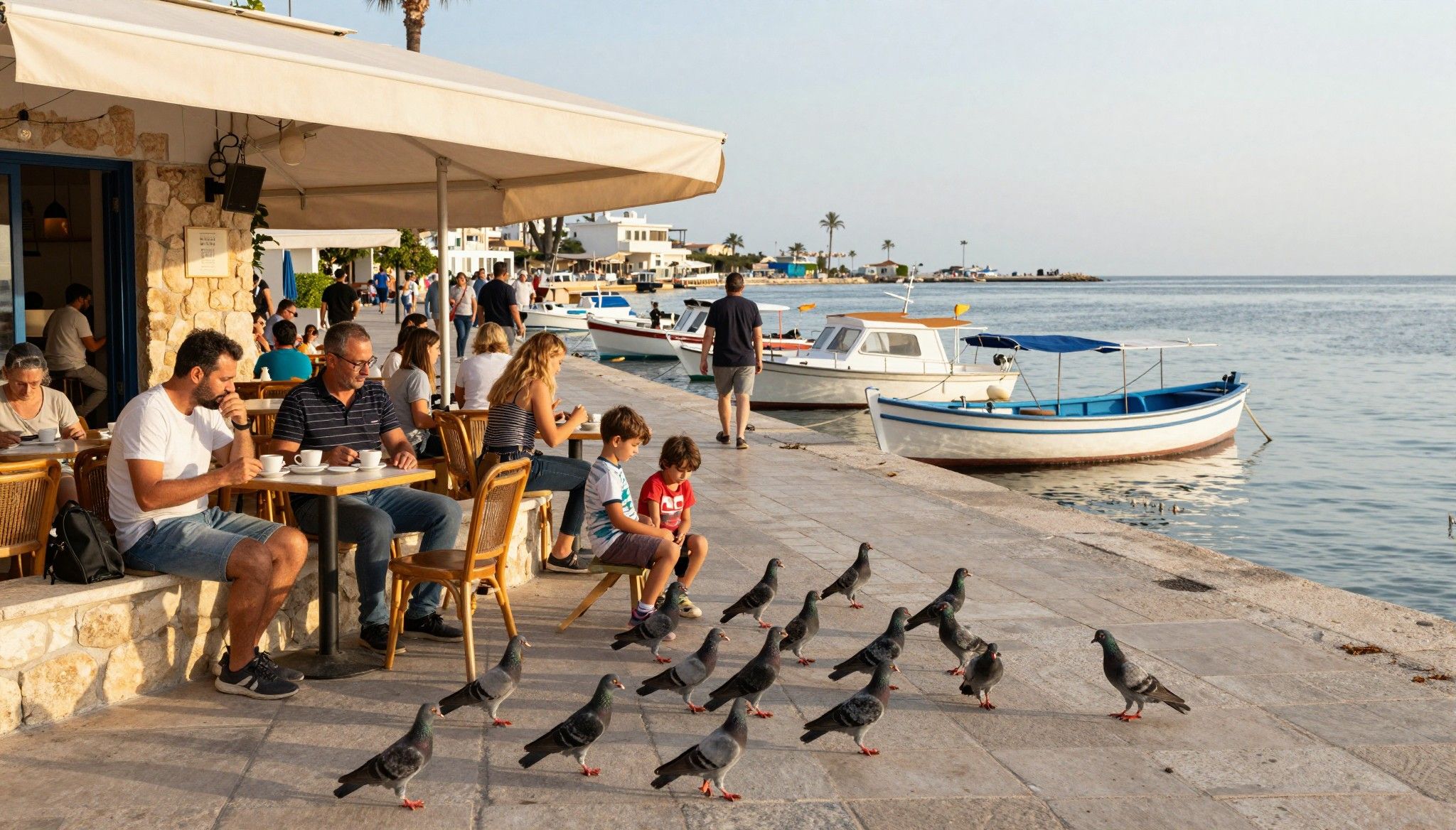
Imagine the smell of fresh burek in Split’s morning market, the day stretching across a pebble beach in Hvar, and a quiet street of stone houses in Rovinj where neighbours still stop to chat. That sensory Croatia — sun, sea, close-knit squares — now sits beside a tax overhaul that changes how buyers weigh a coastal fantasy against the real monthly costs of ownership, according to recent market analysis.
Living the Croatia lifestyle — what it actually feels like
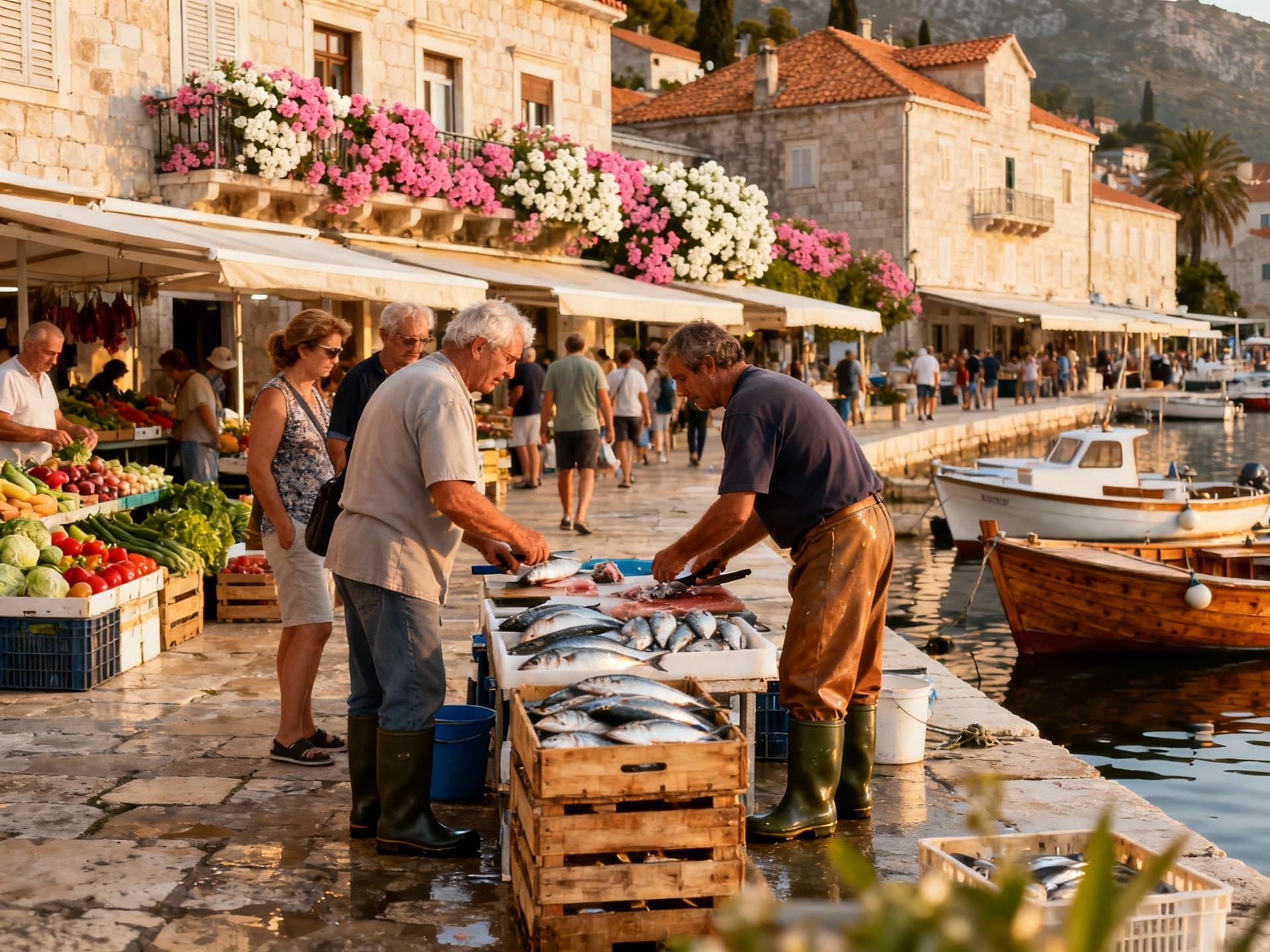
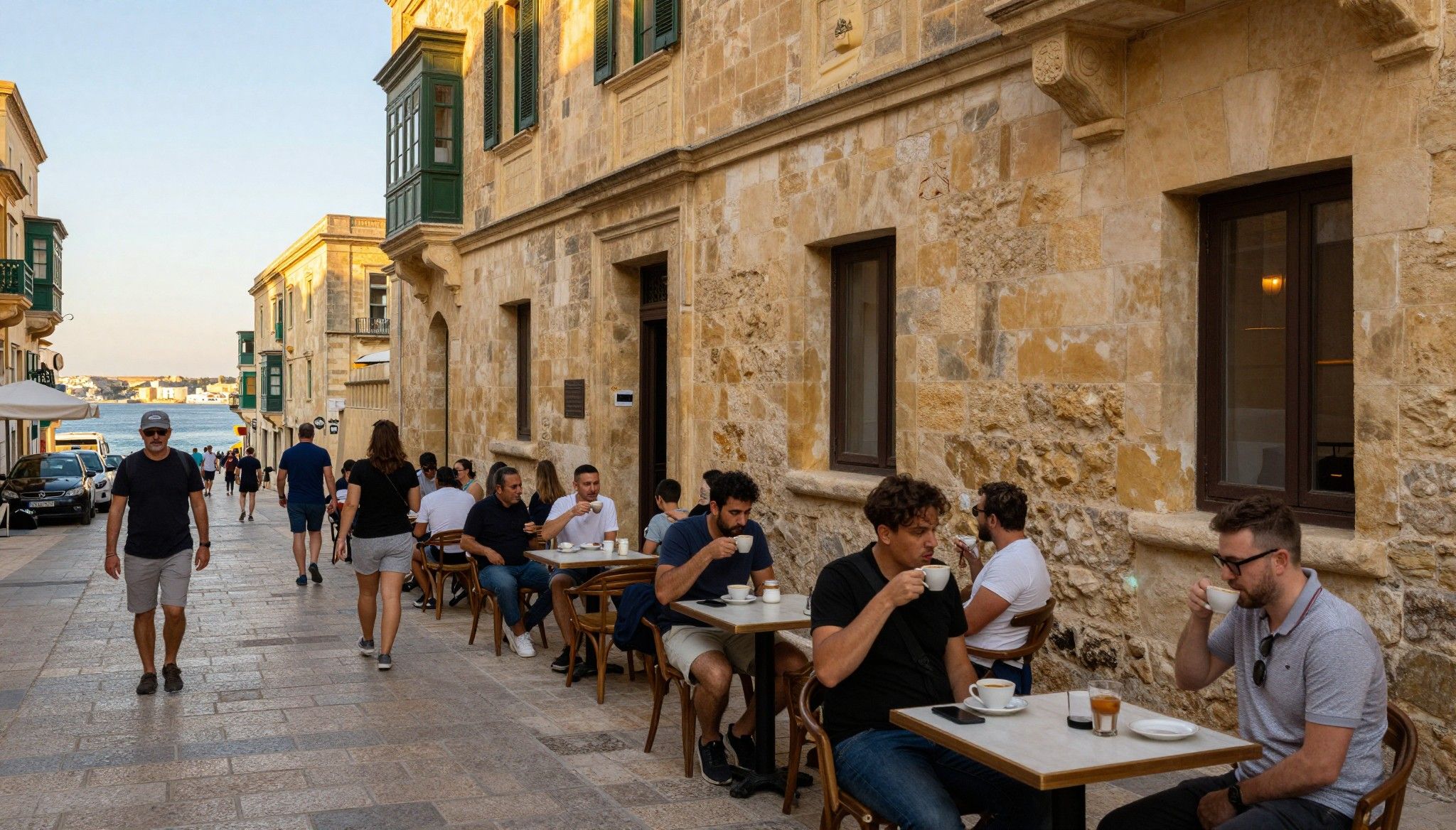
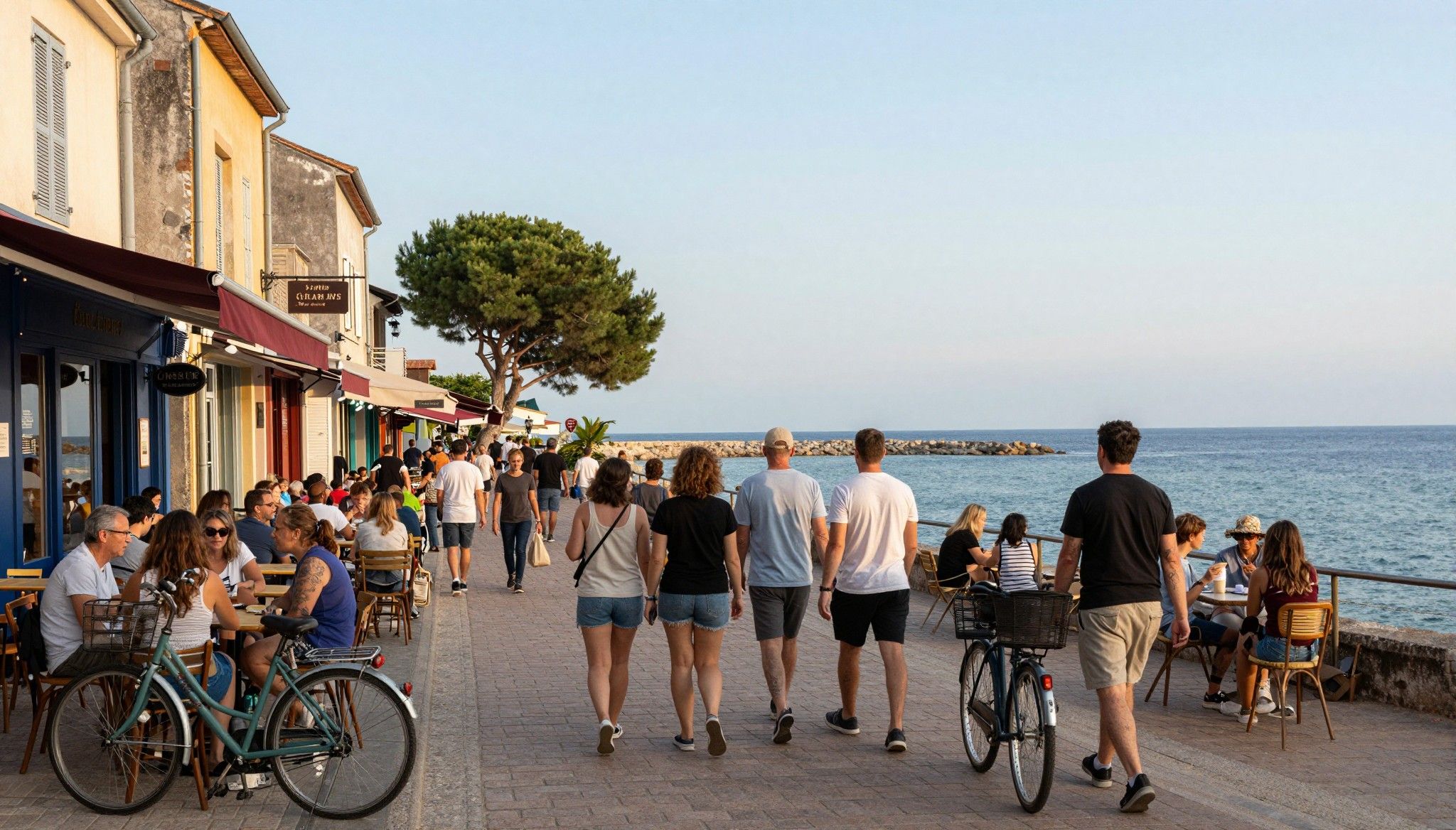
Croatia’s rhythm is small-steps social life: espresso at 08:00 in Zagreb’s Tkalčićeva, aperitivo on Split’s Riva at 18:30, ferries to islands that still close their doors at midnight. Daily life blends old stone, new design, and seafood markets that set weekly menus. For buyers, this texture shapes priorities: a balcony for morning sun matters as much as elevator access; a short walk to the market beats a large, isolated garden for many expats.
Neighborhood snapshots: Rovinj, Split, Zagreb
Rovinj’s old town is a maze of red roofs and art studios — ideal for walkers who value character and proximity to local galleries. Split mixes Diocletian-era streets with modern marinas; buyers there trade compact living for vibrant waterfront life. Zagreb’s neighborhoods like Maksimir and Britanski trg offer tree-lined streets, schools, and year-round services that appeal to families and remote workers.
Food, festivals, and seasonal life that change where you’ll live
Taste matters: Dalmatian markets, Istrian truffles, continental bakeries all shape daily routines. Festivals — Outlook in Pula, Ultra in Split, Dubrovnik Summer Festival — swell towns for months, shifting rental demand and neighbourhood energy. That seasonality should influence whether you buy in a historic centre (energy, tourist footfall) or a quieter residential suburb (stability, lower wear on finishes).
- Lifestyle highlights to test during a visit
- Morning espresso at Caffe Bar Buža (Dubrovnik) or D16 in Split
- Saturday market mornings at Dolac (Zagreb) and Pula’s farmer stalls
Making the move: how recent tax reforms rewrite the numbers
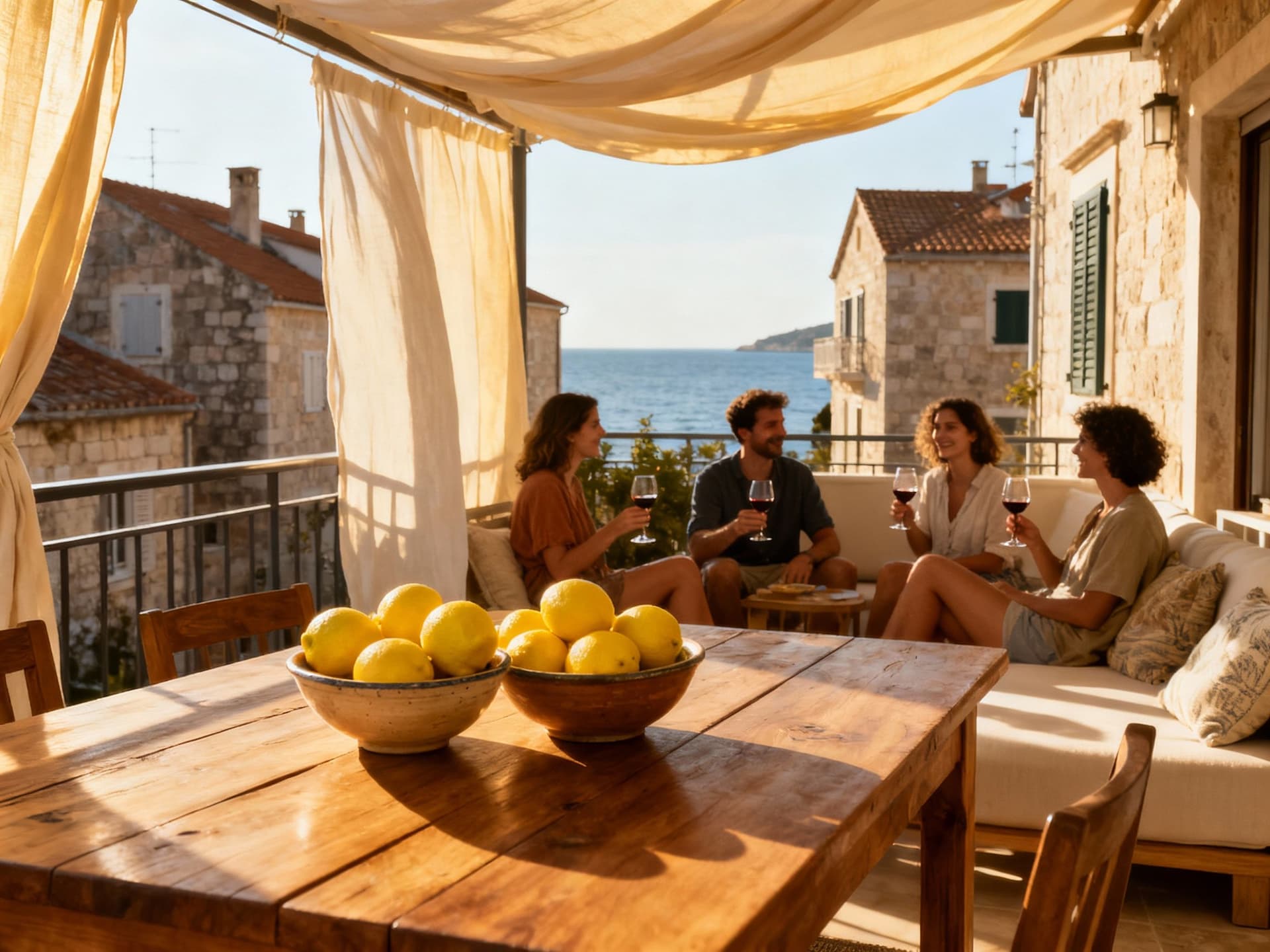
From 2024–2025 Croatia introduced a policy pivot: shifting tax emphasis toward property ownership (annual property tax) while refining transfer and VAT rules. That means the headline purchase costs (VAT versus transfer tax on new builds and resales) now interact with recurring charges set by municipalities — a combination that can raise or lower total ownership cost depending on where you buy.
Property styles and how tax changes affect them
New builds typically come with VAT (25%), while many resales are subject to a transfer tax (commonly 3%). Recent measures also introduced targeted refunds for first-time buyers under certain conditions. Practically, that means a new apartment with VAT can still be cheaper for an eligible first-time buyer after a refund than an older flat that attracts transfer tax — an important contrarian point for budget-focused buyers.
Working with local experts who translate lifestyle into numbers
A local lawyer or tax adviser does more than file forms: they map municipal tax rates, confirm if a unit is VAT-exempt or VAT-subject, and estimate annual property tax under local decisions. That local nuance decides whether a seaside apartment with higher transfer tax but low municipal levy is cheaper long-term than a countryside villa with lower purchase tax but a top-tier yearly property charge.
- Steps to align lifestyle goals with tax reality
- List potential neighbourhoods by lifestyle fit (walkability, market access, seasonality).
- Ask your adviser for: exact VAT/transfer tax treatment, municipal property tax rate, and an estimated annual cost table.
- Model 5–10 year cashflows including rental scenarios for high-season towns (Split, Hvar, Dubrovnik).
- Confirm residency/tax residency implications with a cross-border tax specialist — owning property does not automatically create tax domicile, but rental income and public services use can change profiles.
Insider knowledge: expat realities and red flags
Expats often arrive seduced by the coast and underestimate year-round costs. Common surprises include municipal property tax variations, tourist-season wear-and-tear on historic finishes, and VAT complexities when buying off-plan. Local bureaucracy can slow registration and utility connections — plan visits that include meetings with notaries and municipal offices to feel the administrative tempo.
Cultural cues that change where you’ll thrive
Croatians value neighbourhood ties: small shops, church timetables in towns, and celebration days matter. Choose a place where you match the daily pace — lively promenade life in Split, quieter winter streets in Istria, or year-round service infrastructure in Zagreb — because integration makes property ownership feel functional, not just aspirational.
Practical red flags to watch for
- Unclear VAT status on the contract: new-build sellers should specify whether price includes VAT.
- Municipal tax not decided: check if the local council has set the €0.60–€8.00/m² rate for the year you buy.
- Promised rental yields without seasonality adjustments — coastal towns show strong peaks and deep off-season troughs.
Conclusion: live the life you want, with the numbers to match
Croatia’s recent tax reset flips some conventional wisdom: cheap headline prices don’t guarantee cheap ownership; a new-build with VAT plus first-time refunds can be a better fiscal fit than a resale with transfer tax plus high municipal levies. Start with lifestyle first — walk the streets, visit markets — then translate those preferences into scenarios with a local adviser. That’s how you turn a dream square in Rovinj or a terrace in Split into a sustainable, enjoyable home.
Dutch investment strategist with a Portugal-Spain portfolio. Expert in cross-border financing, rights, and streamlined due diligence for international buyers.