Why Croatia’s Tax Reset Rewards Off‑Season, Lifestyle Buys
Croatia’s 2025 property tax shift creates tactical advantages: align use, season and legal structure to protect lifestyle value and reduce costs.
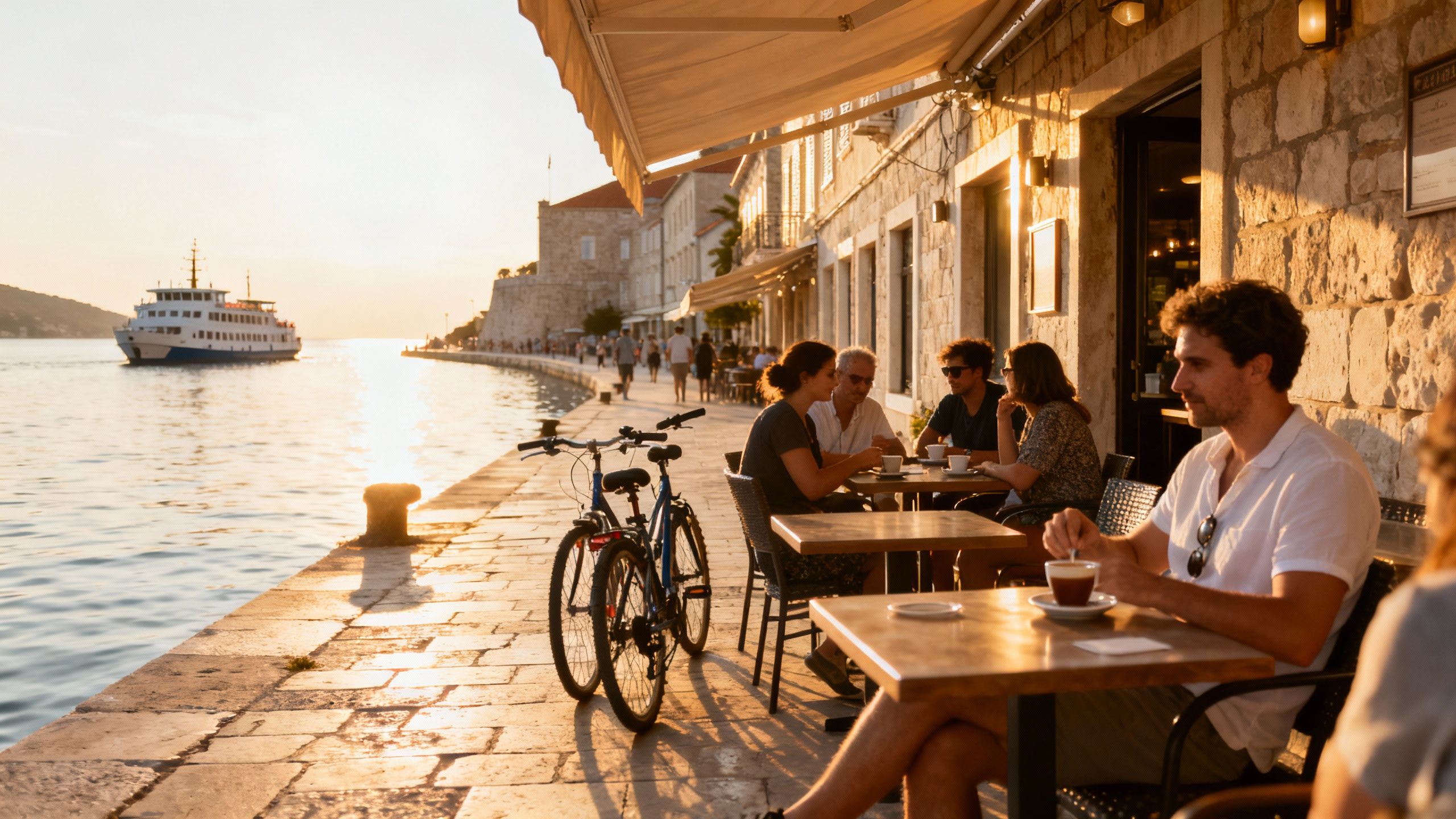
Imagine walking a cool, stone-paved morning in Hvar town, espresso in hand, the Adriatic bright and quiet before the day’s yachts arrive — and knowing the annual tax bill won’t turn that dream into a headache. Recent tax changes and local rules mean where and how you buy in Croatia can transform a holiday purchase into a manageable, long-term lifestyle asset.
Living the Croatian Life
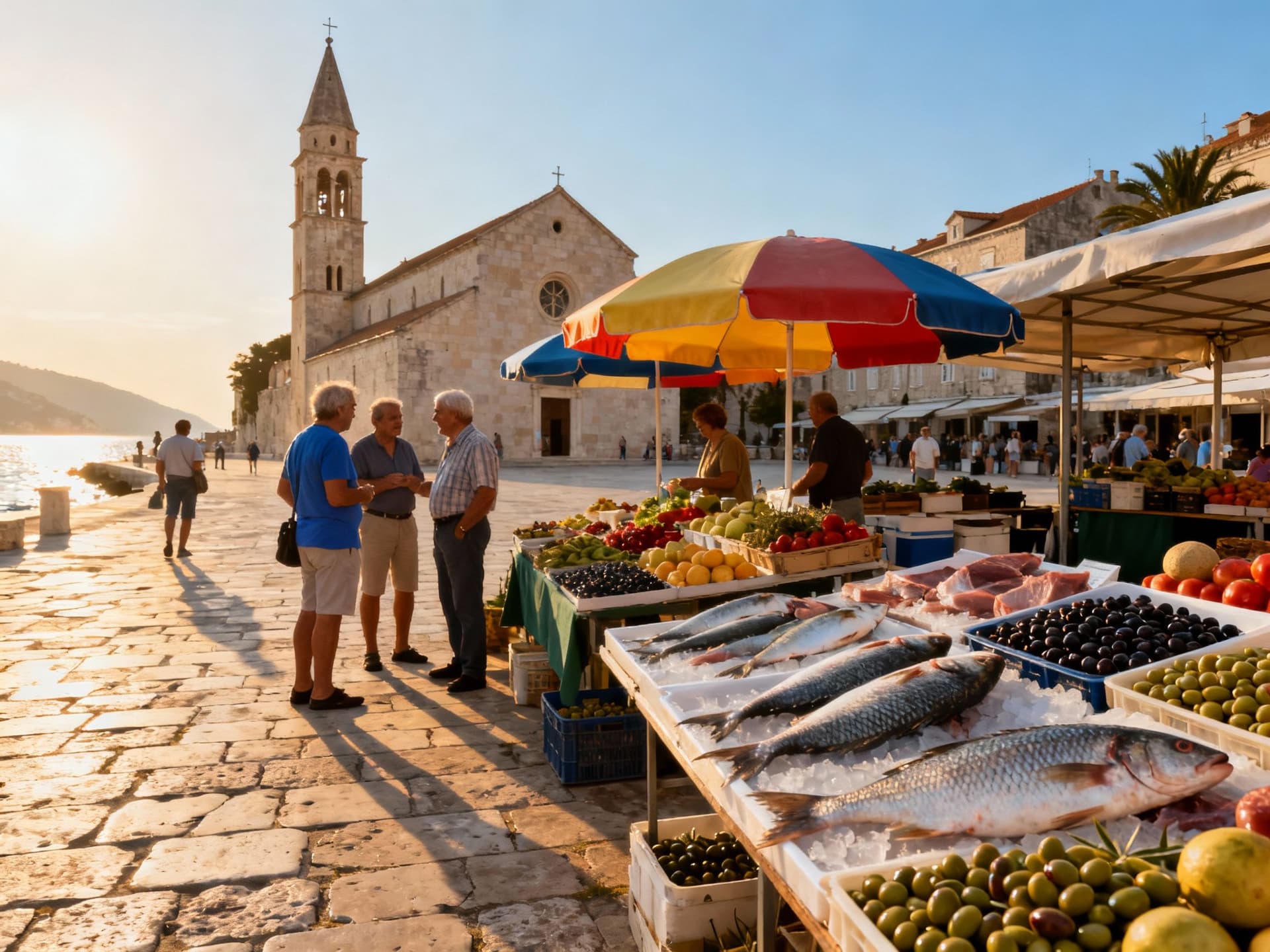
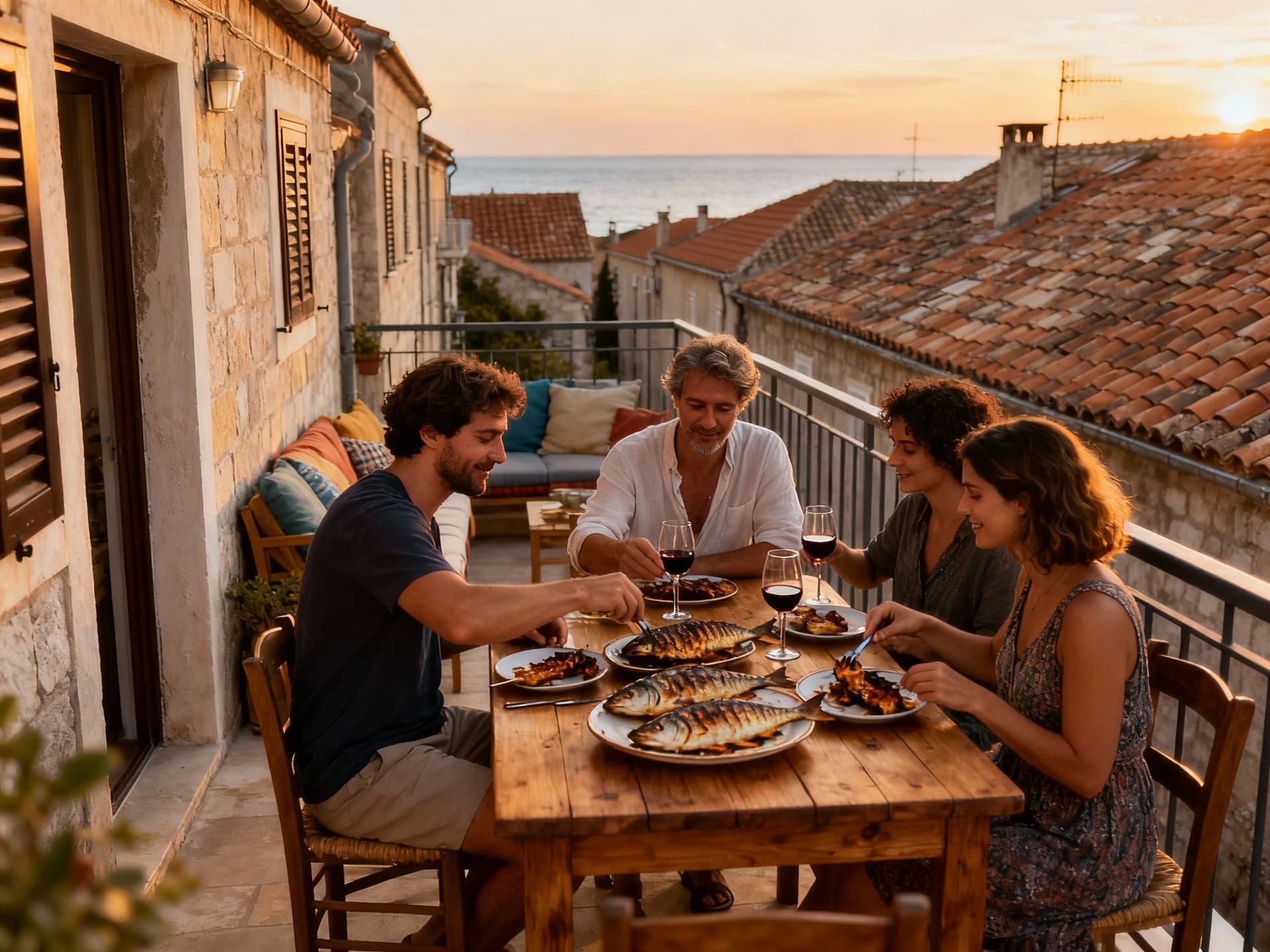
Croatia’s daily rhythms are coastline choreography and inland calm. Mornings in Split’s Varoš or Dubrovnik’s Ploče start with small cafés and bakers; afternoons drift to beaches like Punta Rata or hidden coves on Brač; evenings gather around konobas (family tavernas) where grilled fish, peka and local wine form the social currency. Climate is Mediterranean on the coast and continental inland, which shapes what homes feel like from breezy stone houses to insulated family villas.
Seaside neighbourhoods and their personalities
Pick a street in Split — Marmontova for people-watching, Firule for local morning swims — and you’ll see how micro-neighbourhoods shape daily life. Dubrovnik’s quieter Lapad peninsula trades crowds for family beaches and parks; Zadar’s Old Town mixes markets and sunset rituals by the Sea Organ. Each area’s cafe culture, ferry access and market days directly affect resale demand and rental seasonality.
Food, markets and the social calendar
Weekend life revolves around markets — Dolac in Zagreb, Pazar in Split — and seasonal festivals: olive harvests, truffle fairs in Istria, and island summer concerts. These events shape when locals rent, when tourists flock, and when properties earn most through short-term lets. If you want neighbourhood energy rather than tourist tempo, attend a market morning before booking viewings.
Making the Move: Practical Considerations
Lifestyle starts the conversation; regulations and taxes finish it. EU/EEA/Swiss citizens buy almost like locals, while many non‑EU buyers need Ministry of Justice consent under Croatia’s reciprocity rules. Always check the ministry’s reciprocity list and timing before committing — approvals can add from weeks to several months to your timeline.
Property styles and what they mean for day-to-day life
Stone town apartments lend themselves to compact, walkable living and lower running costs in summer; modern coastal developments offer amenities and higher maintenance fees but easier rental management; inland family houses provide gardens and insulation for winter use. Match the build type to how you’ll actually use the place — weekend bolthole, year‑round home, or rental income machine.
How local experts protect lifestyle value
1) Confirm eligibility (reciprocity) and get Ministry consent if required. 2) Verify title and permitted use in the land registry to avoid illegal-build risks. 3) Structure purchase (personal or via company) if agricultural land or special zones are involved. 4) Align property type with residency goals — ownership alone does not grant long‑term residency.
Insider Knowledge: Tax, Seasonality and the Contrarian Play
Croatia’s recent shift toward property-based taxation (introduced for 2025) is often presented as a coastal tax squeeze. But the reality is nuanced: municipal rates, exemptions for primary residences and long‑term rentals, and per-square-metre rules create tactical opportunities for buyers who align usage with tax rules.
A contrarian take: buy off‑season, short-term and seasonal strategies
Rather than chasing sea‑view peak-season prices, consider properties with flexible use: rent long-term for at least ten months to capture municipal tax exemptions, or position a property for mixed use — personal weeks in shoulder season and managed long-term lets the rest of the year. Developers selling new builds will charge 25% VAT; resale purchases attract a 3% transfer tax. These differences can swing effective purchase costs materially.
Tax & regulation checklist for lifestyle buyers
Check reciprocity and Ministry approval if you are non‑EU. Confirm whether VAT (25%) or property transfer tax (3%) applies — new builds vs resale. Plan property usage (primary residence vs short‑term rental) to understand municipal tax exposure. Budget for notary, registration and legal fees (typically 1–2% legal; agent fees 2–3%). Inspect land registry for encumbrances and permitted use to avoid renovation surprises.
Local lawyers and agencies are not just transactional partners — they are translators for daily life. They read municipal plans, advise which neighbourhoods quiet down after summer, and tell you which streets will keep market footfall year‑round. That local intelligence preserves lifestyle value and reduces regulatory surprises.
What expats wish they'd known
Expats often underestimate seasonality and overestimate unrestricted rental upside. A summer heartbeat can mask long, quiet winters where demand falls; utilities and maintenance vary sharply between coastal ventilated stone homes and insulated inland houses. Learning local rhythms — market days, ferry timetables, winter closures — changes how you choose and price a property.
Lifestyle signals that indicate long-term value: - Active year-round communities (schools, health centres) over purely tourist streets - Local markets and ferry/road links that keep occupancy steady - Properties with flexible layouts that work as family homes or 10+ month rentals - Buildings with clear ownership history and recent permits
Step-by-step: How to marry the dream with safe purchase
1) Visit in a shoulder season to feel the neighbourhood outside peak tourist months. 2) Confirm buyer eligibility (reciprocity) and timeline for Ministry consent if needed. 3) Get a local lawyer to do a land registry and permit check before any deposit. 4) Model taxes: VAT vs transfer tax, municipal property tax exposure, and rental-use exemptions. 5) Lock in management for long-term lets if you plan to qualify for municipal exemptions.
Conclusion — Live it first, structure it smart
Croatia rewards buyers who prioritise lifestyle, then match it to the legal and tax facts. Buy where you want to live in shoulder seasons, align usage to municipal tax rules, and use local counsel and agencies to protect the rhythm you love. When you pair the Adriatic’s everyday pleasures with smart structure, the purchase becomes a life, not just an asset.
Norwegian market analyst who relocated to Mallorca in 2020. Focuses on data-driven market insights and smooth relocation for international buyers.