Cyprus: VAT traps, title risks and the life behind the sale
Cyprus offers a sun‑soaked lifestyle—but VAT rules, transfer fees and title quirks can change costs dramatically; confirm VAT status and Land Registry title early.

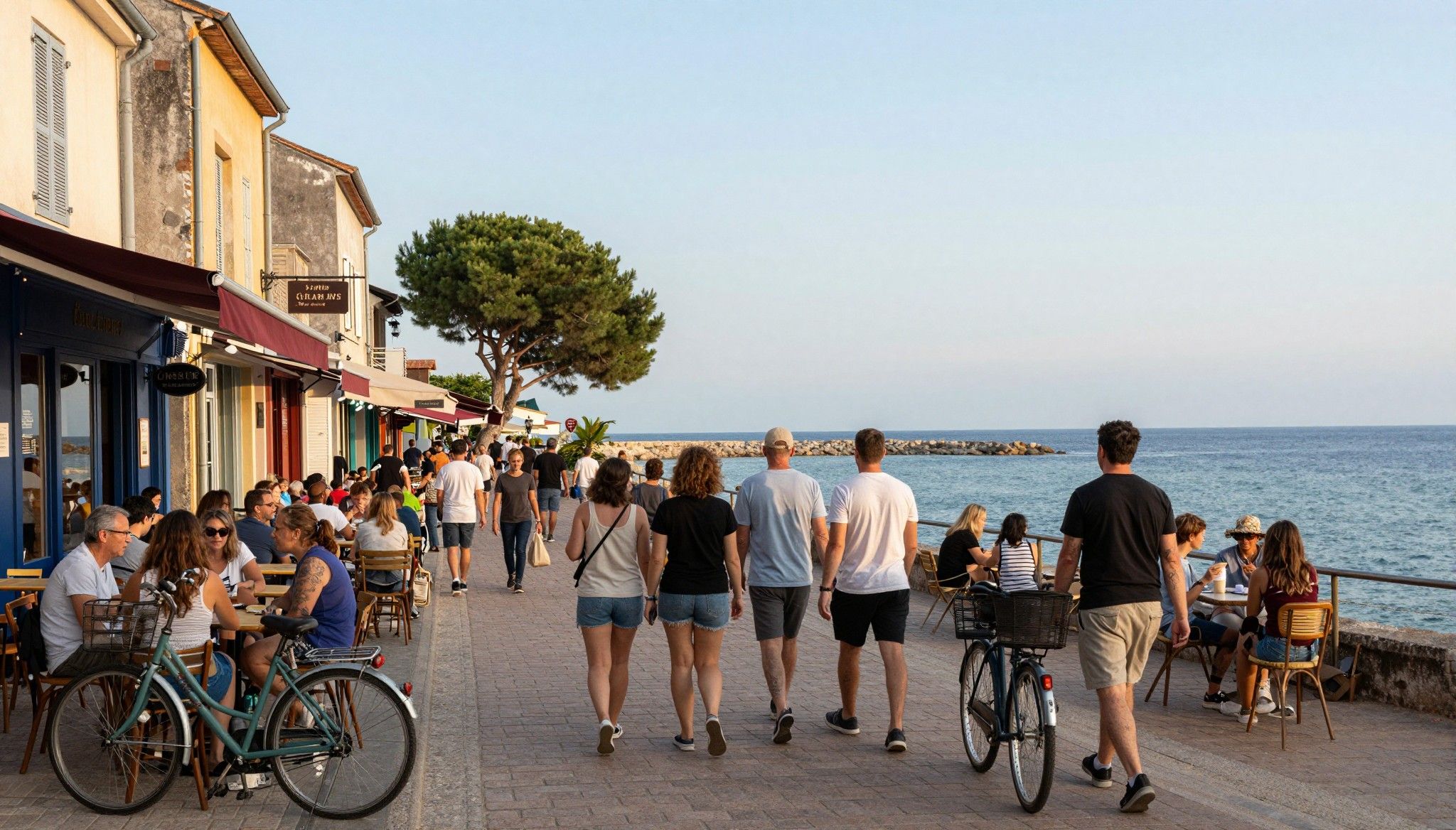
Imagine sipping espresso on a shaded table in Larnaca’s Finikoudes, then walking five minutes to a sea-front apartment you own. Cyprus trades in sunlit routines—beach mornings, village tavernas at dusk, and a slow rhythm that makes ordinary weekends feel like a holiday. That lifestyle is the promise international buyers fall for. But behind those terraces and tavernas are taxation rules, VAT quirks and Land Registry realities that materially change the cost and timing of making that life yours.
Living the Cyprus lifestyle

Cyprus lives outdoors: coffee culture in Nicosia’s old town, early-morning swims at Fig Tree Bay, and late nights in Limassol’s Molos promenade. Streets are a patchwork of Mediterranean and British inheritance—English is widely spoken, bakeries open at dawn, and village festivals (panigyria) fill summers with shared plates and bouzouki. For buyers, this means properties with terraces, shaded courtyards, and good airflow matter more than an extra bedroom: life happens outside.
Neighborhood spotlight: Limassol Marina to Paphos Old Town
Limassol Marina offers cosmopolitan seaside living—cafés, marina walks, and new-build apartments with concierge services. Paphos Old Town trades that gloss for stone lanes, fish tavernas, and restored houses where neighbours still know each other. Both deliver Cyprus’ core appeal but ask different things from a property: maintenance levels and communal fees rise with marina living, while restoration projects in Paphos demand local planning insight.
Food, markets and everyday rituals
Weekend market runs—Nicosia’s Ledra Market or Limassol’s Municipal Market—shape daily life: fresh halloumi, local olives, small-batch zivania. Cafés double as social offices for expats; many agents and lawyers are found over coffee rather than formal meetings. That relaxed cadence affects buying patterns: offers made in person after a market stroll often close faster than online-only approaches.
- Lifestyle highlights: real places and moments
- Morning espresso at Ouzeri Tou Stavrou (Paphos) and a coastal walk on Kennedy Avenue (Limassol)
- Sunday market at Larnaca’s Old Port; buying fish, chatting with fishermen, and timing property viewings for the afternoon calm
Making the move: lifestyle meets tax reality

Before you fall in love with a terrace view, understand the one-two punch of VAT and transfer fees—what looks cheaper on the brochure can cost more after tax rules and registration. Cyprus treats new-builds and resales very differently: new properties usually carry VAT (with complex reduced-rate conditions), while resales attract Land Registry transfer fees that can be halved in some cases. These rules influence whether a concierge-style apartment is genuinely cheaper than an older townhouse inland.
Why the VAT story matters more than sellers admit
Cyprus offers a reduced 5% VAT for qualifying first residences but the criteria are specific: the buyer must be a natural person, the home must be a primary residence for 10 years, size and value caps apply, and you must apply before handover. Recent legislative tweaks (post‑2023) narrowed size/value thresholds for many projects. If you accept a developer’s advertised price without confirming eligibility, you can suddenly face a higher VAT bill or a clawback if you later rent or resell within the protected period.
Property styles and what they cost to live in
Modern marine-front developments supply convenience—security, pools, and higher communal charges—while village houses require more hands-on maintenance but often lower ongoing fees. If you value outdoor living, prioritize orientation, shading and cross-ventilation over square metres; a smaller, well-placed apartment with a large terrace will deliver more of the Cyprus life than a deeper indoor layout.
- Six practical steps that blend lifestyle and tax sense
- Confirm whether the property is subject to VAT or transfer fees before signing.
- Ask the developer for a written VAT eligibility certificate and deadlines for applying for a reduced rate.
- Split ownership (when appropriate) to reduce transfer-fee bands—this can materially lower the final fee.
- Budget for municipal and communal fees—seaside complexes often charge considerably more for services.
- Verify title and planning history: old informal extensions can delay title issuance and cost months (or legal fees).
- Engage a lawyer early to run Land Registry searches and to calculate estimated transfer fees using official tools.
Insider knowledge: expat realities and red flags
Expats often underestimate geopolitical and legal quirks. Sales and developments in the breakaway northern areas carry complex title risks and have led to prosecutions; avoid anything without clear, registrable title and independent verification. Local experience matters—agents with on-the-ground reputation and lawyers fluent in property law will flag problematic plots before you commit.
Cultural integration and everyday practicalities
Language is rarely a barrier—English is widely spoken in business, but learning basic Greek opens doors in village life. Social norms favour personal introductions; an agent who introduces you to local neighbours or a coffee meet-up speeds integration and practical problem-solving, from arranging tradespeople to understanding municipal procedures.
Long-term planning: resale, rentals and taxes
If you plan to rent, note that reduced-VAT primary residence concessions will be voided if the property becomes an investment within the protected period—this can trigger retroactive VAT payments. Capital-gains, municipal taxes and rental income rules should be modelled into 5–10 year scenarios so you can compare net returns against pure lifestyle value.
- Red flags every buyer should watch for
- Unclear title history or properties advertised for sale in partitioned/occupied areas.
- Developer promises of VAT reductions without written evidence or pre-approval.
- Omitted communal costs or ambiguous management company arrangements in contracts.
- Verbal-only arrangements on renovations, parking or access—insist everything is in the contract.
Conclusion: fall in love, but sign with your eyes open. Cyprus delivers an outdoor, social Mediterranean life that feels immediate and accessible. To make that life sustainable, pair a clear lifestyle brief (where you want to eat, swim and socialise) with early legal and tax checks: confirm VAT status, run Land Registry searches, and budget accurately for transfer fees and communal charges. Work with an agent who knows local cafés as well as closing costs; the best ones help you find a home you’ll use every day, not just admire on holidays.
Swedish strategist who relocated to Marbella in 2018. Specializes in legal navigation and tax planning for Scandinavian buyers.