France: Love the Life — Know the Fees & Residency
France sells a lifestyle — markets, cafés and seasons — but buyers misread costs. Learn real purchase fees, residency pitfalls and practical checks tied to neighbourhood life.

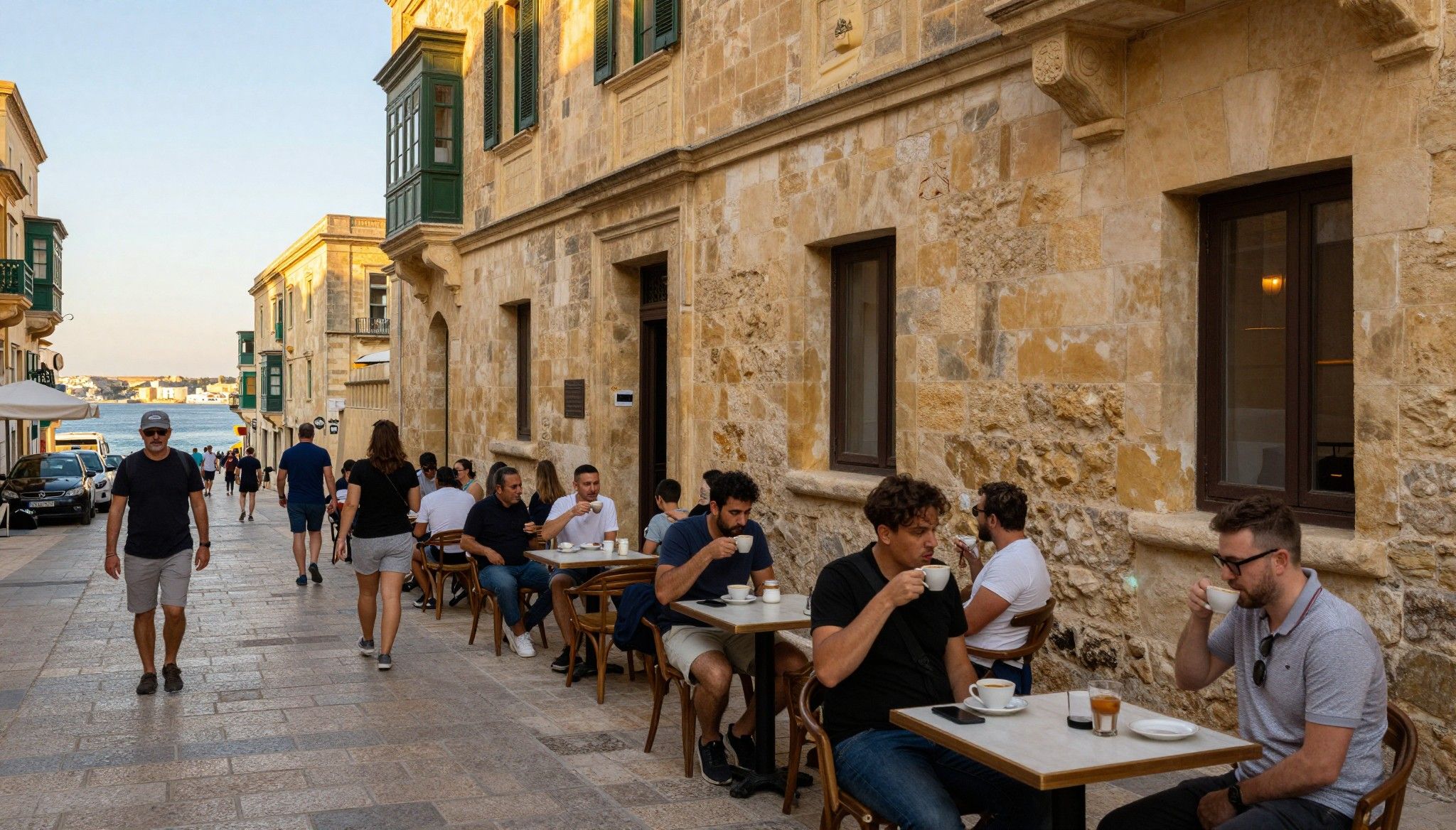
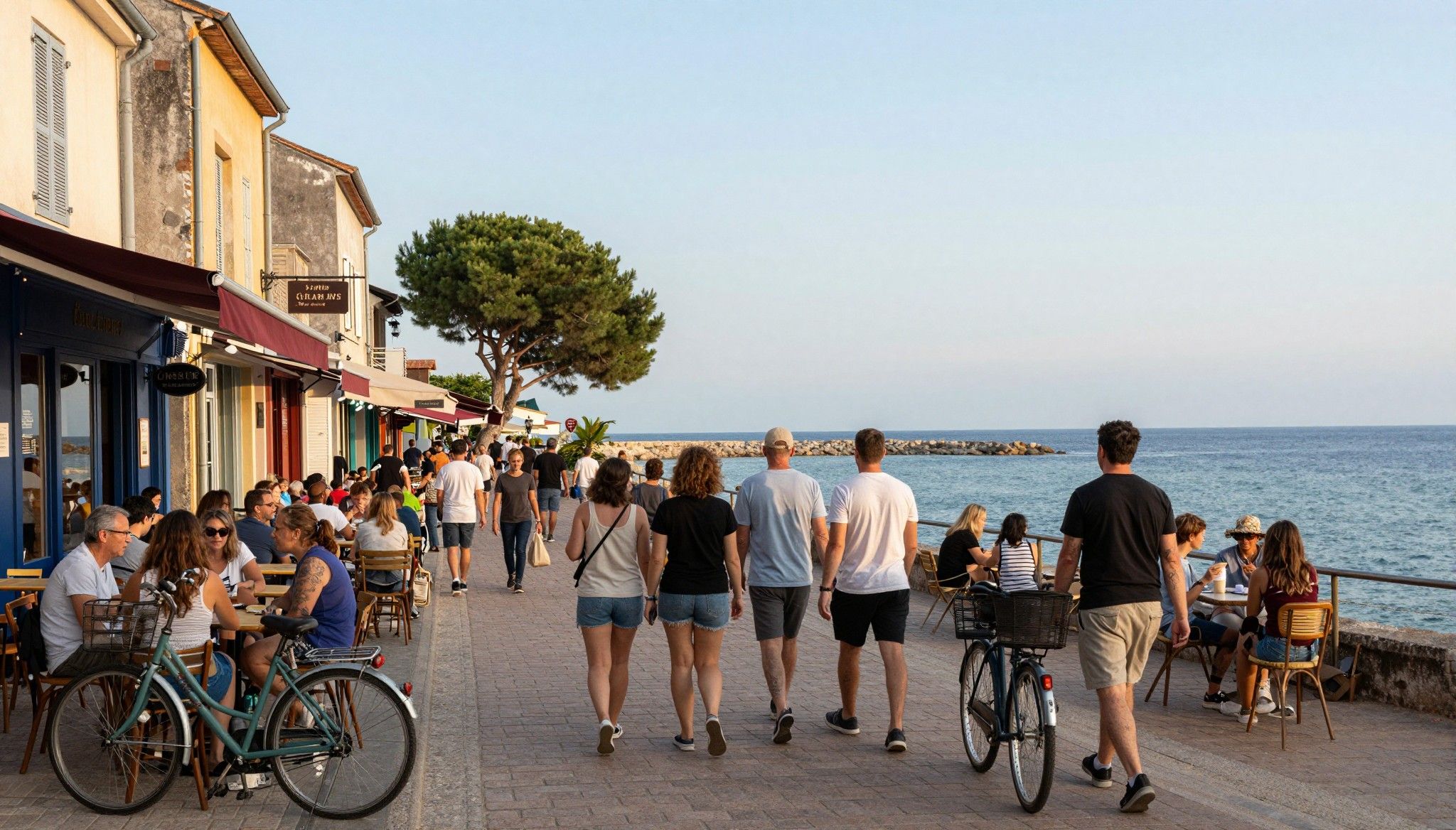
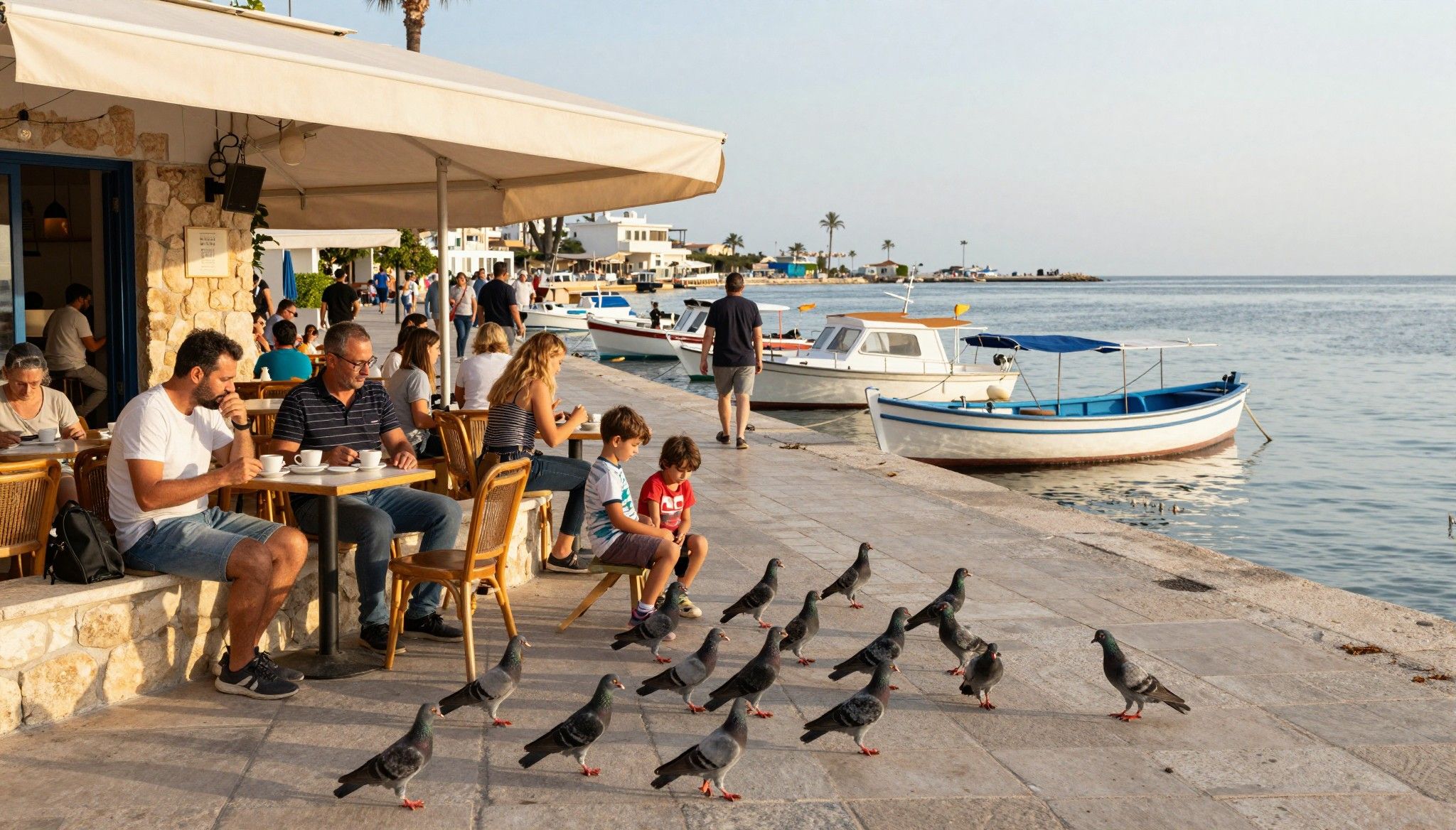
Imagine a Saturday morning market on rue Cler in Paris, a fisherman's breakfast in Le Grau‑du‑Roi, or a late-afternoon espresso on Nice’s Promenade des Anglais — France is a collection of everyday rituals that shape how you live, not just where you sleep. But that warm, lived-in romance collides with an often-misunderstood set of taxes and fees that surprise many international buyers at contract stage. This piece walks you through the cultural rhythms that make France irresistible, then strips back the myths about purchase costs, residency rules, and what an agency should actually do for you.
Living the French life — senses, seasons and neighbourhoods
France’s daily life varies dramatically by region: Paris pulses with café work culture and evening theatre; the Côte d'Azur moves at a measured seaside cadence of markets and promenades; rural Dordogne and Brittany reward a slower, community-centred pace where Saturday markets are social currency. Weather and seasons rewrite routines: summers are outdoor dining and village fêtes, winters are about cocooning in stone houses with central heating and hearty stews. When you choose a place here you inherit not only bricks, but a calendar of local life — market days, school timetables, and municipal rhythms that shape when shops open and neighbours gather.
Neighbourhood spotlight: Marais, Vieux‑Nice, and Saint‑Germain
Walk the Marais at 10am and you’ll see independent galleries and neighborhood bakeries that define daily living; the mix of historic façades and small, privately owned apartments attracts buyers who want city life with human scale. In Vieux‑Nice, narrow streets lead to open markets like Cours Saleya, and a small apartment here trades liquidity for instant seaside living. Saint‑Germain embodies the literary café culture — perfect for buyers who want to socialise in walking distance and accept higher per-square-metre prices for that rhythm.
Food, markets and the season that tells you where to look
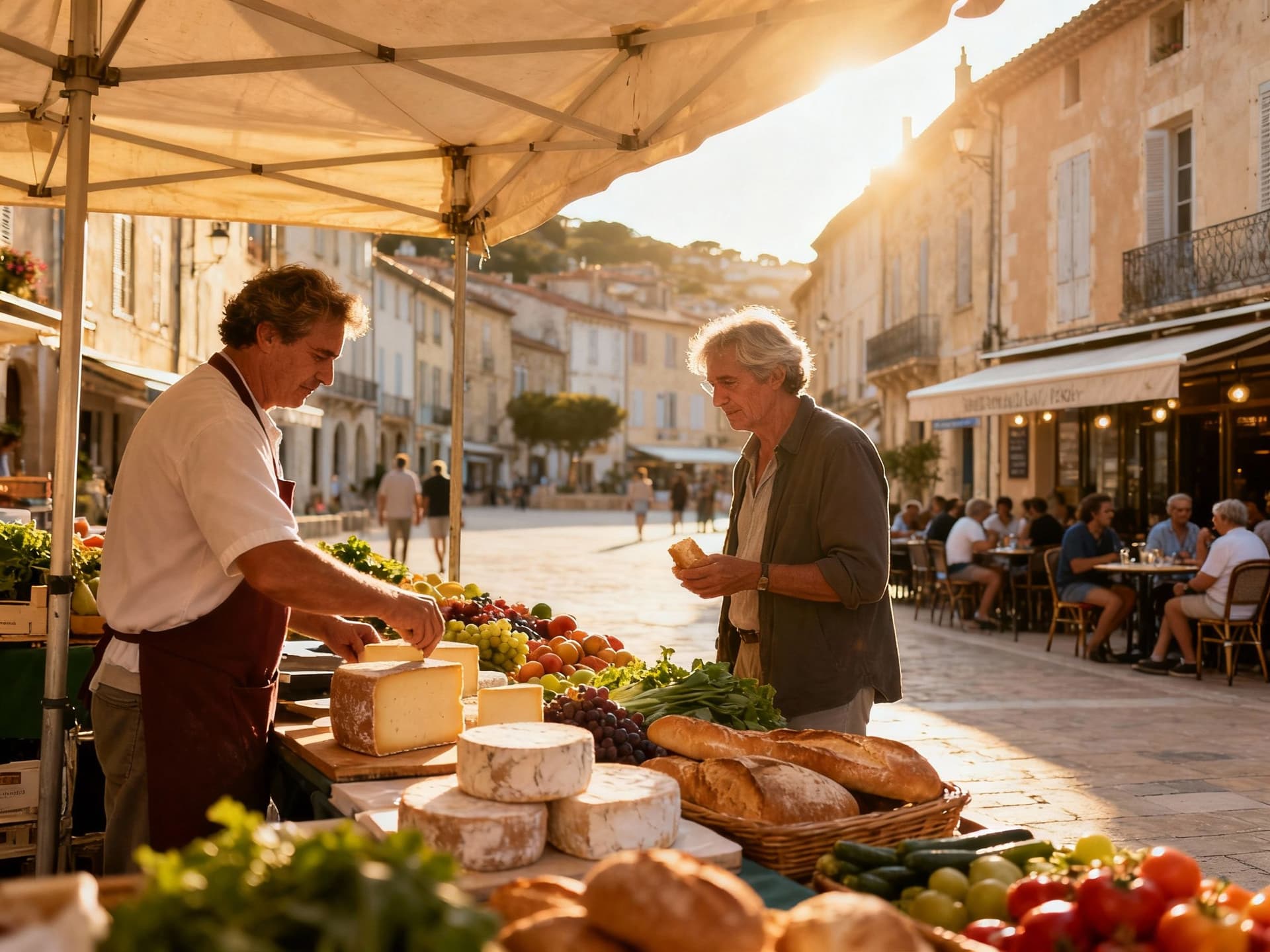
Markets are the social backbone: rue Mouffetard in Paris, Marché Forville in Cannes and Cap Ferret’s oyster stalls shape weekends and influence what kind of kitchen or storage you’ll need. If you imagine a life of farm‑to‑table weekends, properties with a proper kitchen, pantry and outdoor space matter more than a second sea view. Festival seasons — like Cannes in May or harvest season in Bordeaux and Burgundy — temporarily change short‑let dynamics and local services; timing your search around them reveals which neighbourhoods swell with visitors and which stay quietly local.
- Weekend rituals and hidden gems: • Morning market at rue Cler (Paris) or Marché Forville (Cannes) • Aperitif terraces on Place Rossetti (Nice) • Sunday brocante (fleamarket) stalls in Aix‑en‑Provence • Oyster boats and casual seafood at Cap Ferret • Early winter walks along Étretat cliffs
Making the move: rules, costs and the myths that mislead buyers

Here’s the blunt truth: France is not a single market. Local taxes, departmental levies and state duties combine to create transaction costs that most international buyers underestimate. The common myth — “notary fees are the notary’s payment” — is wrong: the majority of 'frais de notaire' are state transfer taxes and registration costs. Understanding what is payable at signing (acte authentique), what is recurring (taxe foncière, taxe d'habitation in limited cases, and local charges), and how residency affects taxation will save you tens of thousands of euros and a lot of anxiety.
What you actually pay at purchase
For resale (ancien) properties expect roughly 7%–8% of the purchase price in notary and registration costs; for new builds (neuf, VEFA) this falls to around 2%–3% because VAT replaces transfer duties. The notary’s regulated emoluments are only a small part of that total — the rest goes to registration duties and departmental percentages, which can move slightly by location. Always request a 'simulateur de frais de notaire' early and budget the fee from your own funds; French lenders rarely cover those costs as part of the mortgage.
Residency, visas and tax residency pitfalls
Buying property in France does not automatically grant residency. Non‑EU buyers need to consider long‑stay visas, and tax residency is a separate test judged on factors such as main home, professional activity and centre of economic interests. If you cross the threshold into French tax residency you may be liable for worldwide taxation in France; conversely, remaining non‑resident affects how rental income and capital gains are taxed. Speak to a cross‑border tax adviser before accepting an offer if your time split between countries is uncertain.
- Step-by-step practical checklist for international buyers: 1. Get pre‑approval conditional on non‑resident status and confirm down payment requirements (expect 10%–20% plus frais de notaire). 2. Ask your agent for a detailed 'estimate of charges' (estimation détaillée des frais) before signing a provisional contract (compromis de vente). 3. Commission a local notary who can explain departmental transfer taxes and any kataster/servitude surprises. 4. Run residency/tax scenarios with a bilingual tax adviser — compare outcomes as resident vs non‑resident. 5. Confirm insurance (assurance emprunteur) terms and local energy performance requirements (DPE) that can affect renovations and resale.
Insider knowledge: what expats wish they’d known
Expat buyers often tell the same stories: they fell for atmosphere and later discovered maintenance realities, local administration pace, or higher-than-expected running costs. Practical things — like how often municipal councils change rubbish collection schedules, how water and heating charges are apportioned in copropriété, or that a roof repair can require mairie approvals in protected zones — make a big difference to day‑to‑day life. Data-wise, national trends show modest price growth in many regions; consult INSEE and notaires data for hard numbers but pair that with local agency insight to understand micro-trends.
Cultural cues that affect property choices
French neighbours value privacy and community rules; in many towns, a loud renovation can trigger local complaints if permits aren’t visible. Communication style is formal at first — written letters, appointments, and clear paperwork — but warms quickly once trust is built. Learning a few phrases and meeting municipal staff can accelerate approvals and build goodwill; agencies that provide bilingual support and local introductions save time and protect your purchase.
- Top red flags and how to spot them: • Vague charge estimates in the compromis — insist on itemised costs • Missing energy performance certificate (DPE) for older properties • Unexplained easements (servitudes) revealed only in final title • Shared ownership (copropriété) with large arrears — ask for the syndic’s accounts • Offers accepted 'subject to undisclosed conditions' — require everything written
If a neighbourhood’s pace and local rules suit your life, the right agency acts as cultural translator, tax‑aware guide and trusted negotiator. Ask potential agents for recent client references who live in your target arrondissement or village, and request examples of recent deals where they resolved cross‑border tax or residency issues. Good agencies reduce surprises by coordinating notaries, accountants and translators before you sign.
Conclusion — fall in love, but prepare the paperwork. Picture yourself at a local market, a coffee in hand, keys to a modest apartment or a country house that fits your weekly rituals. Then trace back from that scene: budget for notaire and registration duties, confirm your residency and tax plan, and partner with an agency that knows both the lane with the best boulangerie and the departmental quirks that affect transfer taxes. Take those steps and the dream becomes a durable, affordable life in France.
Dutch investment strategist with a Portugal-Spain portfolio. Expert in cross-border financing, rights, and streamlined due diligence for international buyers.