France’s Tax Myths: Why Neighbourhoods Drive Costs
Debunking France’s tax myths: how neighbourhood choices, not headline taxes, determine actual costs — backed by INSEE and official fee guidance.
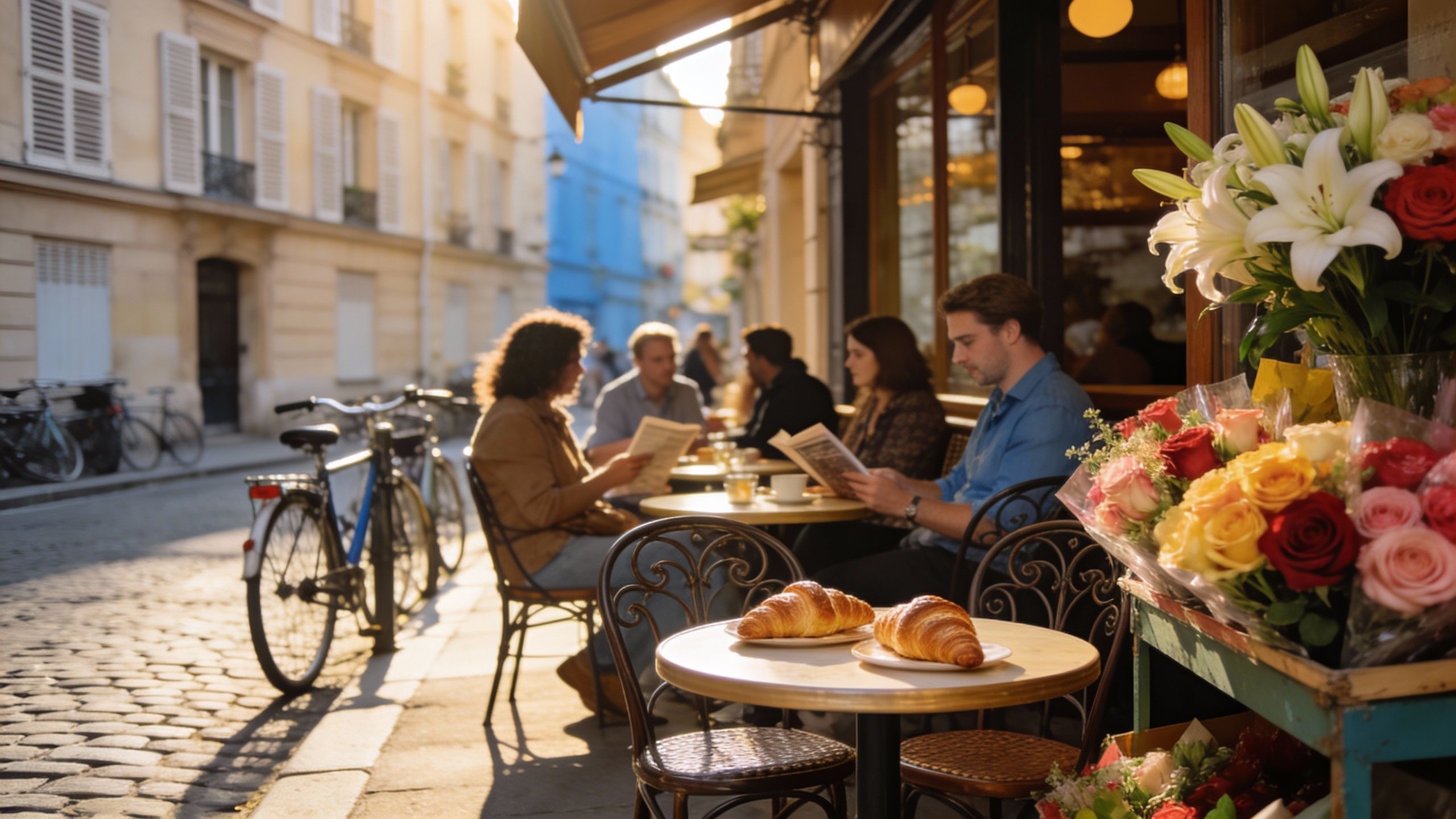
Imagine sipping espresso on Rue Cler in Paris, then driving two hours to a sun-drenched Provençal market where lavender scent mingles with roast chestnuts. France feels like a set of neighbourhoods: lively terraces in the 11th arrondissement, sleepy stone lanes in Dordogne, and the postcard-blue coves of the Côte d'Azur. For many international buyers the dream is both simple and layered: neighbourhood rituals, reliable services and properties with character. Yet talk of 'crushing tax bills' or 'opaque fees' often derails plans before the first viewing — and that's where myth meets market data. According to recent market analysis, regional price shifts and policy tweaks matter far more than headline tax scares. cite
Living the France lifestyle
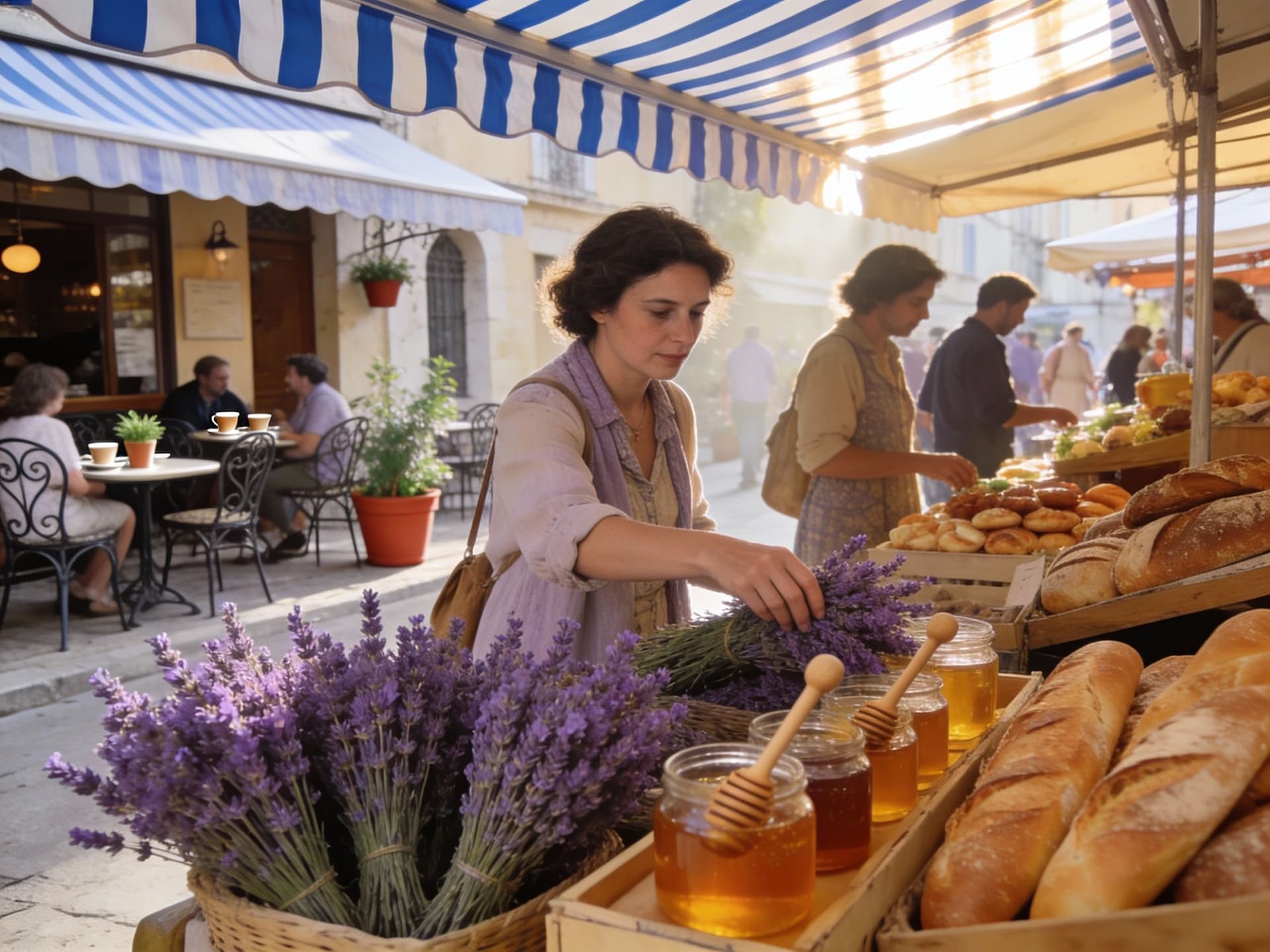
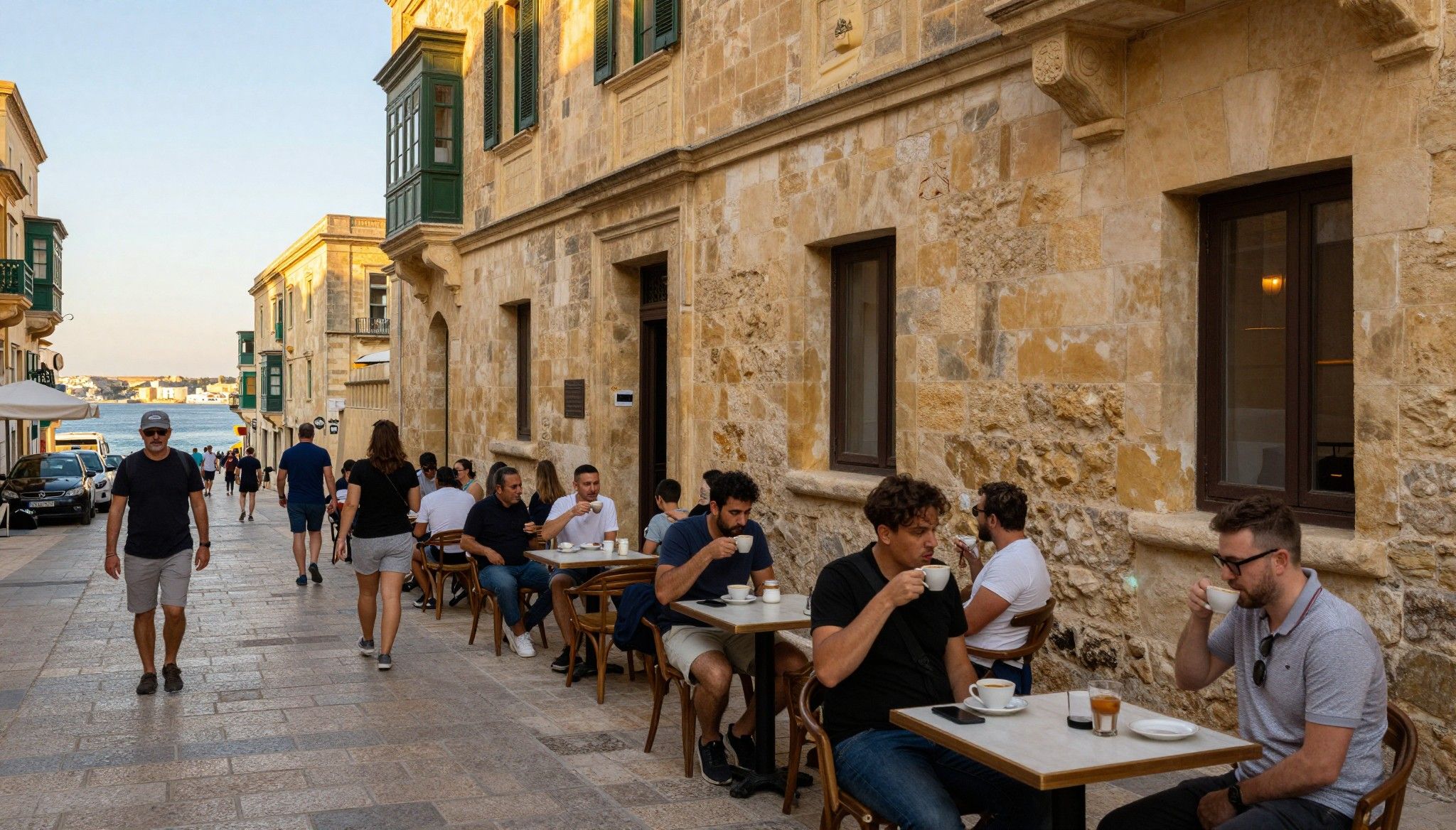
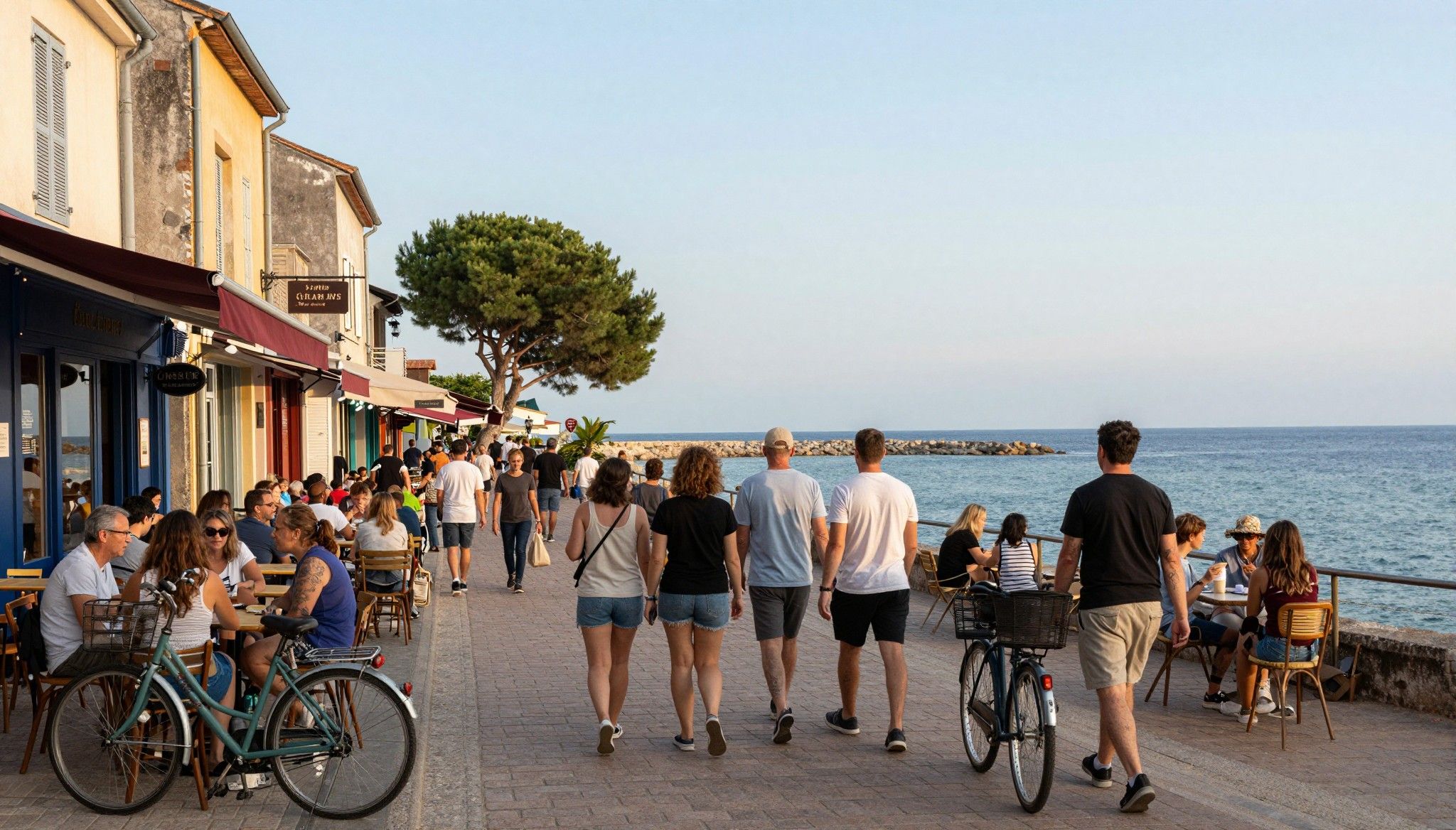
France is a mosaic of daily rhythms. In Lyon you find after-work bouchons where neighbours trade news; on the Atlantic coast, weekends belong to surf and marché stalls; in Nice and Cannes the tempo is sunnier and more tourist-synced. These lifestyle differences shape what people buy: compact apartments for urban social life, rustic longère farmhouses for slow weekends, and villas or pieds‑à‑terre on the Riviera for seasonal living. Understanding how you want to live here — street-corner coffee, local market runs, or mountain weekends — keeps your property choices aligned with actual costs and planning rules.
Neighbourhoods that show how France varies
Paris’s 11th and 20th arrondissements offer café culture and active street life at relatively lower per‑square‑metre prices than central arrondissements, while Île‑de‑France suburbs trade proximity for space. In the Southwest, towns like Saint‑Jean‑de‑Luz and Biarritz balance surf culture with a calmer year‑round community; inland, Dordogne villages offer stone houses for renovation with markedly lower transaction prices. The Riviera concentrates high prices in small pockets — Saint‑Jean‑Cap‑Ferrat and Saint‑Tropez command premiums — but broader Provence and Var can deliver coastal lifestyle at lower effective entry points when you look outside headline towns. Understanding these micro-differences helps translate lifestyle wishlists into realistic budgets.
Food, markets and the weekly rhythm
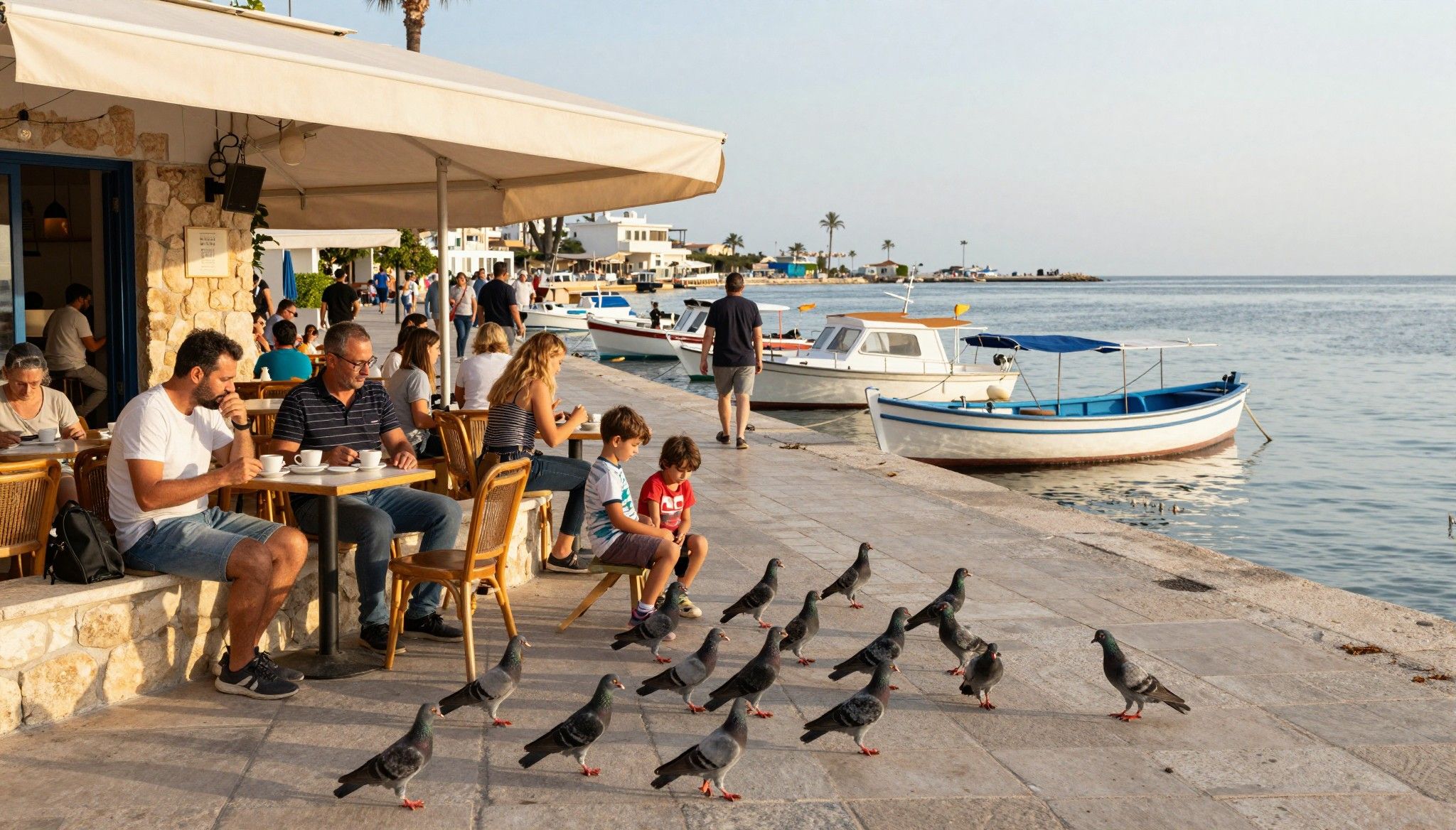
Mornings here are market-driven: Provençal stalls, Breton oysters, Lyonnaise charcuterie. These markets are more than charm — they influence neighbourhood desirability, seasonal rental demand and long-term value. Notaire data shows that coastal southern departments remain the priciest for houses, while inland departments can offer substantial value if your lifestyle tolerates less tourist flux. When you fall for a neighbourhood café or a Saturday marché, factor in how that amenity affects liquidity and local taxes. cite
- Market-to-life highlights:
- Rue Cler (Paris): daily food culture and easy access to services
- Cours Mirabeau (Aix‑en‑Provence): terraces, festivals and a stable year‑round community
- Dordogne village lanes: lower entry prices, renovation projects, slower pace
- Biarritz/Basque Coast: surf culture, international schools, boutique rental demand
Making the move: practical considerations that keep the dream honest

Buying in France blends predictable local rituals with specific fiscal mechanics. ‘Frais de notaire’ and local taxes matter, but their impact is clearer once you separate fixed acquisition costs from recurring ownership costs. For second‑hand properties, notary-related taxes and duties commonly add roughly 7–8% to the purchase price; new-build (VEFA) purchases carry lower transfer taxes. Recent legal changes allow some departments to raise mutation duties slightly, so your final figures depend on location as much as property type. Planning around these numbers turns anxiety into calculation. cite
Property styles and what they mean for living costs
A Parisian apartment offers lower maintenance and municipal services but higher per‑m² price and strict copropriété (condominium) rules; a restored country stone house often means larger land and higher renovation and heating costs, especially if the building is energy class G. Since January 2025 new rental rules ban letting homes rated G without improvements — a practical consideration if you plan to rent. Factor energy performance, insurance (assurance habitation) and local council taxes into your running cost model before you sign. cite
Working with local experts who know the lifestyle
Choose agents and notaires who speak your language and understand the neighbourhood rhythm you want. A good agent translates café culture into realistic price bands; a notaire explains exact tax lines and any easements or servitudes that will shape how you use the property. Local property managers or syndic boards will tell you whether a block is investor-friendly or community-oriented — and whether the neighbourly Saturday market is an asset or a noise problem for year‑round living.
- Steps to align lifestyle and costs:
- List 1: Map three neighbourhoods you love and note average m² price differences between them.
- List 2: Request an emphatic cost sheet from a notaire that breaks down DMTO, registration tax, and expected recurring taxes.
- List 3: Factor energy retrofit costs early (mandatory for lettings if EPC is G) and get quotes before budgeting.
Insider knowledge: what expats wish they'd known
Expats often underestimate how local rules and community life shape daily satisfaction. Simple items — market opening days, bin‑collection schedules, and the cadence of local fêtes — make or break integration. Equally important are formalities: owning property in France does not grant residency; visas and carte de séjour remain separate processes. Treat neighbourhood fit and legal residency as parallel projects; getting both right accelerates the life you came for.
Cultural integration, language and social scene
Daily life benefits from learning enough French to handle utility set‑ups, rental contracts, and market bargaining. Joining a local association, volunteering at a marché, or taking cooking classes are proven ways to make friends and learn municipal rhythms. Many expats say that learning to ask about mairie services and attending a council meeting gave them more practical insight than months of online research. Remember: owning a house is one step — living like a local is another.
Long‑term lifestyle and planning
Think in five- and ten‑year slices: will the town retain services, will seasonal rental demand hold, will energy regulations require retrofits? France’s regional differences mean some areas will appreciate while others remain steady; INSEE and notaires’ data show national stabilisation after recent corrections, but local trends diverge. Build contingency into your budget for taxes and energy works, and choose a neighbourhood where the lifestyle you want is durable, not ephemeral.
- Expat red flags to watch:
- An agent who avoids local syndic accounts — ask to see them.
- Properties with energy class G slated for rental without a plan for retrofit.
- Assuming property ownership equals residency — it does not.
Conclusion: France rewards specificity. Fall in love with streets and markets first, then build a purchase plan that translates that lifestyle into realistic numbers. Use INSEE and notaire data to size price bands, ask notaires for a complete fee breakdown, and work with local agents who can show you both the café and the council tax notice. That way the dream (Sunday marché, sunny terrace, neighbourly aperitif) becomes a lived reality rather than an unaffordable postcard. Take one small step: pick three streets you love, ask an agent for comparable sales, and request a notarial fee estimate — you’ll soon see where romance and reality meet. cite
Danish relocation specialist who has lived in Barcelona since 2016. Helps families move abroad with onboarding, schooling, and local services.