How France’s Lifestyle Choices Change Tax and Value
France’s daily life is irresistible — but non‑resident tax rules, notaire fees and local market shifts materially change your cost and timing; check Notaires and impots.gouv first.

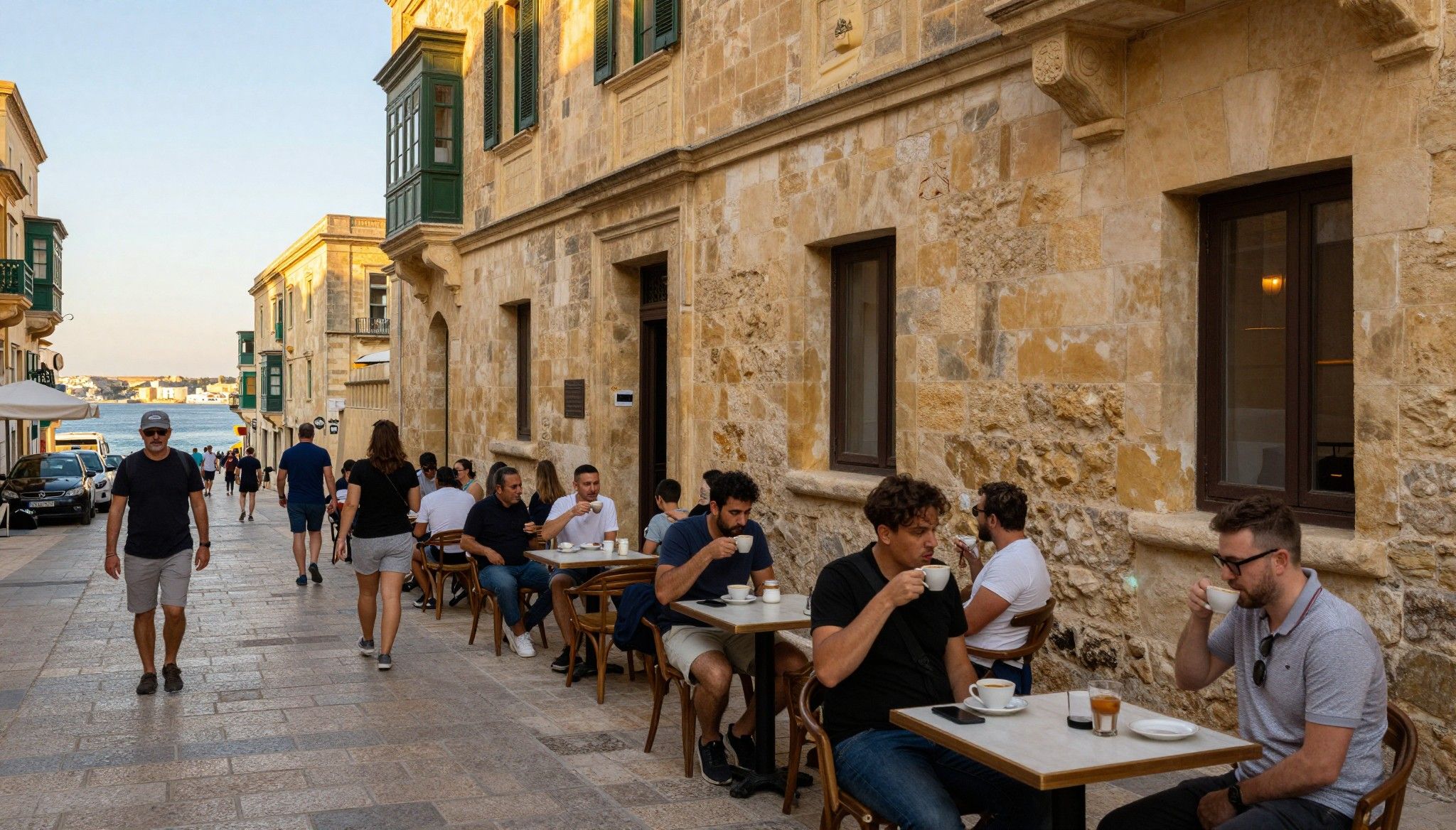
Imagine morning light on a café table in Le Marais, the smell of fresh boulangerie croissants, and a neighbour who knows every market stall on Rue Cler. That is France: a rhythm of markets, midweek aperitifs and weekend escapes to coast or countryside — and behind that rhythm sits a complex tax and regulatory tapestry international buyers must understand. Recent market analysis shows pockets of price resilience and local variation; knowing how tax rules and residency status reshape a purchase is as important as falling in love with the street.
Living the France life — where everyday texture meets property choices

France is plural: coastal summer communes like Biarritz and Cassis; compact, café-dense arrondissements in Paris; and honey‑stone villages in Dordogne. Daily life is sensory — outdoor markets at 08:00, lunch that lasts, and neighbourhood boulangeries that double as social anchors. Those rhythms determine what you need from a home: a sunny balcony in Marseille, a compact courtyard in Lyon, or a heated cellar in Alsace for winter wines.
Neighbourhoods that define how you live
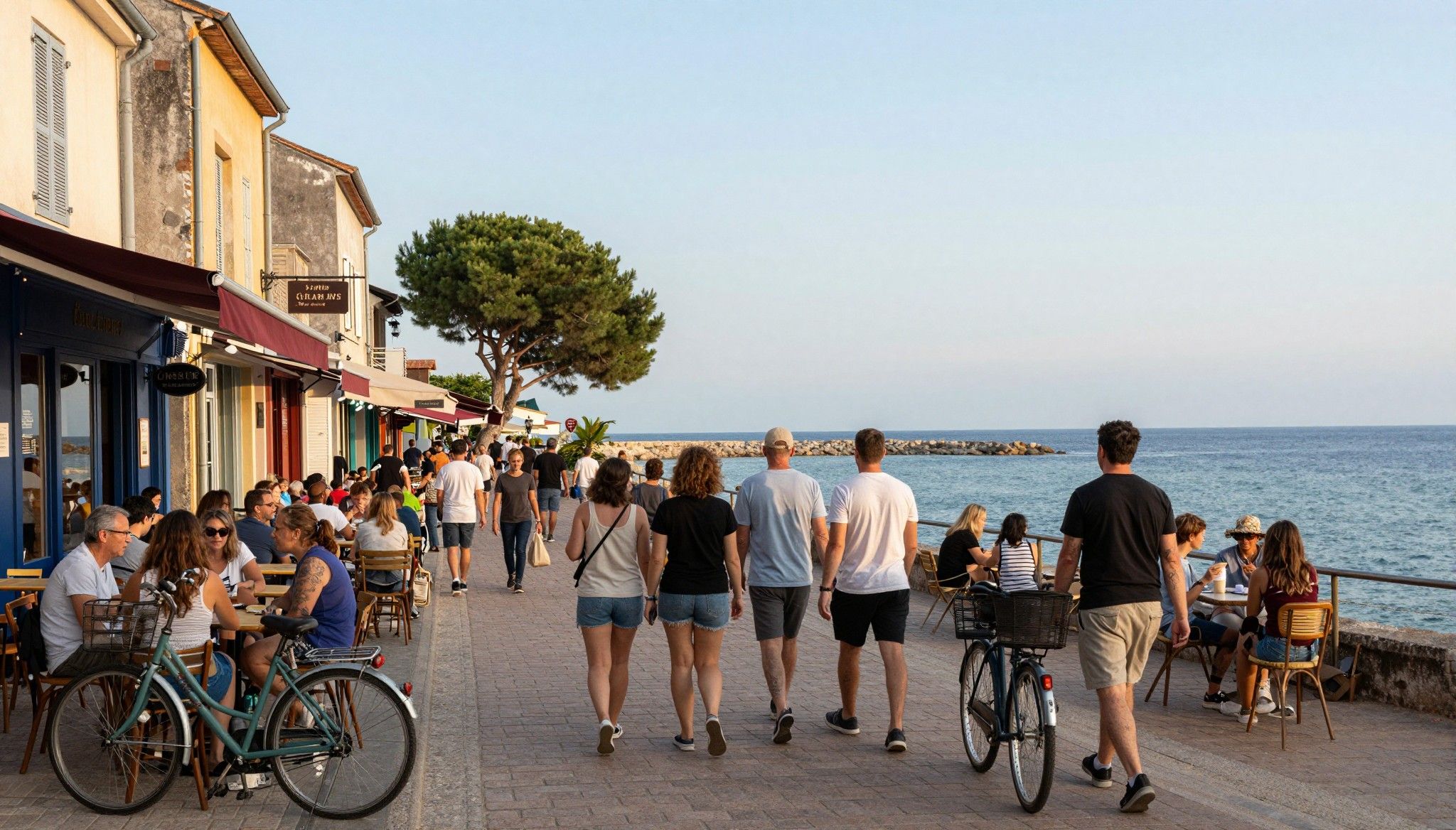
Pick Le Marais and you’ll trade storage for cafés and cobbles; choose Vaugirard and you buy space and schools. On the Côte d’Azur, neighborhoods such as Antibes’ Vieil Antibes offer market mornings and walkable beaches; Nice’s Port area gives buzzy evenings and short-term rental demand. Each micro‑choice — street orientation, ground‑floor cafés, proximity to a marché — has tax and rental implications, from régime fiscal for furnished lets to permit rules for short‑lets.
Food, markets and seasonal life — assets that change property value
Weekends in France often revolve around a marché: Marché d’Aligre in Paris, Cours Saleya in Nice or the fish market in La Rochelle. These local economies keep neighbourhoods alive off-season and support year-round rentalability. For buyers, proximity to markets and services correlates with steady demand and lower vacancy risk when you rent the property.
- Lifestyle highlights to watch when choosing where to live
- Morning market routines: Marché d’Aligre (Paris), Cours Saleya (Nice)
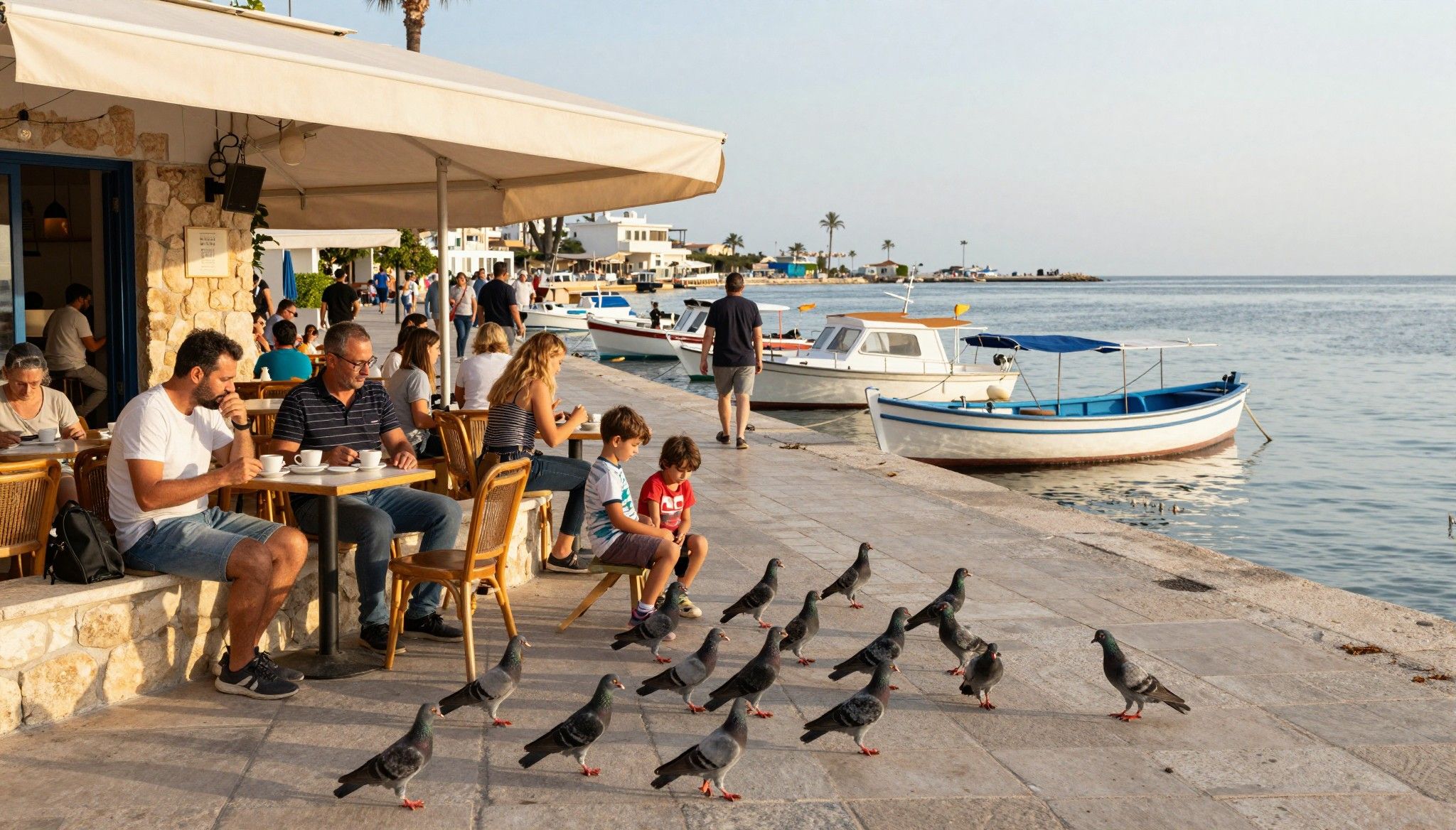
- Coastal walks and small ports: Antibes’ Quai des Milliardaires vs quieter Golfe-Juan
Making the move: practical considerations that protect the lifestyle

Dreams meet paperwork fast. National averages conceal extremes: Notaires data shows wide variance between Paris and many regional départements, so first confirm price per m² in your target arrondissement or village before budgeting. Local taxes, transfer costs and possible rental rules change the effective price of ownership more than a glossy view does.
Property types and what they mean for daily life
An apartment in Paris gives access to culture and cafés but often means higher purchase‑to‑net‑income ratios and strict syndic (condo) rules; a village farmhouse brings land and privacy but additional maintenance, energy retrofits, and sometimes weaker broadband. Match the physical property with the life you want: terrace breakfasts require sun exposure and orientation; a garden needs local water rules and upkeep costs.
Tax rules you can’t ignore: non‑residents face a 19% capital gains tax plus social contributions (total rates typically 26.5% for EEA‑affiliated sellers and up to 36.2% otherwise). Residency status — whether France is your fiscal home — determines income taxation and social levies. These aren’t abstract numbers; they affect how and when you sell, how you structure rentals and whether you keep a second home.
- Steps to align lifestyle goals and tax reality
- Map neighbourhoods by daily routines: markets, schools, commute times — visit on a weekday and a weekend.
- Ask your notaire for an all‑in acquisition cost estimate (droits de mutation, notaire fees) and check if the property is 'ancien' (used) or 'neuf' (new) — fees differ materially.
- Confirm tax treatment of future capital gains depending on your residence and social security affiliation; plan for withholding at sale if you are non‑resident.
Insider knowledge: what expats wish they'd known earlier
Expat reality often diverges from romance. Many discover seasonal silences — coastal towns quiet in winter — and unexpected local rules: short‑let permits in some cities, syndic levies that absorb renovation budgets, and energy performance requirements that demand investment. Market cycles matter too; recent coverage shows a market that corrected modestly then began stabilising, so timing and local insight change outcomes.
Cultural integration and daily practicalities
Learning a few phrases, joining a local marché circle, and knowing the calendar (school vacations, municipal market days, annual fêtes) speed integration. Neighbours matter more in smaller towns — the person who runs the boulangerie often becomes your go‑to for repairs and local news. That social capital reduces friction when dealing with mairie permits, syndic meetings or informal neighbourhood trades.
Long‑term considerations: sustainability, inheritance and legacy
Think beyond purchase: energy retrofits (diagnostic de performance énergétique) affect marketability; inheritance laws (forced heirship) shape estate planning; and local development plans can alter neighbourhood character. Engage a bilingual notaire and a local tax adviser early — they bridge lifestyle goals with legal reality and can quantify how a renovation or rental strategy affects net returns.
- Red flags to spot before you fall in love with the view
- Unclear syndic accounts or pending co‑propriété works
- Local zoning projects or PLU plans that may change the street’s character
- Questionable rental history if you expect steady seasonal income
- Mismatch between advertised ‘habitable’ and the energy/thermal reality of the property
If you want help turning the dream into a safe, data‑backed decision, work with teams who combine local lifestyle knowledge and tax expertise. A bilingual notaire, a local estate agent who knows seasonal rhythms and a tax adviser familiar with non‑resident rules will save you money and time.
Conclusion: France offers a life full of market mornings, seaside walks and village fêtes — but the legal and tax scaffolding quietly defines what that life costs. Before you bid, confirm local price per m², get a clear notaire cost estimate, check non‑resident capital gains rules and social security affiliation, and pick agents who sell both neighbourhood life and compliant, tax‑efficient outcomes.
Dutch investment strategist with a Portugal-Spain portfolio. Expert in cross-border financing, rights, and streamlined due diligence for international buyers.