Summer Rental Gold — The Croatian Tax Truth
Croatia’s summer rental boom meets new taxes and tighter short‑term rules—plan for year‑round life, model VAT vs transfer tax, and prioritise local legal checks.
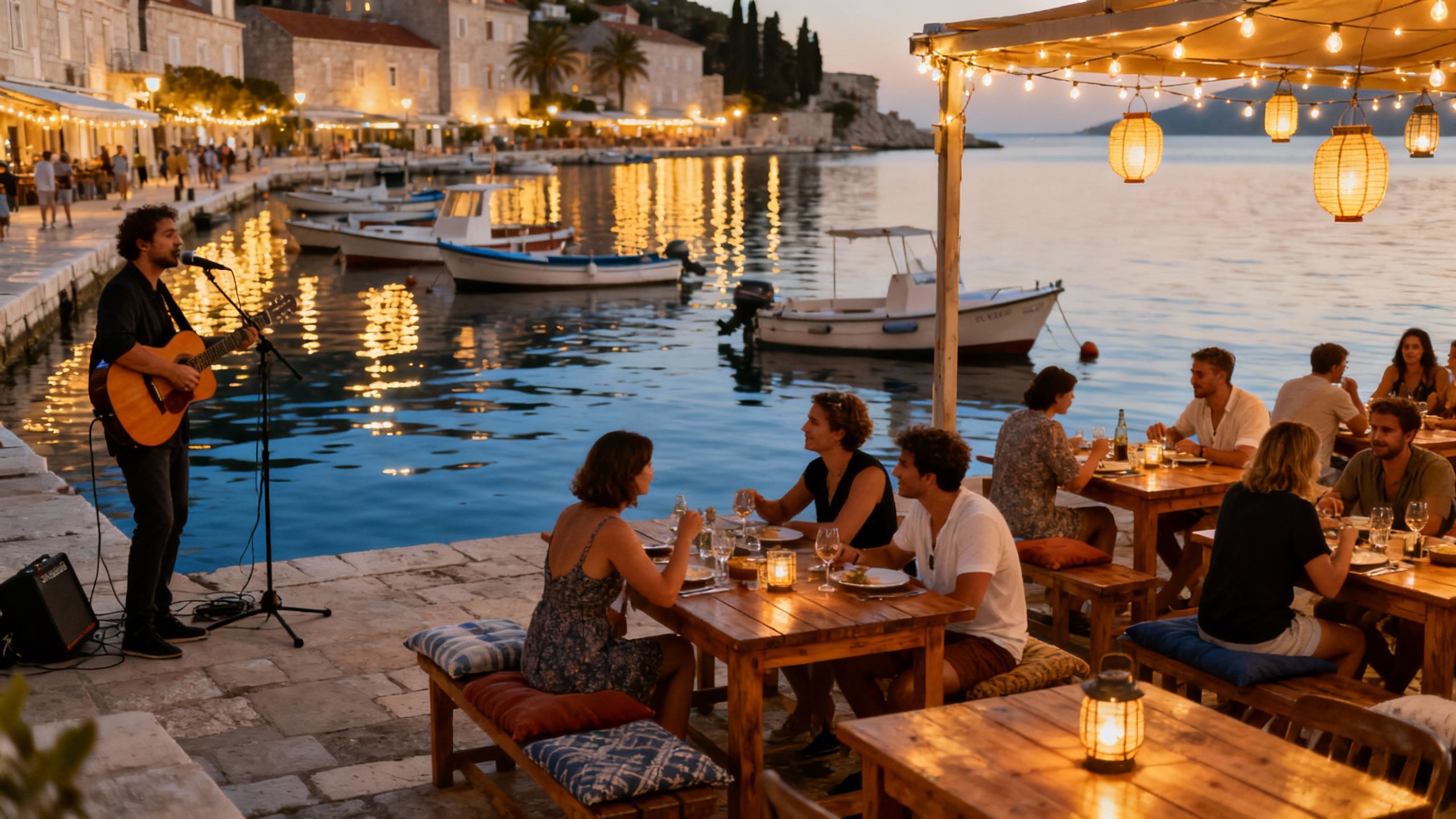
Imagine waking up to the smell of fresh espresso on Split’s Riva, then walking five minutes to a small stone harbour where fishermen sell yesterday’s catch. Croatia’s coast feels like a year-round postcard in the summer: narrow alleys, markets, terraces buzzing until late. But beneath that postcard sheen are policy shifts and tax changes that reshape what ‘buying a holiday home’ actually means for international buyers. Understanding those rules can turn a summer attraction into a sustainable investment—or into an avoidable tax trap.
Living the Croatia lifestyle
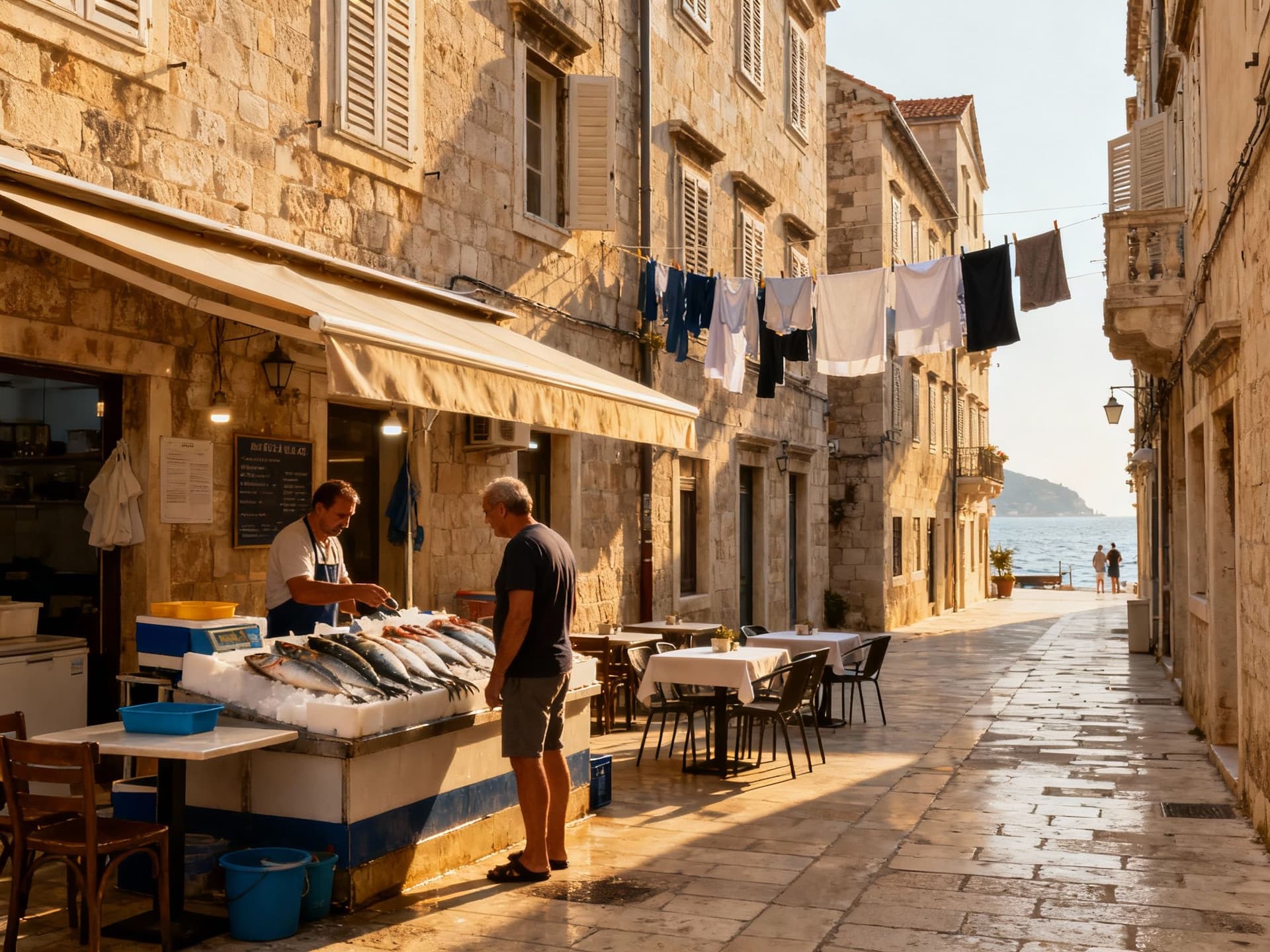
Living in Croatia moves at a coastal rhythm: morning markets and late dinners, slow coffee in the shade of plane trees, and sea-scented breezes that shape daily life. Neighborhoods differ sharply — Zagreb’s layered café culture, Split’s waterfront bustle, Hvar’s island glamour and Istria’s truffle-and-wine villages — but all share accessible nature, walkable squares and a strong sense of place. For buyers picturing weekends of fresh food, coastal swims and friendly neighbourhood bars, the lifestyle case is persuasive. Yet lifestyle and regulation are tightly linked here: tourism policy, municipality rules and recent tax reforms touch daily living choices and occupancy patterns.
Spotlight: Split, Hvar and Istria — different coastal rhythms
Picture yourself buying a small apartment above a bakery in Split’s Varoš, hearing church bells and stepping out to the Pazar market for mandarins. On Hvar, terraces and late-night dining dominate high season but quiet down in winter; islands reward buyers who prize seasonal escape. Istria, around Rovinj and Motovun, offers a slower, year-round lifestyle tied to food and wine, appealing to buyers seeking a quieter base. Each place demands different use-cases: year-round living, seasonal letting or a hybrid that balances rental income and personal use.
Food, markets and hidden corners that define daily life
Croatia’s mornings are market-led: fish stands, olive oil sellers and small bakeries set the day’s tempo. Cafes like Dubrovnik’s Buža-side terraces or Zagreb’s Tkalčićeva offer social life that lasts all day. For buyers, these sensory details translate into practical priorities: proximity to markets, walkability, and outdoor space for dining. If you want to live here, think beyond view and focus on how you’ll move through neighbourhoods year-round — grocery runs in winter and parking in August both affect property choice.
Making the move: practical considerations where lifestyle meets regulation
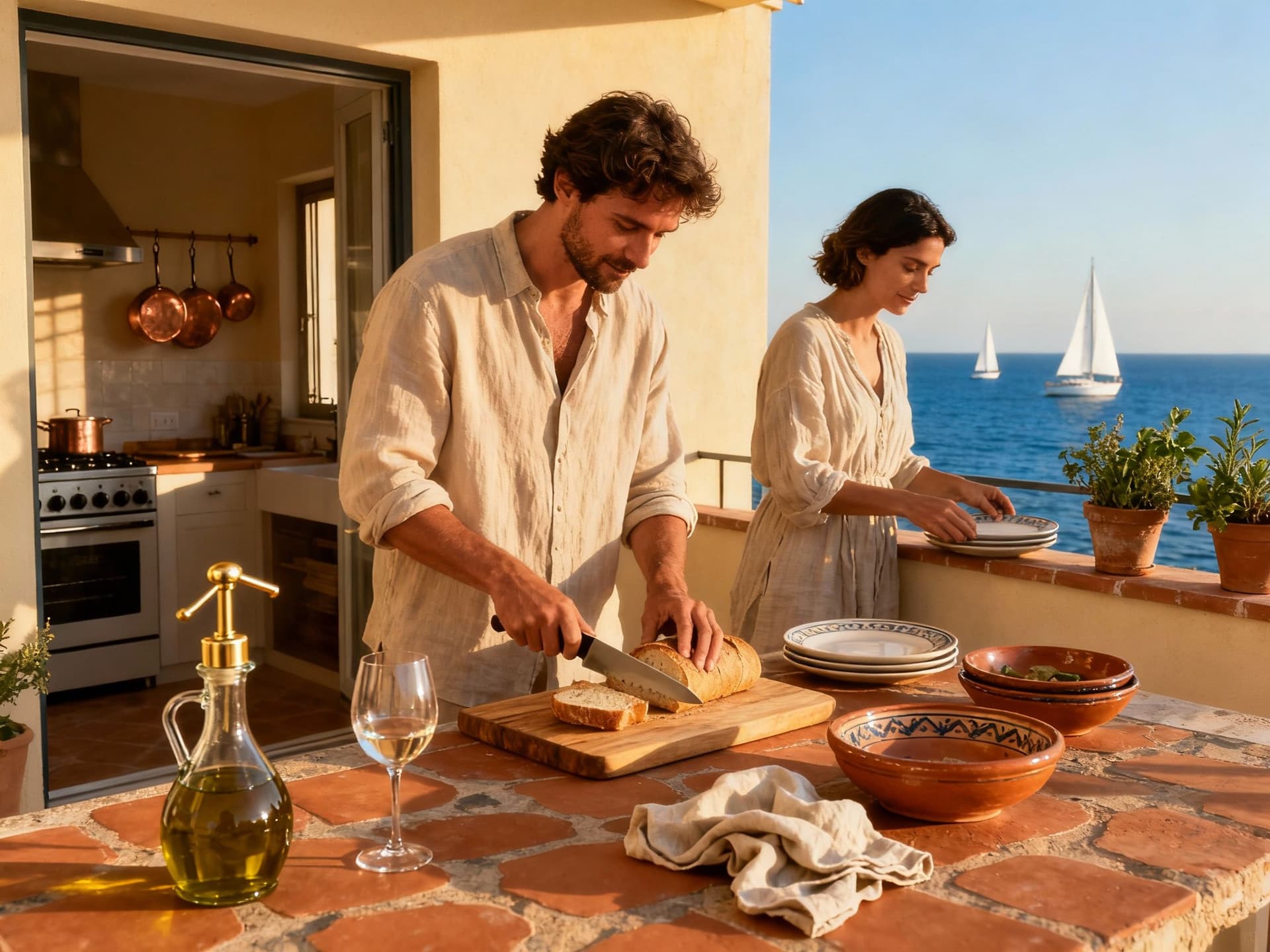
Your daydream of terrace dinners must be balanced with new rules that affect holding costs. In 2024–25 Croatia pushed reforms shifting tax emphasis onto property and tightening short-term rental rules to free up housing for residents. Municipalities now have scope to set flat-rate taxes per bed for tourist rentals, and a headline property tax regime affects certain second homes. Those moves aim to reduce short-stay inventory but directly change the cashflow math for buyers who rely on summer letting.
Property types and what they mean for life and tax
New-build apartments sold by developers are typically subject to 25% VAT rather than the 3% transfer tax applied to resales; that difference alters total purchase cost and should inform whether you target off-plan or existing stock. Stone village houses often come with renovation work that affects both renovation permits and municipal classifications — and sometimes eligibility for tax exemptions. Understand the fiscal profile of the property type you want: tax treatment, potential deductions and how local rules treat tourist versus long-term rentals.
Working with local experts who know the lifestyle and laws
A good local agent is more than a list of properties: they translate neighbourhood rhythms, connect you with trusted notaries and municipal officials, and explain subtle local practices such as permit timelines and utility hook-ups. Lawyers versed in Croatian property law can spot title encumbrances in the zemljišna knjiga (land register) and advise on reciprocity rules for non‑EU buyers. For lifestyle buyers, a planner or architect who understands coastal restoration and local building controls is also essential; they help preserve the character that made you fall for the place in the first place.
- Practical next steps before you sign: ask for a local breakdown
- Title search in the land register (zemljišna knjiga) and confirmation there are no disputes or liens.
- Confirm whether the property is subject to VAT (new build) or 3% transfer tax (resale) and model total purchase costs accordingly.
- Ask the municipality about the new property/bed levies and whether short‑term rental classifications apply where the property sits.
Insider knowledge: the expat trade‑offs and red flags
Expats often report the same surprise: summer is intoxicating, but day‑to‑day life is decided in the off‑season. Town centres can be quiet from October through April, and service availability (repairs, construction) slows outside the building season. New rules clamp down on short-term letting to protect local housing, which benefits year-round residents but can reduce peak-season returns for investors. The smartest buyers plan for two lives: the high-season rental economy and the off-season residential reality, and they choose a property type that performs in both scenarios.
Cultural notes that shape ownership
Croatians value local networks and municipal procedures can feel personal; a friendly relationship with the local katastral office or town clerk often speeds practical matters. Language matters but is not a barrier — many service providers speak English in tourist areas, while local connections help with renovation trades and seasonal maintenance. Expect slower bureaucracy on island municipalities and patchy digital services in smaller towns; these are practical frictions that affect timelines and carrying costs.
Red flags and how to spot them early
- If a property’s paperwork lacks a clear usage permit (uporabna dozvola), treat it as high risk; regularisation can be costly and lengthy.
- Watch for sellers who promise steady short‑term rental income without disclosing local bed levies or seasonal occupancy caps.
- Be cautious with properties on agricultural land or with unclear road access — these often carry hidden legal restrictions and utility complications.
A few numbers to orient decisions: resale transactions generally incur a 3% transfer tax, while developer new builds usually price in 25% VAT. Municipal flat-rate taxes for tourist beds can range widely depending on the classification of the area and may add a meaningful recurring cost if you plan to host guests. For context, Croatia’s tourism recovery remains strong — 2025 arrivals and overnight stays set new records — which sustains demand but also motivates tighter regulation to protect housing supply. Use these data points to model different use-cases and run conservative yield scenarios.
- Quick checklist before signing
- Confirm tax treatment (VAT vs transfer tax), estimate annual municipal bed/property levies, and model off‑season occupancy.
- Secure a local notary and property lawyer to verify zemljišna knjiga records and usage permits.
- Plan for practical seasonality: storage, winter maintenance, and local property management that knows off‑season realities.
Conclusion: Croatia offers a rare coastal lifestyle where daily life centers on markets, sea and neighbourhood rituals. Yet recent policy changes around property taxation and short‑term letting demand a new realism. If you love summer terraces, buy with autumn in mind: choose property types and advisors that protect your lifestyle and cashflow across seasons. Work with local experts who translate municipal rules into lived reality, run conservative financial scenarios and visit outside high season before committing. When you pair that lifestyle-first thinking with careful, data‑driven due diligence, Croatia can be both a place to fall in love with and a resilient component of your property plan.
Danish relocation specialist who has lived in Barcelona since 2016. Helps families move abroad with onboarding, schooling, and local services.